Dewy Cream Blush: A Fresh, Radiant Flush Guide
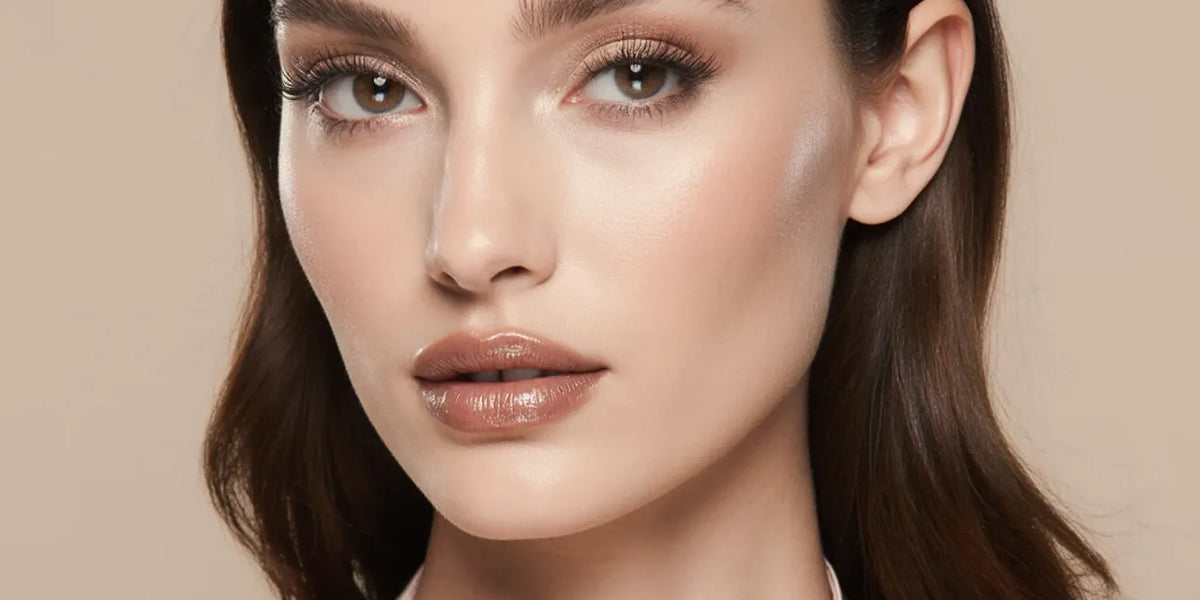
Pink blush is the product I reach for when my face looks polished but somehow still tired. Tapped onto the cheeks, the right cream formula brings back the soft flush that makes the rest of makeup feel intentional, not painted on. The trick is restraint: I want a veil of color with enough slip to blend, but only a quiet sheen where light naturally catches the skin.
Book a Virtual Beauty Consultation for personalized shade guidance.
A dewy cream blush looks fresh when its radiance melts into hydrated-looking skin rather than sitting on top as a wet layer. Start with a small amount, keep the edges diffused, and build pink pigment gradually until the finish reads like a natural flush.
That balance depends on more than choosing the word "dewy" on a label. Texture, pigment, placement, and the way your skin is prepared all change the result, especially in office light or near a window. First, let us look at the difference between a soft sheen and unwanted grease.
What makes a dewy cream blush look fresh instead of greasy?
I know a fresh cheek when I see one: the skin catches light as you turn your face. But it does not look as though a layer of oil is sitting on top. That distinction is the whole appeal of a dewy cream blush. The best formulas make the complexion look softly alive, with color that seems to belong to the skin rather than a glossy film painted over it.
Start with the texture. A fresh cream blush should feel smooth and workable, with enough slip to blend but not so much that it moves around after application. When you tap it onto the cheek, the color should soften at the edges instead of separating into a slick patch. I prefer a formula that melts in with a fingertip or brush and leaves the surface supple, not tacky. If hair catches on the cheek or the product gathers in one shiny spot, you have crossed from dewy into greasy.
Look for color beneath the sheen
Pigment matters just as much as glow. A sheer wash of pink gives the face a believable flush, while a strongly pigmented formula needs a very small starting amount. Build in thin layers rather than pressing a large quantity into the skin. This keeps the finish transparent and lets you control whether the result reads as a subtle daytime flush or a more vivid evening cheek.
The placement also changes the way light behaves. Color concentrated on the apples of the cheeks can look fresh and lively. Blending the outer edge until there is no visible boundary prevents the shine from appearing like a separate stripe. Keep the center softly radiant, then allow the surrounding skin to remain more natural. That contrast makes the glow look intentional.
How to read the finish in real life
Check the blush near a window, under office lighting, and in a bathroom mirror. A good dewy finish should show a quiet luminosity in each setting, without obvious glitter or a wet-looking surface. Some formulas can appear luminous or slightly iridescent depending on the light, so move your face rather than judging from one fixed angle. Nude Envie describes its cream blush finish as natural and radiant in varied lighting, which is the standard I want from a polished everyday cheek.
Finally, let the rest of the complexion guide you. If your moisturizer or base is already very glossy, use less blush and tap away excess with a clean sponge. If the skin looks flat, a buildable pink layer can restore dimension without adding heavy makeup. Freshness comes from balance: comfortable texture, controlled pigment, and a sheen that follows the shape of the cheek instead of announcing itself.
How to choose a pink dewy cream blush for your complexion
Pink is the direction I reach for when a complexion needs to look awake, not obviously made up. The trick is not finding a universal "best" pink. It is choosing the depth and intensity that lets your natural coloring still show through. Then adjusting placement and layers until the flush looks at home on your face.
Start with depth, then consider undertone
On fair complexions, a pale or softly tinted pink usually keeps the result airy. Medium complexions can often carry a more noticeable pink without the color taking over. While deeper complexions may prefer a pink with enough saturation to remain visible after blending. These are starting points, not rules. Check the shade in daylight and tap a little onto the cheek rather than judging only from a pan or screen.
Undertone helps refine the choice. If your skin reads cool, pinks that harmonize with that coolness can look especially crisp. If your skin reads warm, a pink with more warmth may feel integrated rather than stark. Neutral complexions have room to move in either direction. When in doubt, place a small amount on one cheek, soften the edges, and compare it with the bare side. The right shade should give the face a rested, lively impression without creating a separate patch of color.
Why a cream formula makes the decision more forgiving
A dewy cream blush can be easier to fine-tune than a dense powder because you can begin with a sheer veil and build gradually. I prefer to pick up less product than I think I need, press it onto the apples of the cheeks. And add another thin layer only where the color has faded into the complexion. This keeps pink looking like a flush rather than a stripe. If the first touch is too intense, a clean fingertip, sponge, or soft brush can diffuse it before you add anything else.
Nude Envie highlights shades Romance and Greatness as key pink options. You can compare the broader range in the cool-toned cheeks collection when that color direction suits your makeup. Rather than assigning either shade an undertone the available guidance does not establish. Compare them on your own skin in natural light and choose the intensity that best suits your usual makeup. You can also explore the Romance shade directly.
The formula is described as long-lasting and containing hyaluronic acid, and it is vegan, cruelty-free, paraben-free, and silicone-free. Those details matter if clean formulation is part of your routine. But the most useful test remains visual: a pink shade should soften into the skin, keep its freshness, and leave you reaching for it again.
The skin prep that makes cream blush sit beautifully
I can usually tell within the first tap whether a blush will wear gracefully: the skin underneath feels comfortable, not slick, tight, or overloaded. A dewy cream blush looks most polished when it can melt into a thin, even base rather than compete with several wet layers. This four-step routine takes only a few minutes and gives pink pigment a smoother surface to meet.
-
Cleanse without leaving the skin taut
Start with a gentle cleanse, using lukewarm water and a light touch. The aim is to remove overnight oil, yesterday's makeup, and surface residue without creating that tight, squeaky feeling. Skin that feels stripped often makes makeup seem less comfortable, while a clean, calm surface gives your moisturizer and complexion products a more predictable finish. The Mayo Clinic also recommends gentle cleansing and regular moisturizing as part of keeping skin looking its best: Mayo Clinic skin-care guidance.
-
Moisturize where you need comfort
Press in a moisturizer suited to your skin, concentrating on areas that tend to feel dry around the cheeks. You are not trying to create a glossy film. You want enough slip for the cream blush to diffuse easily, with no rough patches catching the pigment. If your forehead or nose becomes shiny quickly, use a lighter layer there and keep the richer application toward the cheek area where the blush will sit.
-
Let each layer settle
Give moisturizer a few minutes to settle before applying primer, complexion makeup, or blush. This small pause matters. When you stack products while the previous layer is still moving, the base can roll or become slippery, and your dewy cream blush may lift what is underneath. While you wait, smooth your brows or choose your shade instead of adding more skincare by instinct.
-
Keep the makeup base thin
Apply complexion makeup sparingly over the cheeks, then begin with a tiny amount of blush. A thin base lets the natural skin texture remain visible and makes it easier to build color gradually. Tap the blush on rather than dragging it across the surface. If the finish looks drier than you expected, add another pinpoint layer of moisturizer before makeup next time, not a thick coat immediately before application. The goal is a fresh, dewy cream blush finish that looks integrated in daylight, not wet or heavy.
Where should you apply dewy cream blush?
I start at the apples of the cheeks, because that is where a real flush naturally gathers. Smile lightly, tap a very small amount onto the fullest point, then look at your face relaxed. That second glance matters. The goal is color that seems to belong to your complexion, not two precise circles sitting on top of it.
From the apples, soften the blush outward and slightly upward. Keep the center of color close to the front of the cheek, while the edges become almost imperceptible as they approach the hairline. This gives a fresh, rounded effect without making the face look painted. If your features naturally draw the eye downward, taking the outer edge a little higher can create a more lifted impression. If you prefer a fuller, softly flushed look, keep more of the pigment toward the apples.
Try a higher placement for a lifted finish
For a more sculpted result, place the next touch just above the apples, on the upper cheek and near, but not directly against, the under-eye area. Diffuse it toward the temples with light tapping motions. Higher placement can visually lift the cheek, but it is not a rule every face needs to follow. Face structure, cheek volume, and personal taste should decide the final position. On some complexions, a low, centered flush looks more natural. On others, a higher veil of pink feels polished and awake.
Work in tiny amounts, especially when the pigment is strong. A dewy cream blush is much easier to build than to rescue after too much color has landed in one spot. Pick up a pin-sized amount with your fingertip, then tap it between two fingers before touching the cheek. That removes the hard first deposit and lets the color arrive gradually. Add a second veil only where you want more intensity, rather than spreading a large quantity over the whole cheek.
Keep the edges soft, never striped
Dragging is the quickest way to turn a fresh cream finish into a stripe. Use pressing and stippling motions instead of swiping. Fingers give the most direct control, while a damp beauty sponge can soften a patch that feels too concentrated. A small stippling brush is useful for feathering the perimeter without disturbing the base underneath.
For a complete visual walkthrough, see Nude Envie's cream blush application guide. If you are still refining your color choice, the blush color guide offers another useful comparison point. It is worth checking your placement in natural window light before adding more. Dewy formulas can look quieter indoors and more luminous outside, so give the color a moment to settle before deciding whether the cheek needs another tap.
Which tool gives the most natural flush?
When I want a dewy cream blush to look like it belongs to my skin, I usually start with my fingers. The warmth of your fingertips helps press a small amount into the cheek rather than leaving a visible layer on top. That said, fingers are not automatically the best choice for every finish. A damp sponge can make strong pigment look softer, while a stippling brush gives the most control when you want to place color precisely and blur the edges.
The formula matters as much as the tool. Begin with a tiny amount, especially when the blush is richly pigmented, and build only after the first layer has settled. The goal is a fresh flush with softly diffused borders, not a distinct patch of shine.
| Tool. | Control. | Coverage and finish. | Best for. |
|---|---|---|---|
| Fingers. | Moderate. | Sheer to buildable, warm and skin-like. | A quick, natural flush with minimal fuss. |
| Damp beauty sponge. | Gentle. | Soft, diffused, and less intense. | Strong pigment or a finish that needs feathering. |
| Stippling brush. | Highest. | Even, polished, and easy to layer. | Precise placement, textured areas, or a refined edge. |
My practical pick
For a first layer, tap the blush onto the apples of the cheeks with two fingertips, then pat outward until the color fades into the surrounding skin. This keeps the center fresh without dragging the base underneath. If the edges look too concentrated, use a damp sponge to bounce over them. Do not swipe; bouncing lifts and redistributes excess product without creating a hard line.
I reach for a stippling brush when I am wearing a more polished base or working with a particularly vivid pink. Light, short tapping motions let me decide exactly how far the color travels. A brush also makes it easier to soften the outer edge while leaving the center of the cheek luminous. For most people, the most natural result is not about buying a special tool. It is using the lightest pressure, the smallest amount, and the tool that gives you enough control to stop before the blush becomes the whole look.
How to layer cream blush and read the finish in different light
I rarely need more than a pinhead-sized amount of a dewy cream blush on each cheek to start. Tap it onto the apples, then press and soften the edges before deciding whether it needs another layer. This keeps the color fresh and gives you control over the sheen. Particularly with a pink shade that can look quiet in the pot and much livelier once warmed on the skin.
Build color without disturbing the base
Use a tapping motion rather than sweeping back and forth. The first layer should tint the cheek and melt into the complexion. Wait a moment, look straight ahead, and add a second small amount only where you want more presence. Layering is what makes cream blush buildable, not applying one generous stripe and trying to rescue it afterward.
If the color has gone too intense, do not immediately add foundation over it. Press a clean, damp sponge over the center of the cheek to lift excess pigment, or use a clean brush to diffuse the perimeter toward the temples. If the blush is slipping, pause and check the layers underneath. Heavy skincare or an overly rich base can leave too much movement. Blot gently, then reapply a smaller amount. If you finish with powder elsewhere, keep it light around the blush. Powder can mute the radiance, and placing it directly over a creamy area may change the texture.
Nude Envie positions its cream blush for a natural, radiant effect in varied lighting. With an approved long-lasting formula that contains hyaluronic acid and is vegan, cruelty-free, paraben-free, and silicone-free. You can browse Nude Envie's best sellers when you want to compare the available pink direction without turning your routine into guesswork.
Check the cheek before you leave the mirror
Window light is the most honest first check. A natural radiant finish should show a soft, even sheen without looking wet or sitting visibly on top of the skin. Office lighting is flatter and cooler, so a blush that looks subtle by a window may appear more defined at your desk. Look for balanced color, not simply more glow.
Flash and phone-camera light reveal excess shine quickly. Take a test photo from a normal distance, then soften only the brightest spot if it reads reflective. In evening light, warmth and lower illumination usually make pink cream blush look richer. That is where a restrained second layer can make sense, but keep the outer edge diffused. The goal is a cheek that still looks like skin when the lighting changes, not a finish that depends on one flattering room.
Book a Virtual Beauty Consultation to find your most natural pink flush.
Frequently Asked Questions
What makes a blush dewy?
A dewy blush leaves a soft sheen that makes the cheeks look fresh and naturally radiant, rather than flat or heavily powdered. Cream textures tend to melt into the skin, so the finish reads more like a healthy glow than a visible layer of color. The best result is luminous, not wet or greasy. Check it in daylight before adding more.
How do you apply cream blush?
Start with hydrated skin and use a very small amount. Tap it onto the apples of your cheeks, then blend outward with your fingers, a damp beauty sponge, or a stippling brush. Build in thin layers until the color is right for you. If the pigment looks too strong, soften the edges with a clean brush or sponge instead of dragging the product across the face.
Is cream blush good for dry or mature-looking skin?
It can be a lovely choice when you prefer a radiant finish that does not look heavy. Prep with gentle cleansing and moisturizer, let the layers settle, and avoid applying too much product over areas with visible texture. A cream formula containing hyaluronic acid may support a more hydrated-looking finish, but it is still makeup, not a treatment. Nude Envie cream blushes are also vegan, cruelty-free, paraben-free, and silicone-free.
How do you choose a pink cream blush?
Pink is a reliable starting direction for a fresh flush. Choose the softer intensity when you want a quiet daytime cheek, and build a brighter pink gradually for evening or more presence. Nude Envie highlights Romance and Greatness as pink cream blush shades. So compare them in natural light and consider which level of color feels most like your own flush.
How can you make dewy cream blush last?
Use thin skincare and makeup layers, allow your base to settle, and press the blush into the skin rather than sweeping it away. Start with less than you think you need, then add another layer only where the color has faded. Keep the finish intentional: too much product can move more easily, while a small, well-blended amount stays comfortable and natural-looking.
Before you finish, keep the amount small and let your pink flush look like skin. The right dewy cream blush should feel effortless, comfortable, and easy to wear from one room to the next.