Harmful Ingredients in Lipstick: A Calm Guide
The first time I saw my office makeup under a video-call preview. I noticed what the mirror had missed: my skin looked even, but my brows and lips had quietly disappeared. The answer was not more makeup. It was better balance, with a fresh base, soft contrast, and enough definition to hold its shape in changing light.
Explore Nude Envie lipsticks to find a clean, polished shade for your everyday look.
When evaluating harmful ingredients in lipstick, start with the full label and the product's intended use. A worrying mention is not proof that every product is unsafe.
That balance begins before color. Prep, finish, and coverage determine whether makeup settles gracefully at your desk or catches the light on screen, so start with the complexion and build outward from there.
What Makes an Ingredient Worth Questioning?
You are standing at the vanity, one lipstick uncapped and another open in your browser. The shades look nearly identical, but the ingredient lists tell a different story: one includes fragrance. Another highlights a preservative you do not recognize, and a viral post has just warned you about an ingredient you have used for years. This is where thoughtful shopping matters more than a frightening list of forbidden words.
An ingredient can be worth questioning without being proven dangerous. It can also be personally irritating without being broadly unsafe. Those are different conclusions, and keeping them separate makes it easier to choose a lipstick with confidence.
Questioned is not the same as unsafe
"Questioned" usually means shoppers, researchers, or regulators have identified a reason to look more closely. The reason might be potential contamination, a sensitivity concern, environmental preference, or a desire to avoid a particular ingredient family. That is a prompt to investigate the formula and the quality of the evidence, not an automatic verdict.
"Personally irritating" is more individual. Fragrance, flavor, certain preservatives, or a specific pigment may not suit your lips, even when the product is made and labeled for cosmetic use. If a lipstick repeatedly causes burning, redness, itching, or discomfort, stop using it. Your own response is useful information, but it is not proof that the ingredient affects everyone in the same way.
Restricted and proven unsafe are precise terms
A restricted ingredient is subject to limits, conditions, or rules set by a regulator. Those limits may account for concentration, purity, product type, or customary exposure. For example, the U.S. Food and Drug Administration explains that cosmetics should be safe when used according to label directions or customary use. And it maintains specific guidance on limiting lead in lipstick and other cosmetics. The FDA's cosmetics guidance is a better starting point than a screenshot with no source.
"Proven unsafe" is a much stronger claim. It requires reliable evidence showing that a substance creates a meaningful risk in a specific use and exposure context. For a calm label check, ask:
- Is the concern about the ingredient itself, an impurity, or my personal sensitivity?
- Is there a regulatory limit or an evidence-based reason for concern?
- Can I verify the claim through the brand, a regulator, or a credible scientific source?
That small pause turns ingredient research into informed buying rather than fear-driven shopping.
Which Harmful Ingredients in Lipstick Should Shoppers Question?
When people search for harmful ingredients in lipstick, they are often trying to make sense of a long label, not asking for a chemistry lecture. The useful approach is to separate a flagged ingredient from a proven risk. Some shoppers avoid certain categories for personal, environmental, or allergy-related reasons; that does not mean every product containing one is universally unsafe.
Lead deserves a slightly different conversation. It is not an intentional lipstick ingredient, but it can occur as an impurity in some color additives. The FDA's guidance on limiting lead in lipstick and other cosmetics addresses those trace impurities and recommends limits. That is a regulatory issue to evaluate, rather than a reason to assume that every vivid shade is dangerous.
| Ingredient/category | Why shoppers flag it | What a careful reader should do |
|---|---|---|
| Lead or heavy-metal impurities | Lead is associated with contamination concerns. It may be discussed alongside color pigments. | Look for brand transparency and regulatory compliance. Remember that lead may be an impurity, not an intentionally added ingredient. |
| Parabens | Some shoppers prefer to avoid this preservative category because of ongoing public debate about cosmetic ingredients. | Scan the full ingredient list for specific preservative names. Treat "paraben-free" as a preference or formula choice, not proof that every other formula is harmful. |
| Fragrance or parfum | Fragrance blends can be difficult to evaluate from the label and may matter to people with personal sensitivities. | Choose fragrance-free options if you know you react to fragrance, and contact the brand when the blend is not explained clearly. |
| Petroleum-derived bases | "Petroleum-derived" can sound alarming, especially to shoppers seeking plant-forward or minimalist formulas. | Check the exact INCI name and the brand's sourcing information. Do not treat the broad category alone as evidence of harm. |
| PFAS or intentionally added fluorinated compounds | Shoppers may question these persistent chemical categories because of environmental and ingredient-transparency concerns. | Look for a complete ingredient list and a direct brand statement. Avoid relying on a viral list that does not identify a specific compound. |
The label-reading habit matters more than memorizing a frightening blacklist. A careful shopper checks the exact name, considers personal sensitivities, and asks whether the brand explains its formula. That gives you a more reliable basis for choosing a lipstick than a sweeping claim that one ingredient makes every product unacceptable.
Does a Concerning Ingredient Automatically Mean a Lipstick Is Unsafe?
Ingredient conversations often flatten two different questions into one: could this substance be a hazard in some circumstance. And does this lipstick create a meaningful risk when used as intended? Those are not the same thing. Seeing an ingredient mentioned in a viral post, a clean-beauty list. Or a laboratory headline is a reason to look closer, not proof that every product containing it is unsafe for every person.
The useful distinction is between hazard and exposure. A substance may have properties worth studying, while the actual level, route, frequency, and duration of exposure determine what happens in real use. With lipstick, that context can include how much is applied, how often it is reapplied. Whether the product is intended for the lips, and whether a person has a known sensitivity. Ingredient concerns can also involve impurities, meaning unwanted trace materials introduced during manufacturing, rather than an ingredient deliberately added for its cosmetic function.
Safety depends on use and formulation
The US Food and Drug Administration says cosmetics should be safe when used according to labeled directions or customary use. That standard matters because a label name alone does not describe the complete risk profile of a finished formula. Concentration, purity, the way ingredients are combined, and the expected pattern of use all contribute to the assessment. The FDA also notes that most cosmetics and cosmetic ingredients do not require premarket approval, while color additives are handled differently and are subject to specific requirements. Its guidance on cosmetic safety and lead explains this regulatory framework, including controls for certain color additive impurities.
That does not mean shoppers should dismiss questions about harmful ingredients in lipstick. It means the strongest question is more precise: what is the ingredient, why is it there. How is the finished product regulated, and does it matter for my own skin or lips? A preservative may help prevent microbial growth. A pigment may provide the shade you want. A fragrance component may be irrelevant to one wearer and a personal trigger for another. The same label deserves different decisions depending on the formula and the individual.
Personal sensitivity is its own consideration
Regulatory safety and personal comfort are related, but they are not identical. Someone can choose to avoid fragrance, parabens, or a particular pigment because of a personal preference or previous reaction without claiming that the ingredient is universally dangerous. If a product causes burning, swelling, itching, or persistent irritation, stop using it and seek appropriate medical advice. Reading an ingredient list can help you identify patterns and ask better questions, but it cannot diagnose an allergy or replace professional guidance.
How to Read a Lipstick Ingredient List Without Panic
A lipstick label can look like a chemistry exam. Especially when a viral post has already convinced you that every unfamiliar word belongs on a list of harmful ingredients in lipstick. A calmer approach is more useful. Read the label as a map of the formula, then compare it with your own preferences and known sensitivities. Ingredient literacy can help you shop thoughtfully, but it is not a medical diagnosis.
- Start with the first few ingredients. Cosmetic ingredients are generally listed in descending order of predominance, so the opening names give you a useful sense of the formula's foundation. You may see emollients, waxes, oils, or other texture-building ingredients near the top. This can tell you more about whether a lipstick is likely to feel creamy, firm, lightweight, or rich than a dramatic list of isolated ingredients can. It will not predict exactly how the product wears on your lips, but it gives you a practical first impression.
- Recognize fragrance and parfum. "Fragrance" or "parfum" may represent a scent blend rather than one single ingredient. If fragranced products tend to make your lips feel uncomfortable, this is a label detail worth checking every time. If you have never reacted to fragrance, its presence alone does not prove that a lipstick is unsafe for you. Your personal response is more relevant than a universal verdict from a short social-media video.
- Look at preservatives in context. Preservatives help protect water-containing or otherwise vulnerable formulas from unwanted microbial growth. Seeing a preservative name is not, by itself, evidence of a harmful formula. Instead, treat it as a prompt to read the full ingredient list, follow the product's use instructions, and notice how your skin responds. A product that causes persistent irritation should be set aside, regardless of whether the ingredient has a reassuring or intimidating reputation online.
- Do not mistake color additive names for hidden ingredients. Lipsticks often use standardized color names or codes, including terms beginning with "CI" or ending in a number. These identify pigments and other colorants used to create the shade. Color additives are treated differently from many other cosmetic ingredients, and approved additives can have impurity limits. You do not need to decode every pigment at the shelf to make a sensible purchase. Focus on whether the brand provides a complete list and whether the shade suits your needs.
- Check for full disclosure, then separate facts from fear. A trustworthy label should give you the complete ingredient list rather than relying only on claims such as "clean" or "natural." If a brand makes a formula claim that matters to you. Look for specific support. For example, Nude Envie documents its lipstick formulas as paraben-free, vegan, and cruelty-free. You can browse the Nude Envie lipstick collection and review the product details before choosing a shade. If you have a known allergy or recurring reaction. Ask the brand for clarification and follow advice from a qualified healthcare professional rather than treating a viral ingredient list as personal medical guidance.
A Clean Formula Lens: What Is in Nude Envie Lipsticks?
Ingredient-conscious shopping does not have to turn a lipstick purchase into a forensic investigation. A useful formula lens asks two practical questions: what is documented in the product, and does that ingredient profile fit your own preferences? That is more helpful than treating the phrase "clean" as a universal safety guarantee.
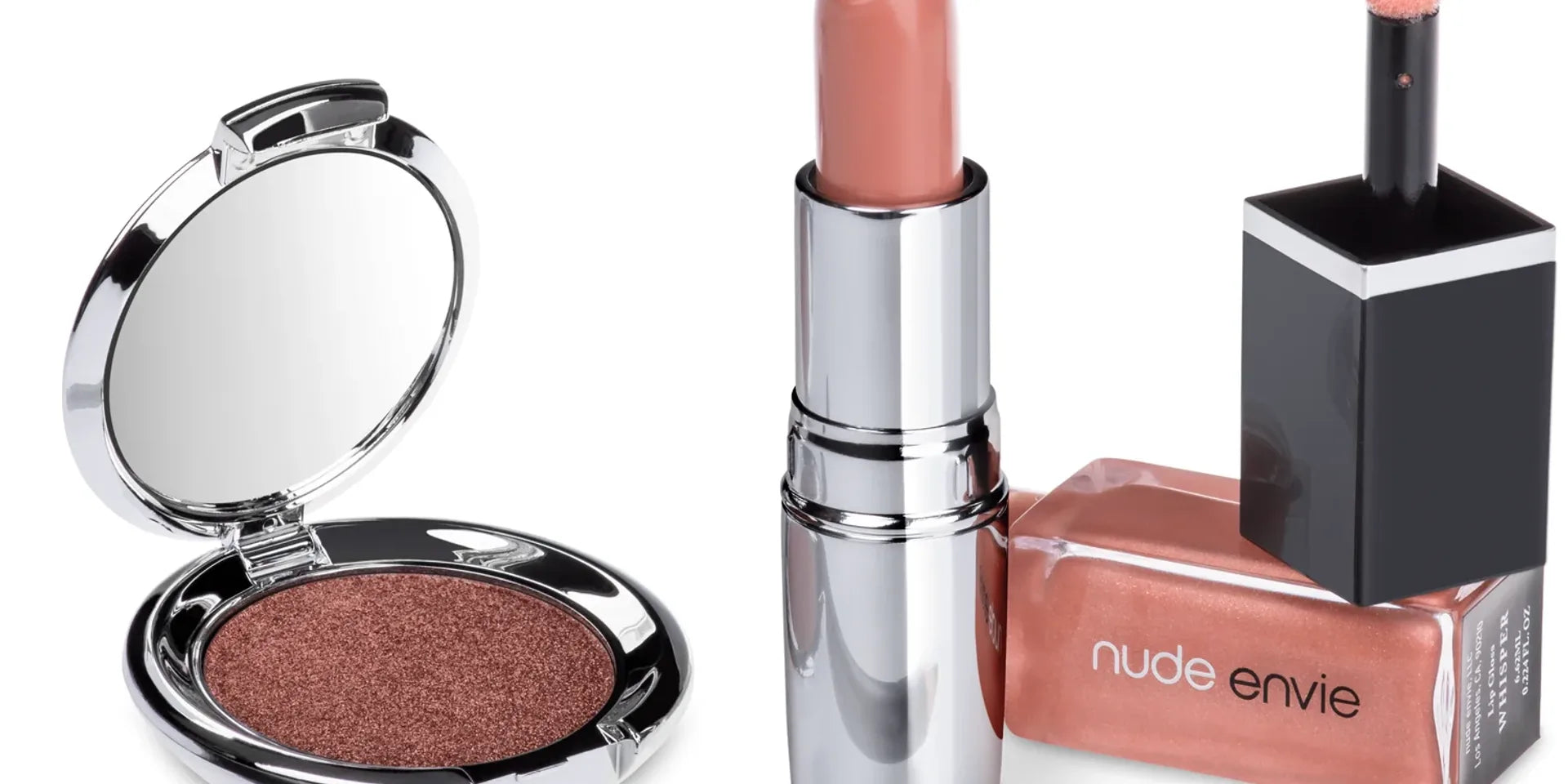
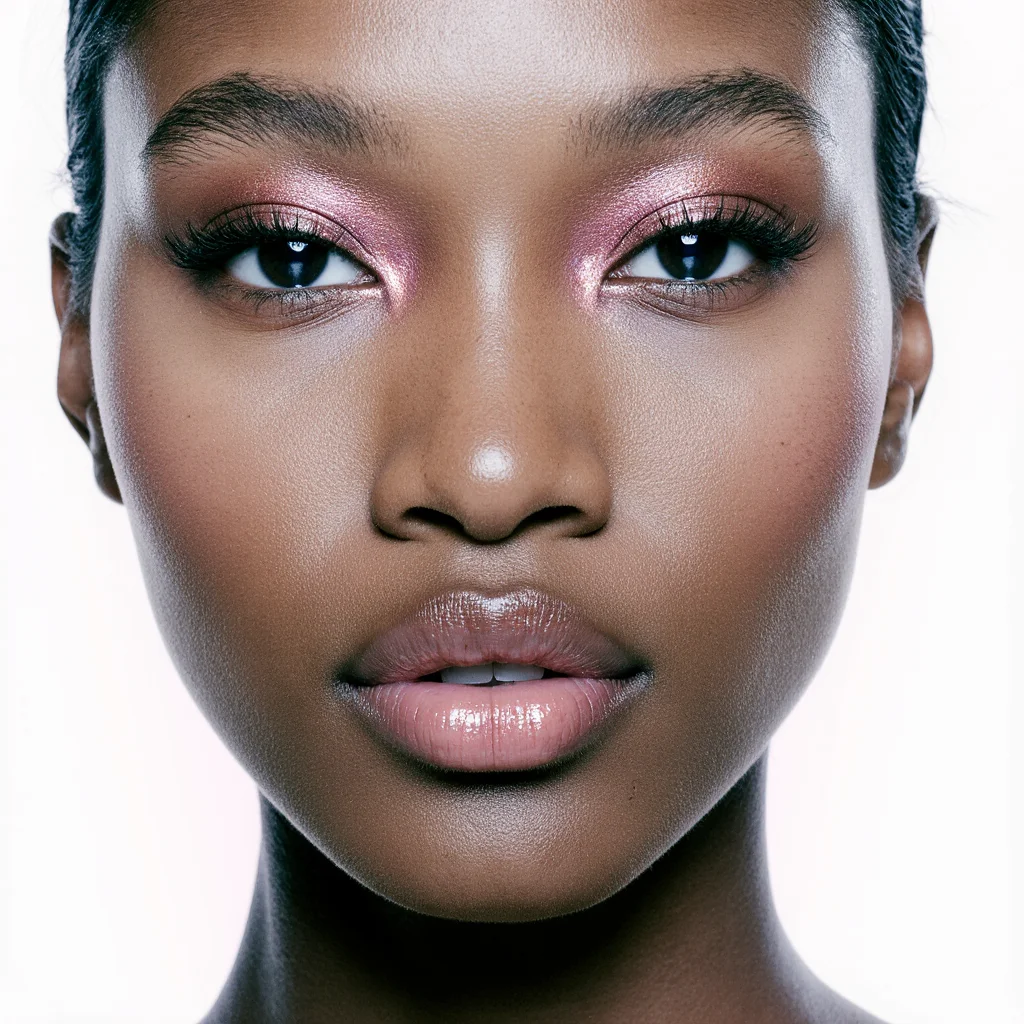
Nude Envie lipsticks are documented as paraben-free, vegan, and cruelty-free. The formula also includes jojoba oil, shea butter, and vitamin E, ingredients selected for a comfortable, conditioned feel rather than a dry, heavy layer. On the lips, the intended result is a lightweight texture with full color coverage and a pearlescent satin finish. It is the kind of finish that catches light softly, instead of looking flat or overly glossy.
What the formula tells you, and what it does not
Those details give shoppers a clear starting point. If you specifically prefer paraben-free makeup, want vegan and cruelty-free standards, or dislike a waxy-feeling lipstick, the documented profile is relevant. Jojoba oil, shea butter, and vitamin E also help explain why the texture is designed to feel lightweight and wearable while still delivering full color.
They do not prove that every person will have the same experience. An ingredient can be acceptable for intended cosmetic use and still be personally unwanted or irritating for someone. If you have reacted to a particular ingredient before, compare the complete ingredient list for the exact shade, since shade-specific color additives and formulas can vary. When in doubt, ask the brand for clarification rather than relying on a viral list of supposedly "bad" ingredients.
For a closer look at the available shades and finishes, browse the Nude Envie lipstick collection. The clean-beauty lens is not about promising a risk-free product. It is about making the formula easier to understand, so you can choose with confidence and with your own preferences in view.
A Practical Pre-Purchase Checklist for Sensitive Shoppers
A thoughtful lipstick purchase starts before the shade lands in your cart. Use this quick checklist to separate your own preferences from internet alarm bells, then choose a formula you can feel confident evaluating on your terms.
- Read the complete ingredient list. Do not rely only on front-of-pack claims such as clean, natural, or sensitive. Look for the full list in the product description or ask the brand for it. Ingredient names can be unfamiliar, and INCI literacy is a shopping tool, not a medical diagnosis.
- Know your personal triggers. If you have reacted to a particular fragrance, preservative, pigment, or texture before, compare the current list with products you already know your skin tolerates. An ingredient that is acceptable for customary cosmetic use may still be an unwanted choice for you personally.
- Check what the brand actually discloses. Look for a complete ingredient list, clear product details, and direct answers to reasonable questions. Nude Envie documents its lipsticks as vegan, cruelty-free, and paraben-free, with jojoba oil, shea butter, and vitamin E. Those details help you assess whether the formula fits your preferences, but they are not a promise that every shopper will have the same experience.
- Question viral fear claims. A dramatic post that labels every unfamiliar ingredient as a harmful ingredient in lipstick is not the same as evidence. The FDA explains that cosmetics should be safe when used according to label directions or customary use. While also maintaining specific guidance for limiting lead in lipstick and other cosmetics. Read the source and consider the amount, intended use, and actual support for the claim.
- Patch test only in a way that makes sense for you. If you are personally reactive, follow advice from your healthcare professional about testing new products. Do not treat a casual test as proof of universal safety. Stop using the lipstick if you experience irritation, and seek professional guidance if symptoms persist or concern you.
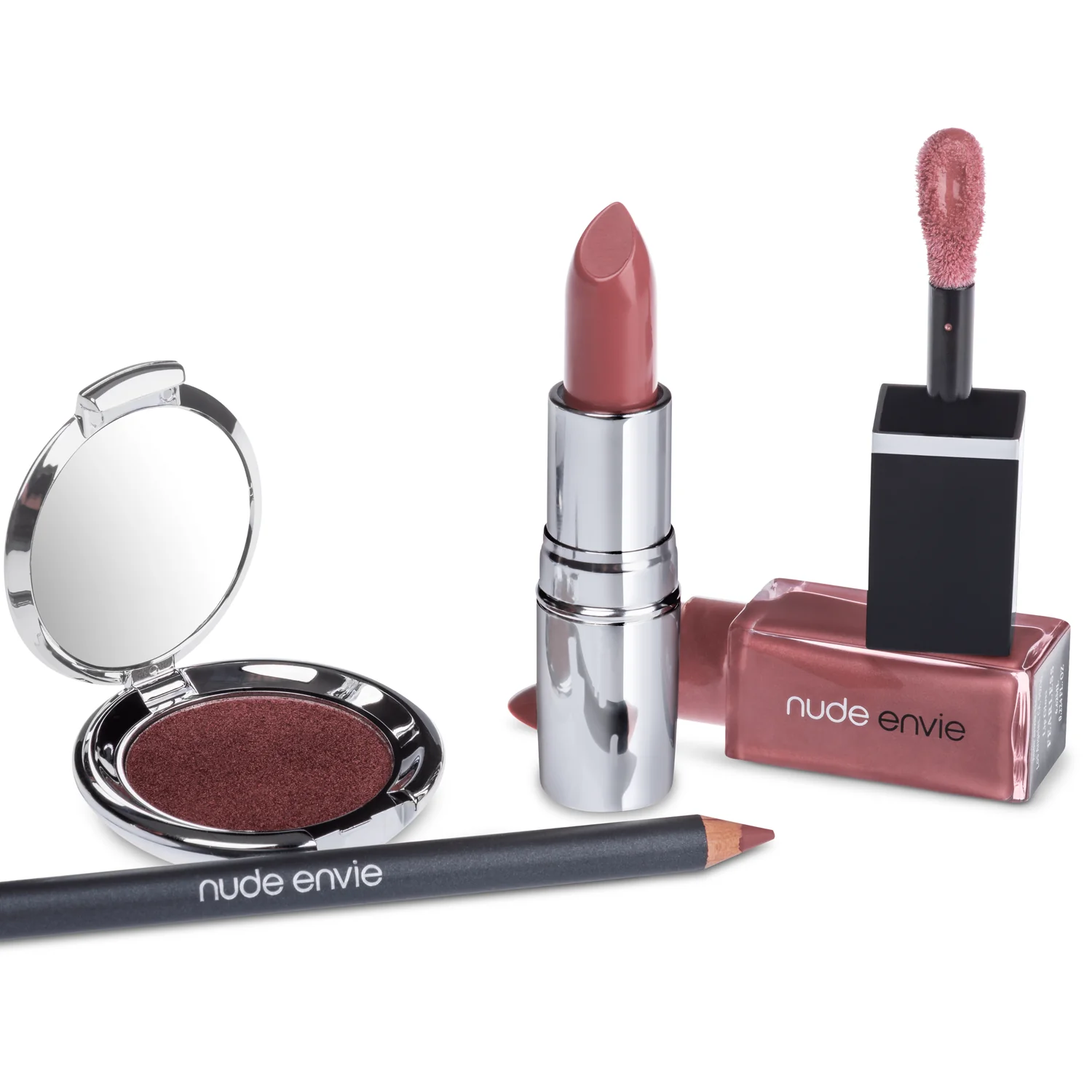
Once the label fits your needs, browse Nude Envie Best Sellers for a curated starting point, and keep the full product page open while you compare shades and formulas.
Explore Nude Envie Best Sellers for thoughtfully curated clean beauty
Frequently Asked Questions About Harmful Ingredients in Lipstick
What ingredients should you avoid in lipstick?
There is no universal blacklist that makes sense for every shopper. People commonly choose to question parabens, fragrance or parfum, petroleum-derived bases, PFAS, and possible heavy-metal impurities. The reason for concern differs by ingredient and by person. Read the complete ingredient list, look for reliable evidence, and consider your own known sensitivities rather than treating every unfamiliar term as proof of harm.
Are parabens in lipstick harmful?
Parabens are preservatives that some shoppers prefer to avoid. Their presence alone does not establish that a finished lipstick is unsafe for every person. If you want paraben-free makeup, check the current formula and choose a brand that clearly documents that preference. Nude Envie documents its lipsticks as paraben-free, vegan, and cruelty-free.
Does lipstick contain lead?
Lead is not an intentional lipstick ingredient, but it can occur as an impurity in some color additives. The FDA explains that approved cosmetic color additives typically have impurity limits and provides specific guidance on limiting lead in lipstick and other cosmetics. The practical takeaway is to rely on reputable brands, complete product information, and regulatory guidance, not a viral claim that every lipstick contains a dangerous amount.
How do you read a lipstick ingredient list?
Start with the first few ingredients to understand the formula base, then look for fragrance or parfum, preservatives, and standardized color additive names. Confirm that the full list is available and compare it with your own triggers. A label can guide better shopping questions, but it cannot diagnose an allergy or predict how every person will react.
Are clean lipsticks safer?
Clean is not one universal regulatory definition, so the phrase should be a starting point rather than a guarantee. Ask what the brand means by clean, whether it discloses the full formula, and whether the product fits your preferences and intended use. Nude Envie pairs a documented paraben-free, vegan, and cruelty-free lipstick profile with a lightweight pearlescent satin finish, jojoba oil, shea butter, and vitamin E.
Choose Your Lipstick With Confidence
Ingredient literacy should make beauty shopping feel more considered, not more intimidating. Start with the complete formula, keep your own sensitivities in view, and choose a brand that makes its product details easy to understand. If you want help balancing shade, finish, and formula preferences, Nude Envie offers personal guidance for its curated nude lip range.
Book a 1-on-1 virtual beauty consultation for a more personal place to begin.