Talc Free Makeup: A Complete Guide for Shoppers
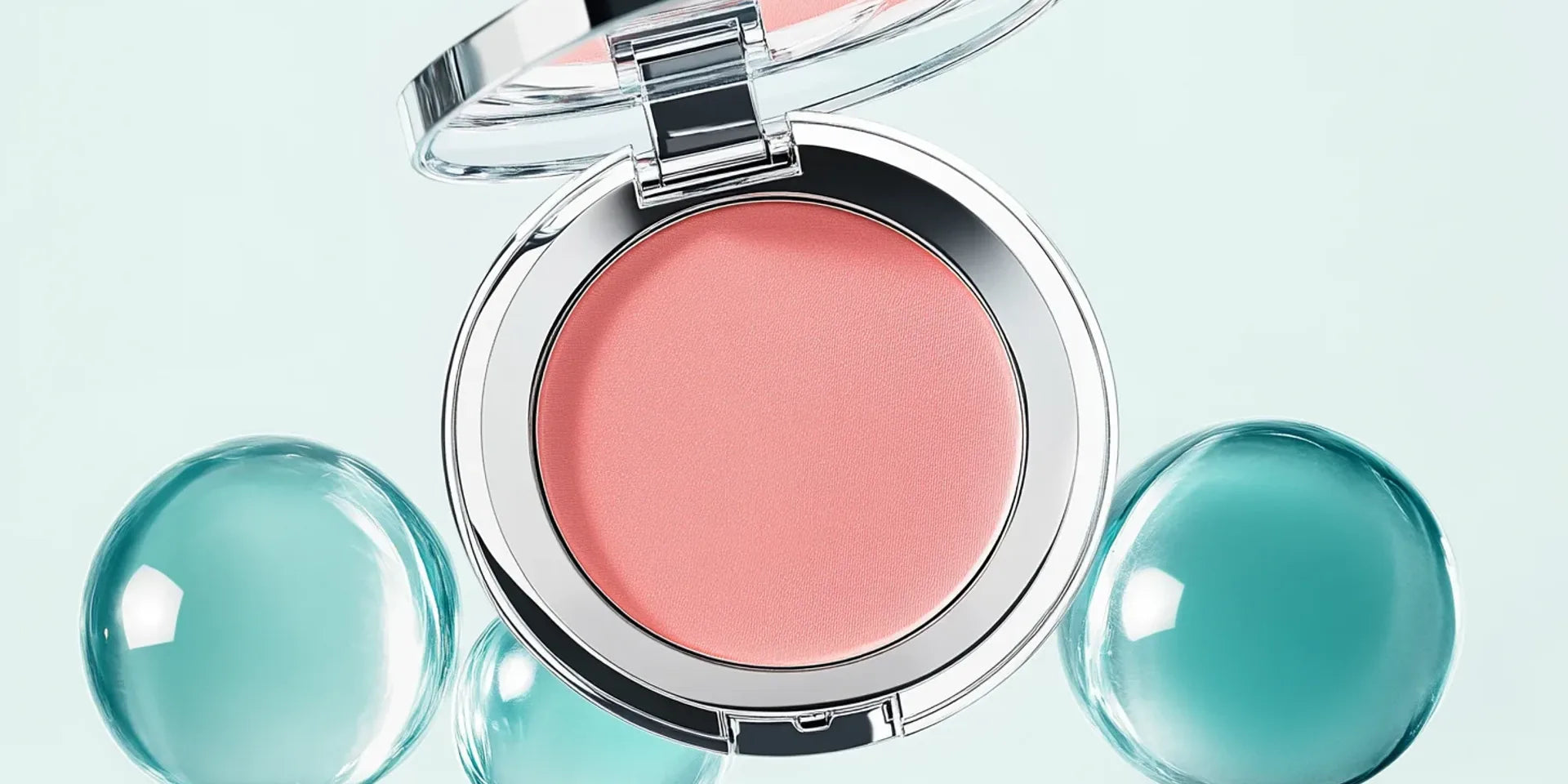
When I started checking ingredient labels on the powders I used every morning, I noticed how often talc appeared in otherwise carefully considered formulas. It was not an automatic reason to discard a product, but it did make me ask a better question: what gives a powder its soft glide. Even finish, and comfortable wear, and what else can do the job?
Talc free makeup replaces talc with alternatives such as mineral, clay, rice, or plant-based powders. Giving shoppers another way to pursue clean formulas without giving up smooth texture or a polished finish.
The most useful place to begin is not with a dramatic verdict, but with the ingredient itself. Once you understand why talc became so common in makeup, it becomes much easier to weigh labels, formula feel, and your own preferences with a clear eye.
Talc Free Makeup: What Is Talc and Why Is It Used in Makeup?
Talc is a naturally occurring mineral composed of magnesium, silicon, oxygen, and hydrogen. In cosmetic ingredient lists, it may also be described by its chemical name, hydrous magnesium silicate. It is an especially soft mineral, which makes it useful in products designed to glide across the skin rather than drag or feel gritty.
Its cosmetic appeal is practical. Talc can absorb moisture and oil, help pigments distribute evenly, and give pressed powders a silky, finely milled feel. It also helps reduce clumping, so a blush or eyeshadow can pick up cleanly on a brush instead of forming a hard patch in the pan. The result is the familiar soft-focus effect many people associate with classic powder makeup: a smooth application and a more subdued, matte finish.
That combination explains why talc became a staple in powder cosmetics over centuries of use. Historical accounts describe its use in beauty products dating back to ancient civilizations, including Egypt. In modern formulas, it has been valued for improving the texture and finish of products such as blush, eyeshadow, and foundation. The FDA describes talc's role in cosmetics as including moisture absorption and helping prevent caking. Which is why the ingredient can appear in both everyday complexion products and color cosmetics.
Which makeup products may contain talc?
Talc is most commonly associated with products that need a dry, blendable powder base, including:
- Eyeshadows, where it can help pigments spread smoothly and blend without skipping.
- Blushes and face powders, where oil absorption supports a soft matte finish.
- Pressed and loose setting powders, where it can help control shine and limit caking.
- Powder foundations, where it contributes to a lightweight feel and even coverage.
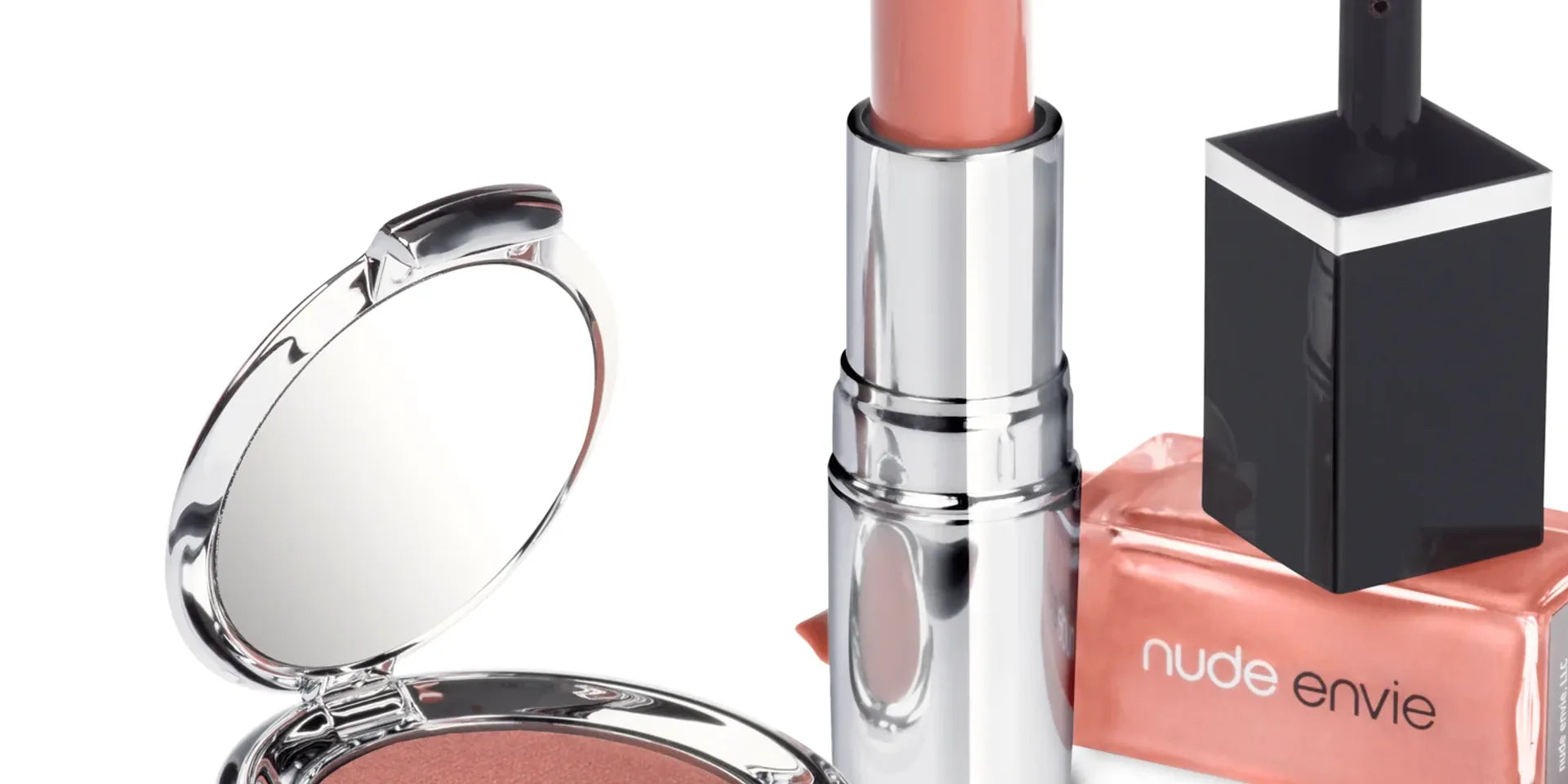
Whether a formula suits you depends on more than one ingredient. I pay attention to how a powder feels during application, whether the pigment builds evenly, and how the finish looks after several hours in natural light. Shoppers comparing formulas can browse Nude Envie's best-selling collection with those performance details in mind, while also checking each product's current ingredient list.
Choosing talc free makeup is a personal preference, not a reason to assume every talc-containing product performs poorly. The useful distinction is understanding what talc does in a formula, then deciding which ingredients and finishes best match your own priorities.
Why Some Shoppers Are Rethinking Talc
The concern around talc is less about the mineral itself than about what can occur during mining. Talc and asbestos are both naturally occurring minerals, and the FDA notes that they may be found in close proximity in the earth. That creates a potential contamination concern when talc is extracted and processed, particularly for shoppers who want a cautious approach to everyday powders. The FDA explains the talc and asbestos issue here.
The question is contamination, not a blanket verdict
It is important to separate a contamination risk from the claim that every talc-containing cosmetic is automatically dangerous. Purity, sourcing, testing, and the way a product is used all matter. Loose powder also deserves practical care because inhaling airborne particles is different from applying a pressed powder lightly to the skin. That distinction is one reason some shoppers choose talc-free makeup as a precaution, rather than because they believe every conventional formula has the same risk profile.
What regulation does, and does not, tell you
The FDA regulates cosmetics, but cosmetic ingredients generally do not require FDA review or approval before products reach the market, with color additives as an important exception. The agency says that responsibility for cosmetic safety rests with manufacturers. It also monitors products after they are on the market and can take action when sound scientific evidence shows a product is harmful under its intended use.
That regulatory structure leaves room for personal judgment. In 2025, the FDA withdrew proposed standardized testing rules for asbestos in talc. A move that kept the testing debate in public view without creating a new universal testing requirement. For an ingredient-conscious shopper, the practical takeaway is not panic. It is to look for clear sourcing and testing information, and to choose a formula that aligns with your comfort level.
Why the Johnson & Johnson case changed the conversation
Johnson & Johnson brought the issue into mainstream beauty conversations after its talc-based baby powder was linked in public reporting and litigation to asbestos contamination concerns. NewBeauty reports that the company faced more than 38,000 lawsuits, many alleging that trace asbestos in talcum powder contributed to ovarian cancer and mesothelioma. The company later announced a global discontinuation of talc-based products and a transition to cornstarch-based products.
Litigation is not the same as a universal finding about every talc formula, but it understandably made shoppers pay closer attention to ingredient lists. The growth of the clean beauty movement reflects that shift: people want formulas that feel simpler to understand. With plant-based powders, clays, mica, or silica used to create a smooth finish without talc. For me, that is the most useful way to approach the debate. Talc-free makeup is an informed option for shoppers who value precaution, transparency, and a little more control over what goes into their routine.
What Replaces Talc in Talc-Free Formulas
A good talc-free formula is not simply missing an ingredient. It has to recreate the slip, oil control, diffusion, and finish that made talc so common in makeup. The best substitute depends on the product: a setting powder needs a different feel from a satin eyeshadow or a creamy lipstick. Common alternatives include starches, clays, mineral powders, and light-reflecting pigments. Their performance can vary with particle size, concentration, and the rest of the formula. So I pay attention to the finish on skin rather than treating every substitute as interchangeable.
| Ingredient | What it can replace | Why formulators use it |
|---|---|---|
| Mica | Talc in pressed powders, blushes, and eyeshadows | Creates a smooth glide and can add a restrained, light-catching shimmer without making the finish look glittery. |
| Silica | Talc in face powders and mattifying formulas | Absorbs oil and helps create a soft matte, pore-blurring look. Too much can feel dry, so balance matters. |
| Kaolin clay | Talc in powder blushes, foundations, and other complexion products | Offers gentle oil control and a mattifying effect, making it useful when a formula needs more grip and less shine. |
| Rice powder or cornstarch | Talc in loose and pressed powder products | Plant-based starches absorb moisture and leave a soft, powdery finish. They are often appealing in ingredient-conscious formulas. |
| Zinc oxide or titanium dioxide | Talc in mineral complexion formulas and color cosmetics needing coverage | Provides opacity and can contribute mineral sun protection when used at an appropriate level in a properly tested product. |
These are among the commonly discussed alternatives in talc-free powder formulations, alongside other starches, clays, and silica-based ingredients.1 Many clean beauty brands, including Nude Envie, use combinations of these approaches rather than relying on one universal replacement. Nude Envie lipsticks, for example, are built around Jojoba Oil, Shea Butter, and Vitamin E. While the lip glosses use Vitamin E and Glycine Soja oil for a comfortable, conditioned feel. Browse Nude Envie's natural cosmetic products when you want to compare textures across the collection instead of choosing by ingredient name alone.
How to Tell If Your Makeup Is Talc-Free
Shopping for talc free makeup does not have to mean decoding every ingredient with a chemistry degree. I use a simple four-step check before adding a powder, blush, or eyeshadow to my basket. It takes less than a minute and helps separate a genuinely talc-free formula from vague clean-beauty language.
-
Read the full ingredient list
Start with the ingredient panel, not the front of the package. Look specifically for talc, talcum powder, or magnesium silicate. These names refer to the same mineral ingredient, so a formula can avoid the word "talc" while still listing it under a chemical name. Check the list on the brand's website as well as the box or compact. Online ingredient information is often easier to enlarge, and it may reflect a reformulated product sooner than an older package does.
-
Look for an explicit talc-free claim
A clear "talc-free" statement is useful because it tells you the brand has made a specific formulation choice. Look on the product page, packaging, and frequently asked questions rather than relying on words such as "natural," "mineral," or "clean" alone. Those terms do not automatically mean a product contains no talc. If the claim appears only in a retailer listing, I prefer to confirm it on the manufacturer's own site before buying.
-
See what replaces the talc
A talc-free formula should still explain how it creates a smooth texture, absorbs excess oil, or delivers even pigment. Look for alternatives such as mica, silica, kaolin clay, rice powder, or cornstarch. These ingredients can perform different roles in powders, from soft-focus slip to a more matte finish. The finish matters in real life: a finely milled formula should blend without catching on dry patches. While a pressed powder should build pigment without turning chalky in daylight. For a broader look at the ingredients and finishes worth considering, read this complete nude makeup guide.
-
Research the brand's formulation policy
Finally, look beyond one product. Does the brand explain its clean-ingredient standards, sourcing, quality controls, or testing approach? Consistency is a stronger signal than a single claim. Some brands, including Nude Envie, formulate all products without talc as part of a clean beauty commitment. That makes it easier to explore coordinated shades across the collection without checking every compact from scratch. If you are comparing formulas, browse Nude Envie's natural cosmetic products and check the individual ingredient lists before purchasing.
Frequently Asked Questions
Is talc in makeup bad for you?
Not every talc-containing product presents the same level of concern, but shoppers often avoid talc because talc deposits can occur near asbestos, creating a potential contamination issue. The FDA notes that cosmetics and most cosmetic ingredients do not require premarket approval, so manufacturers are responsible for product safety. The agency monitors products and can act when sound evidence shows harm. Read the FDA's talc guidance for the regulatory context.
How do you know if makeup has talc?
Read the full ingredient list rather than relying on the product name or a front-label promise. Look for talc, talcum powder, or magnesium silicate. If the formula is advertised as talc-free, confirm that claim against the ingredient list and check the brand's ingredient and sourcing policies. This quick check is especially useful for pressed powder, loose powder, blush, bronzer, and eyeshadow.
What are common alternatives to talc in cosmetics?
Powder formulas may use mica, silica, kaolin clay, rice powder, or cornstarch instead. These ingredients can help create slip, absorb oil, or soften the look of pigment, but they do not all wear the same way. Mica can give a more luminous finish, while starches and clays may feel softer or more matte. The best choice depends on the formula's texture, pigment, and finish, not simply the word "natural."
Are all natural makeup products talc-free?
No. "Natural" is not a guarantee that a product excludes talc, so check the ingredient list every time. A genuinely talc-free formula should omit talc and its common label variations, while explaining which mineral or plant-based ingredients provide the desired texture and performance. If you are unsure, ask the brand directly before purchasing.
Ready to Build Your Talc-Free Makeup Collection?
Choosing makeup by finish, shade, and ingredient list can make your routine feel more intentional, especially when you want clean formulas without sacrificing a polished look. If you are ready to find nude tones that suit the way you actually wear makeup, build your talc-free makeup collection with Nude Envie. You can also use the same page to get personalized guidance on bringing your everyday look together.