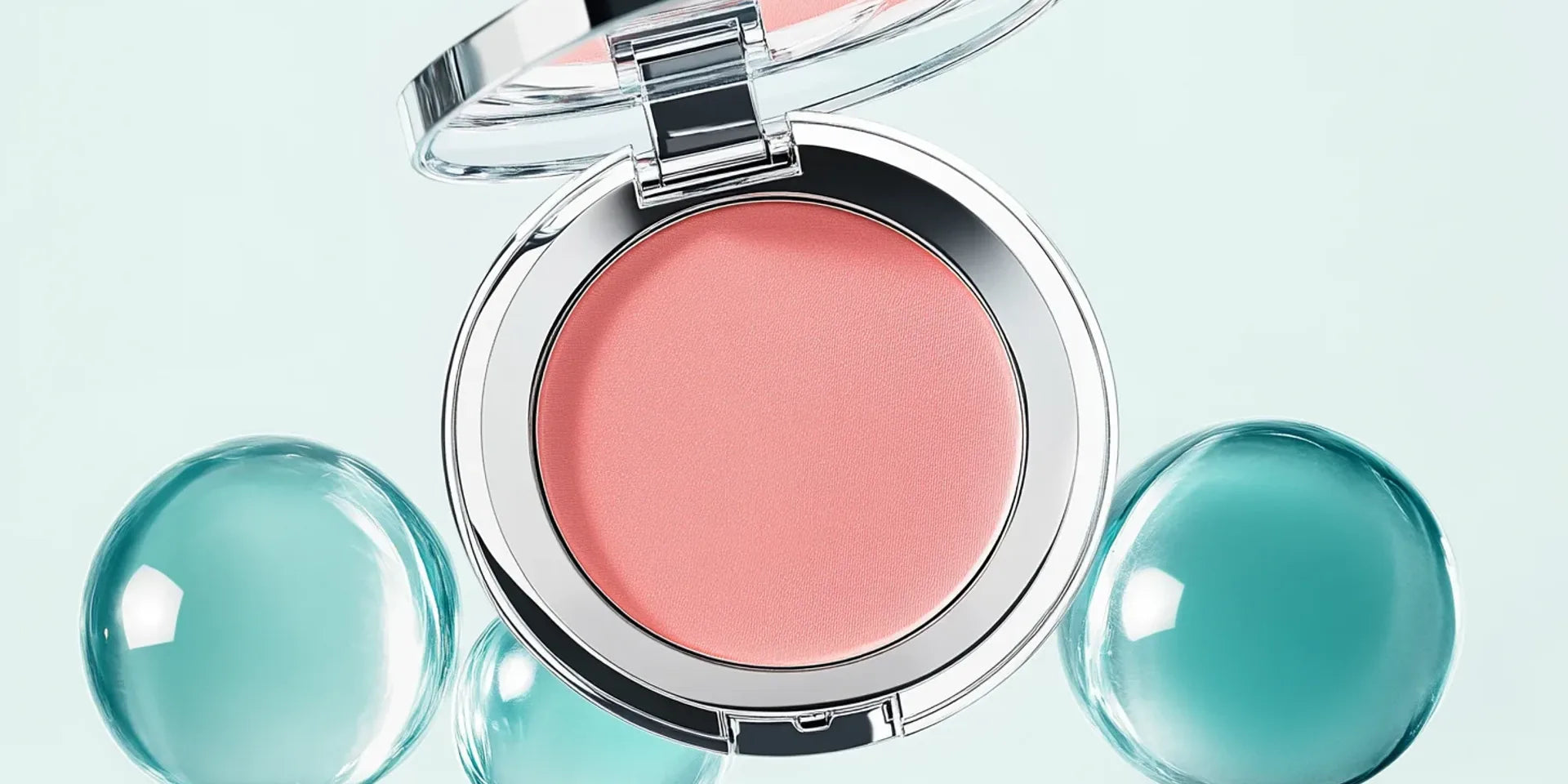
Paraben Free Makeup: A Clear Guide to Labels and Formulas
The ingredient list is often the least glamorous part of a makeup purchase, but it is where a thoughtful routine begins. I look past the front-of-pack promise and scan the formula itself, especially when choosing products for the delicate eye area or a complexion that reacts easily. A clean label should make the choice clearer, not turn it into a chemistry exam.
Paraben free makeup is formulated without paraben preservatives such as methylparaben, propylparaben, or butylparaben. That label reflects a formulation choice, not a claim that the product needs no preservation. Cosmetics still need protection from bacteria and fungi, and the formula, packaging, and your habits all affect how safely it wears over time.
Once you understand what preservatives do, ingredient names become much less intimidating. Start with the role parabens play in a formula, then you can read the label with a more balanced eye and decide which approach fits your preferences.
Paraben Free Makeup: What Are Parabens and Why Are They Used in Makeup?
Parabens are a family of preservatives used in cosmetics to slow the growth of bacteria, fungi, and other microorganisms. They have been used in beauty formulations since the 1920s, long before "clean beauty" became part of the shopping conversation. Their job is practical: help keep a product stable and usable after it leaves the factory and enters a real bathroom, handbag, or makeup drawer.
Preservatives protect more than the formula
Makeup is not sealed away from the world forever. Every time a finger touches a cream blush, a brush dips into a pot. Or a wand returns to a tube, the formula can be exposed to moisture, air, and microbes. Water-based products are particularly vulnerable because they create an environment where microorganisms can multiply. Without an effective preservation system, a product may spoil before its texture, pigment, or finish visibly changes.
That is why I do not treat the word "preservative" as an automatic red flag when I read an ingredient list. A well-preserved formula is part of product safety. Research describes parabens as antimicrobial ingredients that help prevent microbial growth in cosmetic products, while also noting that preservative ingredients are subject to safety considerations. The published review on paraben preservatives is useful context because it looks at both their function and the concerns that have shaped the debate.
Why shelf life matters in makeup
Preservation also supports shelf life. A lipstick, concealer, or liquid eye product may be stored for months before it is opened, then used repeatedly over time. Parabens can help prevent contamination during that period, so the formula remains fit for its intended use rather than becoming a quiet breeding ground for bacteria or fungi. That does not make old makeup invincible. Cosmetics can still become contaminated after opening, and good habits, such as closing products tightly and replacing makeup regularly, matter just as much.
For me, this is the important distinction when choosing paraben free makeup: "paraben-free" describes what a formula does not use, not whether it is preserved or automatically safer. A responsible paraben-free product still needs a thoughtful preservation system, hygienic packaging, and clear guidance for use. I read the full ingredient list rather than stopping at a front-label claim, then pay attention to changes in smell, texture, or performance. Clean formulation should make the routine feel considered, not careless.
Common Paraben Names to Look for on Ingredient Labels
Reading an ingredient list gets easier once you know the naming pattern. Here is the scan I use when checking a new makeup product. Especially when the front label makes a broad clean-beauty promise but the full formula is printed elsewhere.
-
Find the full INCI ingredient list.
INCI stands for International Nomenclature of Cosmetic Ingredients. Look for the complete list on the back or side of the carton, on the bottom of the product, or on a peel-back label. For online shopping, check the product details or ingredient tab, then compare it with the packaging when the order arrives. A short claims panel is not a substitute for the full list.
-
Scan for the "-paraben" ending.
The quickest shortcut is to look for the suffix -paraben. Common names include methylparaben, propylparaben, butylparaben, and ethylparaben. You may also see isobutylparaben. They can appear among many other ingredients, so scan the whole list rather than stopping after the first few lines.
-
Check spelling, not just the marketing language.
"Clean," "natural," or "free from" language on the front of a package does not tell you exactly which preservative system the formula uses. If a product is specifically described as paraben-free, verify that none of the names above appear in its ingredient list. "Paraben-free" refers to the absence of parabens. Not to the absence of every preservative or to a guarantee that a product will never spoil.
-
Look for freshness information, too.
Cosmetic manufacturers are not required to provide shelf-life or best-used-by dates on product labels, according to the Mayo Clinic. That makes the opening date worth noting yourself. Pay attention to changes in smell, texture, color, or performance, and be especially careful with products used around the eyes. A clear ingredient list is useful, but it cannot replace sensible product hygiene.
Once you recognize the suffix, label-checking becomes a quick habit rather than a chemistry exam. I usually save the ingredient panel before buying, then revisit it if a formula feels different on the skin.
The Safety Debate: What the Science Says About Parabens
Parabens are not a simple good-versus-bad ingredient story. They are preservatives, and preservatives matter because makeup can be exposed to air, fingers, brushes, and moisture every time it is opened. The question is whether the benefits of a particular preservative outweigh the concerns surrounding it. Especially for people with sensitive skin or a strong preference for simpler ingredient lists.
Why parabens became controversial
Consumer concern largely centers on two ideas: allergic contact reactions and possible estrogen-like activity. Researchers have discussed both issues for years, which is why paraben safety continues to attract attention rather than disappearing as a settled beauty myth. A review in the medical literature describes the conflicting reports around allergic dermatitis and assumed estrogen-like effects, while also noting the important role preservatives play in controlling microbial growth.
That concern is understandable. If you have experienced irritation after using a cosmetic, you may reasonably want to remove potential triggers one at a time. But "paraben-free" does not automatically mean irritation-free, and it does not mean a product is preserved without any other ingredients. It means the formula does not use the specific preservatives identified as parabens.
What the evidence actually supports
The FDA lists parabens as safe for use in cosmetics when formulated within permitted conditions. At the same time, scientific discussions have not all reached identical conclusions about every possible endocrine or allergy-related question. Some reports raise concerns about estrogen mimicry, while other perspectives find no conclusive link showing that normal cosmetic use causes the feared health effects. The most responsible reading is neither "all parabens are dangerous" nor "there is nothing to consider." The evidence supports a measured view: formulation. Concentration, exposure, and individual sensitivity all matter.
There is also a practical safety point that gets lost in ingredient debates. A paraben-free product still needs an effective preservation system and sensible use habits. Makeup can become contaminated after opening, and dermatologists commonly recommend reviewing and replacing products regularly. A clean label cannot compensate for repeatedly using an old mascara or sharing products.
Why the shift toward paraben-free makeup continues
The growth of paraben free makeup reflects consumer preference as much as a scientific verdict. Some shoppers want to avoid ingredients associated with hormonal concerns; others are managing allergies. Simplifying their routines, or choosing brands whose formulation philosophy feels more aligned with their values. That choice can be valid without claiming that every conventional formula is unsafe.
This article is a label-and-formula guide, not another ranking of the "best" brands. If you want the broader context behind choosing clean, paraben-free products, continue exploring clean beauty principles. Here, the useful question is more specific: can you identify what is in the formula. Understand why it is there, and choose what suits your skin and comfort level?
What to Look for in Paraben-Free Makeup Formulas
"Paraben-free" tells you what a formula leaves out, not whether it is automatically safer, fresher, or better made. On a label, the claim should be supported by the ingredient list: you should not see common paraben preservatives such as methylparaben, propylparaben, butylparaben, or ethylparaben. The more useful question is what the brand has used instead, and whether the whole formula has been designed to remain stable after opening.
Look for a real preservation system
Paraben-free makeup still needs proper preservation. Water, oils, pigments, and repeated contact with fingers or brushes create opportunities for contamination, particularly in creamy products and liquid eye makeup. Brands may use alternatives such as phenoxyethanol, or blends of other approved antimicrobial ingredients, to help control microbial growth. You may also see naturally positioned ingredients such as grapefruit seed extract. Vitamin E can help protect oils from oxidation, but it should not be treated as proof that a product is fully preserved on its own.
This is where label reading becomes more useful than a front-of-pack promise. A short ingredient list is not automatically a superior one, and "natural" does not mean that a formula can skip preservation. Look for a complete INCI list, clear directions for use, and packaging that limits unnecessary exposure to air and hands. A pump or squeeze tube is often more hygienic for a liquid or cream than an open jar you dip into repeatedly.
Check the product, not just the claim
Inspect the formula when you open it. Changes in smell, color, texture, separation, or performance are reasons to stop using it, even if the product is labeled clean. I am especially cautious with mascara and liquid products used near the eyes. Mayo Clinic notes that bacteria and germs can grow in mascara and then transfer back to the eye during reapplication. Cosmetics can also become contaminated after opening, so many dermatologists recommend reviewing and replacing makeup every six months, depending on the product and how it has been handled.
Finally, remember that "paraben-free" is a specific formulation choice, not a complete definition of clean beauty. Read the full ingredient list, follow storage guidance, keep applicators clean, and replace products on a sensible schedule. That combination gives you a much clearer picture of a well-made formula than a single marketing phrase. If you want help choosing textures and finishes while comparing ingredient lists, a Virtual Beauty Consultation can make the process less overwhelming.
| Preservative Approach | Common Ingredients | Why It’s Used |
|---|---|---|
| Paraben-based | Methylparaben, Propylparaben, Butylparaben | Broad antimicrobial protection; FDA-listed as safe; used since 1920s |
| Synthetic paraben-free | Phenoxyethanol, Ethylhexylglycerin | Approved alternatives that control bacteria and fungi without parabens |
| Naturally positioned | Grapefruit seed extract, Vitamin E, Rosemary extract | Support preservation but often work best in combination with other agents |
How Nude Envie Approaches Clean, Paraben-Free Formulation
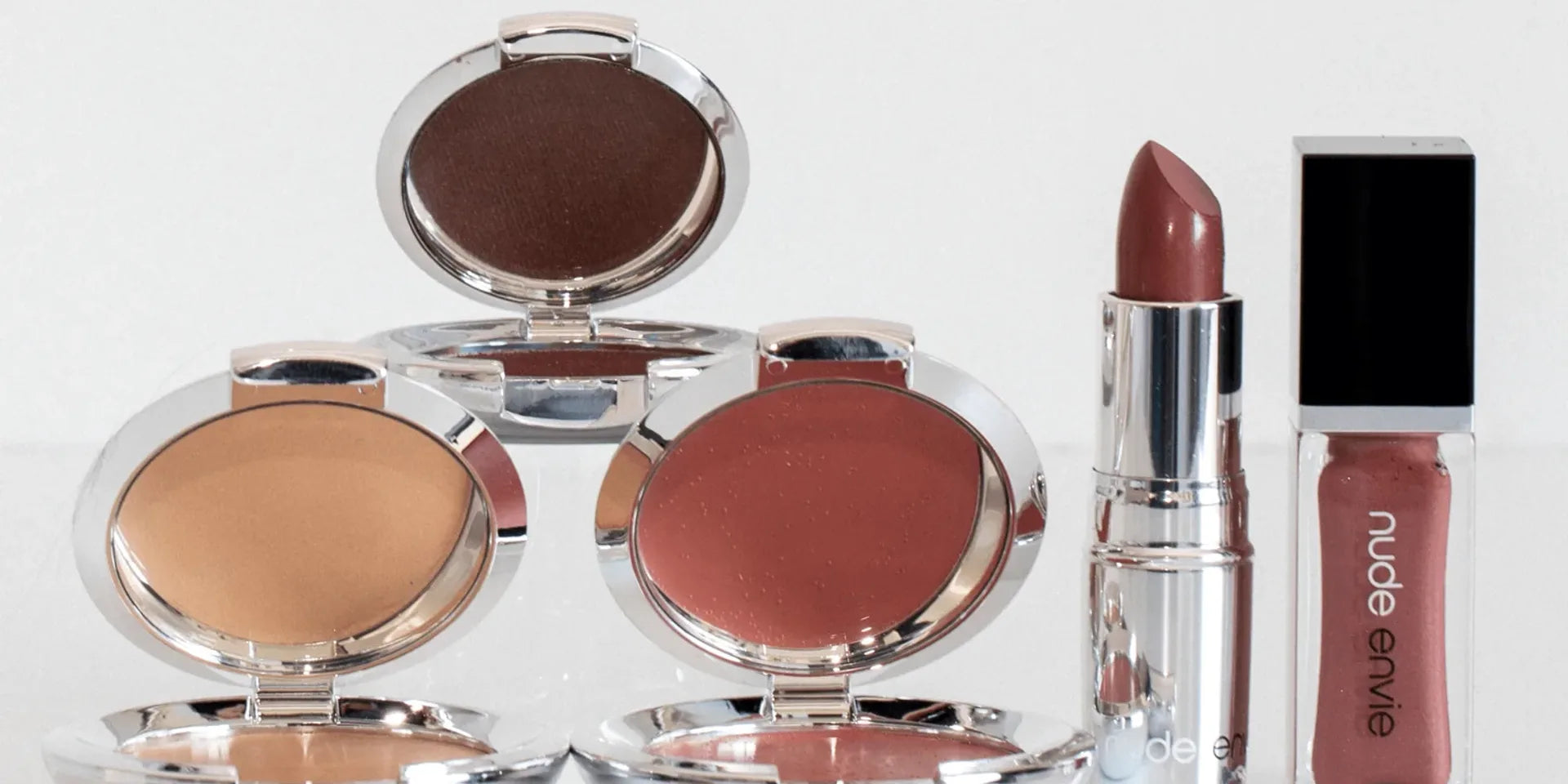
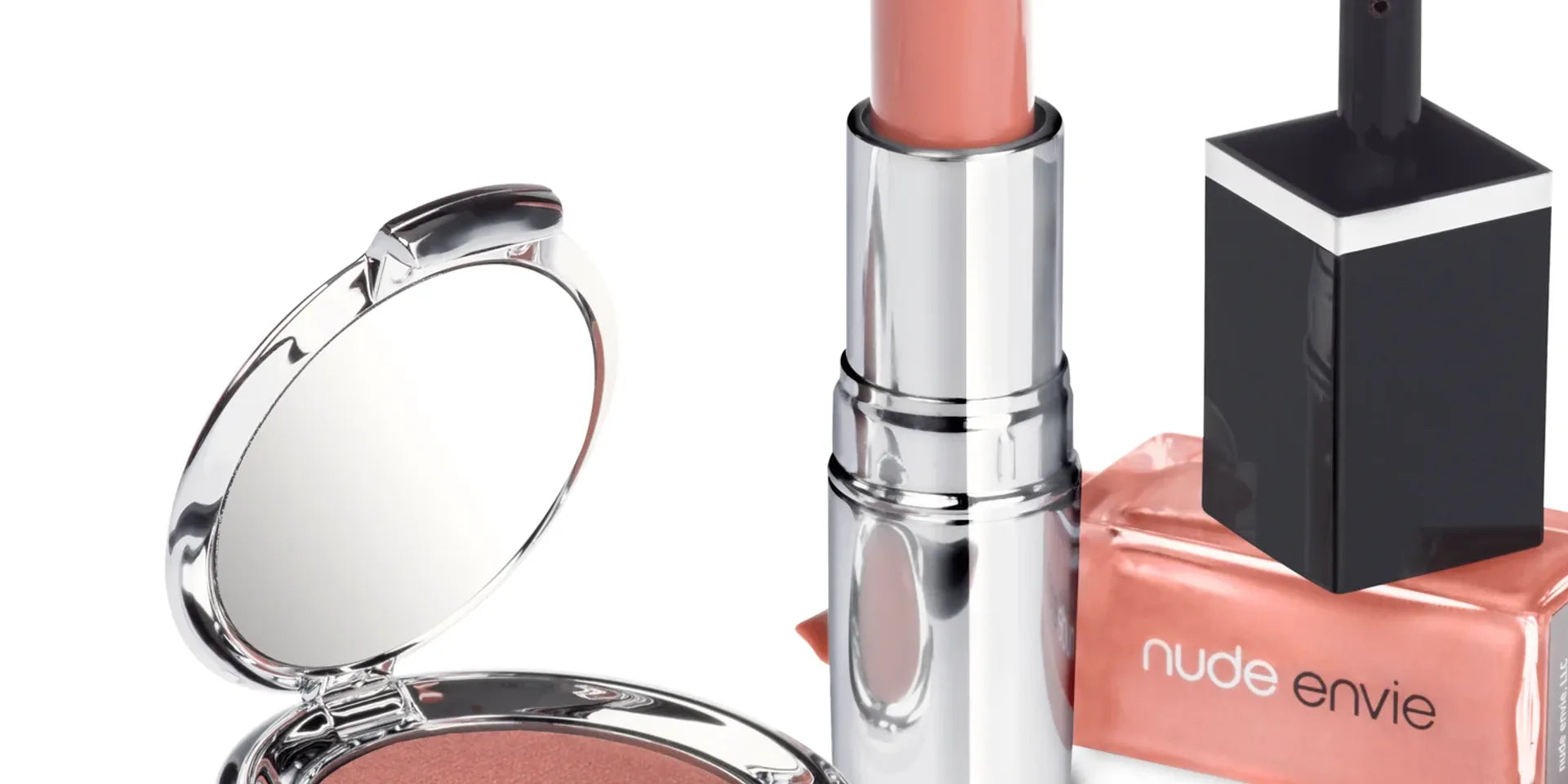
What I notice first about Nude Envie is that the clean promise does not come at the expense of a polished makeup experience. The brand takes a considered approach to paraben free makeup. Every product is paraben-free, cruelty-free, and vegan, while the formulas are still designed to feel luxurious on the skin rather than merely compliant on an ingredient checklist.
Ingredients chosen for comfort and finish
The ingredient story is intentionally focused. Jojoba Oil helps give the formulas a supple glide, Shea Butter contributes cushion. And Vitamin E supports the smooth, conditioned feel I want from a product that stays close to the skin. Crushed Pearls add the most distinctive touch, creating a soft luminosity rather than obvious sparkle. In daylight, that difference matters. The finish catches light gently and looks refined instead of frosted.
This is especially apparent in the lip formulas. Nude Envie lipsticks are priced at $34 and deliver a pearlescent satin finish with full coverage. Lipstick Attitude is the kind of shade I would reach for when I want a finished nude lip without a flat, dry-looking result. Lipstick Pure feels more understated for an effortless daytime face, while Lipstick Intuition brings a little more presence without abandoning the brand's natural, coordinated aesthetic. The texture has enough slip for comfortable application, but it does not read as a glossy balm. After the initial creaminess settles, the satin sheen remains polished and wearable.
A founder-led formulation philosophy
That attention to finish has a personal foundation. Founder Isabel Madison brings second-generation cosmetic chemistry expertise to Nude Envie. Her father, Perry Cohan, worked for Max Factor and Chanel, giving the brand a family connection to the technical and artistic sides of cosmetics. For me, that context helps explain why the products are organized around more than a clean claim. Shade harmony, texture, and the way a product behaves in real lighting all matter.
If you want to compare the range without scrolling through an overwhelming assortment, start with Nude Envie's paraben free makeup collections. And if undertone or finish still leaves you uncertain, a personal beauty consultation can help narrow the choice to products that make sense together, not simply the next item on a trend list.
Frequently Asked Questions
What does paraben-free mean on a makeup label?
It means the formula does not use preservatives from the paraben family, including methylparaben, ethylparaben, propylparaben, butylparaben, or isobutylparaben. It does not mean the product is preservative-free. A safe water-based formula still needs a preservation system to help control microbial growth.
How do I know if my makeup contains parabens?
Read the full ingredient list rather than relying only on front-of-pack claims. Look for ingredient names ending in "-paraben," especially the common names listed above. If the label is unclear, check the brand's current ingredient disclosure or contact the brand before buying, since formulas can change.
Are parabens harmful in makeup?
The safety discussion is not as simple as "natural versus chemical." Parabens are preservatives. And scientific literature includes both their established antimicrobial role and ongoing concerns about allergic reactions and estrogen-like activity. If you prefer to avoid them, choosing a paraben-free formula is a reasonable personal-care preference, not a reason to skip preservation altogether (peer-reviewed review).
Does paraben-free makeup expire faster?
Not automatically. Shelf life depends on the complete formula, packaging, storage, and how often the product is exposed to air, fingers, or brushes. Cosmetics can become contaminated after opening, and many dermatologists recommend reviewing and replacing makeup about every six months (Mayo Clinic). Treat changes in smell, texture, color, or performance as a reason to stop using a product.
Which makeup brands offer paraben-free formulas?
Many brands now publish paraben-free collections, but verify the claim against the ingredient list and the brand's current formula information. Nude Envie's products are paraben-free, vegan, and cruelty-free, with formulas built around ingredients such as jojoba oil, shea butter, and vitamin E.
Ready to Choose Your Paraben-Free Routine?
Once you know how to read a label, choosing makeup can feel much less overwhelming. Nude Envie's curated collections make it easier to explore a clean, polished routine that suits your preferences, without sorting through endless options alone. Book a 1-on-1 Virtual Beauty Consultation for thoughtful guidance on finding the shades and products that feel right for you.