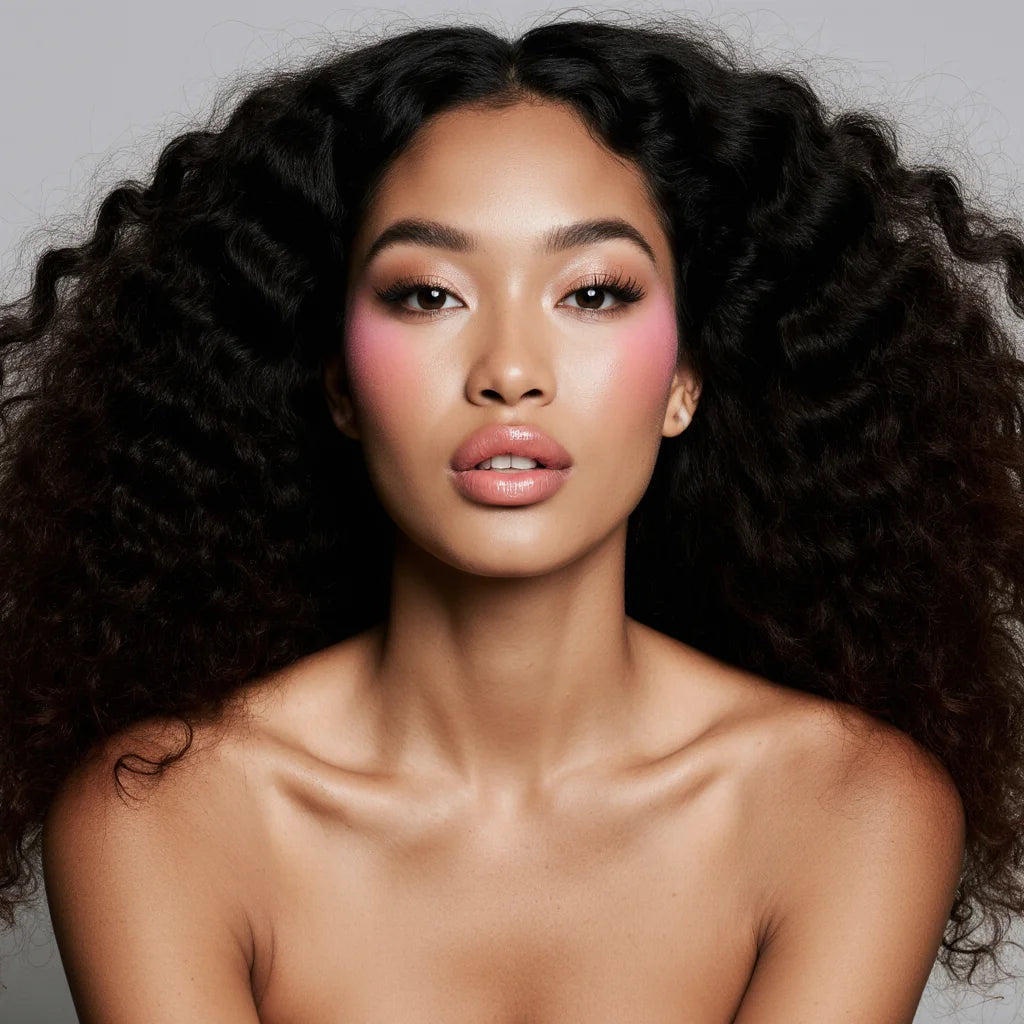
Where to Apply Bronzer for a Sun-Kissed Glow

We’ve all seen it: the dreaded orange stripes or the patchy application that makes bronzer look more like a mistake than magic. The truth is, bronzer is one of the most transformative products in your makeup bag, but only when you know how to use it correctly. It’s all about the right shade, the right tools, and the right placement. Forget the guesswork. We’re going to walk you through the simple steps for a flawless application, including how to find your perfect shade and the best spots where to apply bronzer for a natural, sun-touched warmth that looks like it’s coming from within.
Key Takeaways
- Apply Bronzer Where the Sun Naturally Hits: For the most believable warmth, focus your application on the high points of your face like the forehead, cheekbones, and jawline. Using the "3" method is a simple way to hit all these spots for a balanced, sun-kissed look.
- Match the Shade to Your Skin's Undertone: The key to a flattering finish is choosing a bronzer that complements your skin's natural undertones. Select a shade one to two levels deeper than your skin tone to ensure it adds warmth without looking orange or muddy.
- Build and Blend for a Flawless Finish: Always start with a light hand and gradually build the color to your desired intensity. Use a large, fluffy brush and buff the product into your skin with circular motions until all harsh lines disappear, creating a soft and seamless glow.
What is Bronzer & Why Use It?
Think of bronzer as your secret to a healthy, sun-kissed look, no vacation required. Its main job is to add warmth and a natural-looking glow to your skin, mimicking where the sun would gently tan your face. Unlike a self-tanner,
Bronzer vs. Contour: What's the Difference?
It’s easy to get these two products mixed up, but they have very different goals. The simplest way to remember it is that bronzer is for warming, while contour is for shaping. Bronzer adds a warm, sunlit glow to the high points of your face. Because of this, bronzers typically have warm, golden, or reddish undertones.
Contour, on the other hand, is used to create shadows and define your features, like your cheekbones or jawline. To mimic a natural shadow, contour products are cool-toned or neutral. So, while you might apply bronzer to your cheekbones for a healthy glow, you’d apply contour just below them to sculpt and add definition.
The Benefits of a Sun-Kissed Glow
A touch of bronze does more than just add color; it enhances your natural radiance. The right bronzer should blend seamlessly into your skin, bringing a believable warmth that makes you look healthy and refreshed. It’s a fantastic way to add dimension back into your face after applying foundation, which can sometimes make your complexion look a bit flat.
A sun-kissed glow gives your skin a vibrant, healthy appearance without the risks of sun exposure. When paired with a pop of blush on the apples of your cheeks, bronzer helps create a beautifully balanced and lively look that feels both natural and polished. It’s all about enhancing your features, not hiding them.
Where to Apply Bronzer for a Natural Glow
The secret to a perfect bronze is all about placement. Instead of applying it everywhere, focus on the high points of your face where the sun would naturally give you a little color. This strategy creates a believable, warm glow that looks like you’ve spent a day at the beach, not an hour with your makeup bag. Here’s a simple guide to hitting all the right spots for a flawless, sun-kissed finish.
Forehead and Temples
Think about where the sun hits first; your forehead is prime real estate for a touch of warmth. Using a large, fluffy brush, lightly sweep your bronzer along your hairline. Then, blend it out and down onto your temples in a soft, C-shaped motion that connects to your cheekbones. This technique not only adds a beautiful glow but also helps to frame your face, creating soft dimension. The key is to build the color gradually to avoid any harsh lines, ensuring the finish is diffused and natural-looking. It’s the perfect first step for an authentic, sun-touched look.
Cheekbones
For beautifully defined cheeks, bronzer is your best friend. To find the perfect spot, smile gently and apply the bronzer just underneath your cheekbones, in the soft hollows. Sweep the color upward toward your hairline, blending as you go. This lifts the face and adds warmth without the sharp, sculpted lines of a contour. Using a product like our Enamor Blush in a bronzy shade can also achieve this effect beautifully. Remember, the goal is a soft gradient of color that looks like a natural shadow, giving your cheeks a healthy, radiant pop.
Bridge of the Nose
A little dusting of bronzer across the bridge of your nose is the secret to making your glow look completely authentic. This is one of the highest points of your face and naturally catches the most sun. After applying bronzer to your forehead and cheeks, use whatever is left on your brush and lightly sweep it from one side of your nose to the other. A very light hand is crucial here; you want just a whisper of color to tie the whole look together. This simple step makes your sun-kissed makeup look intentional and effortlessly chic.
Jawline and Chin
Don’t let your bronzer stop at your cheeks. Extending that warmth down to your jawline creates a cohesive and polished look. Lightly sweep your bronzer along the length of your jaw, from just under your earlobe toward your chin. This adds a touch of soft definition and ensures there’s a seamless transition between your face and neck. It’s a subtle trick that makes a big difference, preventing the dreaded "floating face" effect where your face makeup ends abruptly. It helps to gently sculpt your features while maintaining a natural, blended finish.
Décolletage and Shoulders
For a truly seamless glow, especially when you’re wearing a lower neckline, extend your bronzer beyond your face. A light dusting of bronzer across your collarbones will help them catch the light beautifully, adding an elegant touch to your overall look. You can also sweep a bit onto the tops of your shoulders for that all-over sun-kissed radiance. This final step ensures your face, neck, and chest are all in harmony, creating a believable warmth from head to toe. It’s the perfect finishing touch to complete your radiant makeup look.
How to Apply Bronzer for a Seamless Finish
Getting that perfect sun-kissed glow is all about technique. A seamless finish looks natural and effortless, like you just returned from vacation. With a few simple steps, you can avoid harsh lines and achieve a beautifully blended, radiant look. It’s all about using the right tools and a light touch to create warmth.
Try the "3" Method
This classic technique is foolproof. Imagine drawing the number "3" on both sides of your face. With a fluffy brush, start at your forehead along the hairline, sweep down and under your cheekbone, then curve back out along your jawline. This simple motion hits all the high points where the sun would naturally kiss your skin, creating a balanced warmth. Always tap off any excess product from your brush before you begin.
Buff in Circular Motions
Blending is what makes bronzer look like a natural tan instead of makeup. To avoid harsh lines, use small, circular motions to buff the product into your skin. A fluffy, angled brush works wonders for powder formulas, while a denser brush gives you more control with creams. This technique helps diffuse the color softly, melting it into your skin for a finish that looks truly seamless.
Layer Lightly for a Natural Look
It's always best to start with a light hand. You can always build up the color, but it’s much harder to take it away once it’s on. Apply a small amount of product to your brush first. After your initial layer, step back and assess. If you want more warmth, add another light layer. This approach ensures you get a subtle, natural-looking glow from one of our best-selling products.
Blend Until It's Seamless
Your final step is to ensure everything is perfectly blended. Take a clean powder brush and gently sweep over the bronzed areas to soften any edges. Pay special attention to your hairline and jawline, making sure the color fades naturally into your skin and neck. The goal is a soft gradient, not obvious lines. For an extra pop of color, add a touch of our Enamor Blush to the apples of your cheeks.
How to Choose the Perfect Bronzer Shade
Finding the right bronzer is the secret to achieving that believable, just-back-from-vacation glow. The perfect shade should blend seamlessly, flatter your natural coloring, and give you a warm radiance that looks like it comes from within. It’s less about changing your skin color and more about enhancing it. With so many options out there, it can feel a little overwhelming, but a few simple guidelines can help you find your perfect match. Let’s walk through how to select a bronzer that will make you look and feel beautifully sun-kissed, never orange or muddy.
Find Your Skin's Undertone
Before you even look at bronzer shades, you need to understand your skin’s undertone. This is the subtle color beneath your skin's surface that always stays the same, whether you’re tan or pale. If you have warm undertones (yellow, peachy, or golden), bronzers with a touch of gold or terracotta will look amazing. For cool undertones (pink, red, or blue), a more neutral or rosy-brown bronzer will prevent you from looking too orange. If you have neutral undertones, you’re in luck, as you can wear most shades. A quick way to check is to look at the veins on your wrist; blue veins suggest cool tones, while green veins point to warm tones. If you're still unsure, a virtual beauty consultation can offer personalized advice.
Pick the Right Shade Depth
A common piece of advice you’ll hear is to choose a bronzer that is one to two shades darker than your natural skin tone, and it’s popular for a reason: it works. This rule of thumb ensures the color adds warmth and dimension without creating a stark, unnatural contrast. Going too dark is a fast track to a muddy or patchy application. The goal is to mimic a real tan, which gradually deepens your skin tone. When you’re shopping, hold the product up to your skin to get a general idea. A shade that looks just slightly deeper than your complexion is likely the right one for a subtle, buildable warmth.
How to Test and Match Your Bronzer
The best way to know if a bronzer is right for you is to swatch it correctly. While it’s tempting to test it on your hand or wrist, the skin there is often a different color than your face. For the most accurate match, apply a small amount along your jawline or on your chest. These areas give you a better sense of how the color will look against your face and décolletage. Blend it out and check the color in natural light. The right shade will blend in effortlessly, leaving behind a warm, healthy-looking glow that enhances your skin rather than sitting on top of it.
Matte or Shimmer: Choose Your Finish
Your choice between a matte or shimmer finish really comes down to the look you want to achieve. A matte bronzer is perfect for creating a natural, sculpted warmth and is incredibly versatile for everyday wear. It mimics the look of a real tan without any added sparkle. A shimmer bronzer, on the other hand, contains fine light-reflecting particles that give your skin a luminous, radiant finish. It’s fantastic for an evening out or anytime you want an extra glow. Our Sahara Bronzer offers a soft, buildable warmth that brings out your skin’s natural radiance for that perfect sun-kissed effect.
How to Apply Bronzer for Your Face Shape
While the "3" method is a fantastic starting point, you can refine your technique even further by tailoring it to your specific face shape. This little adjustment helps enhance your best features and creates the most natural, flattering warmth. Think of it as strategic placement that works with your bone structure, not against it. Grab your favorite creamy bronzer and let’s find the perfect application for you.
For a Round Face
If you have a round face, the goal is to add a bit of definition and length. You can do this by applying bronzer in a slightly more angular way. Start at your temples and sweep the bronzer down along the hollows of your cheeks, stopping about midway. Then, add a touch along your jawline. This technique creates subtle shadows that gently sculpt your face, giving the illusion of more defined cheekbones and a slightly longer facial structure. Avoid applying bronzer to the apples of your cheeks, as that can make the face appear rounder.
For a Square Face
Square face shapes have beautiful, strong angles. To soften these features just a touch, apply your bronzer in gentle, curved motions. Sweep it along your hairline and temples, curving inward to soften the corners of your forehead. Then, apply it just below your cheekbones, blending toward the center of your face to soften the jawline. This technique adds a hint of roundness and dimension, complementing your natural bone structure without hiding it. The key is to use a light hand and blend everything seamlessly.
For an Oval Face
Oval faces are naturally balanced, so your goal is simply to enhance that symmetry. A light dusting of bronzer on the high points of your face is all you need. Apply a small amount to your forehead near the hairline, across the tops of your cheekbones, and along your jawline. This placement adds warmth exactly where the sun would naturally hit, giving you a healthy, sun-kissed look. You can also add a tiny bit to the bridge of your nose and chin to tie it all together for a cohesive, radiant finish.
For Heart-Shaped and Long Faces
For heart-shaped faces, the aim is to balance a wider forehead with a narrower chin. Apply bronzer along your temples and the top of your forehead to create a sense of proportion. Then, lightly sculpt the area just below your cheekbones. If you have a longer face shape, you can create the illusion of a shorter, more balanced look by applying bronzer along the hairline and under your chin along the jawline. This simple trick draws the eye inward, adding width and softness where you want it most.
Common Bronzer Mistakes to Avoid
We’ve all been there: you apply your bronzer hoping for a sun-kissed glow and end up with a look that’s more streaky than stunning. The good news is that most bronzer mishaps are easy to fix and even easier to avoid. Let’s walk through some of the most common mistakes and how you can steer clear of them for a flawless, natural-looking warmth every time. By paying attention to shade, tools, and technique, you can make sure your bronzer enhances your features beautifully.
Going Too Dark or Creating Harsh Lines
One of the quickest ways to an unnatural finish is by using a bronzer that's too dark for your skin. A good rule of thumb is to choose a shade that is no more than two shades deeper than your natural skin tone. The goal is to add warmth and dimension, not to change your complexion entirely. When a shade is too dark, it becomes difficult to blend and often results in harsh, obvious lines. To avoid this, always start with a light hand. You can gradually build the color until you reach your desired intensity. This layering technique gives you more control and ensures a soft, believable glow.
Choosing the Wrong Shade
Beyond depth, the undertone of your bronzer is critical. Using a bronzer that clashes with your skin’s natural undertone can make your complexion look muddy or orange. If you have warm undertones (your skin has hints of yellow or gold), look for bronzers with golden or peachy hues. For cool undertones (skin with pink or red hints), a taupe or neutral brown bronzer works beautifully. Not sure about your undertone? A virtual beauty consultation can provide personalized advice to help you find the perfect match, ensuring your bronzer looks like a natural tan, not makeup.
Forgetting to Blend Properly
Blending is arguably the most important step in any makeup application, and it’s absolutely essential for bronzer. Unblended bronzer can leave you with distinct stripes or patches of color that look anything but natural. To achieve a seamless finish, use light, circular or sweeping motions to diffuse the product into your skin. Make sure there are no visible start or end points. A great trick is to use a clean, fluffy brush after application to go over the edges and soften them even more. The extra moment spent blending will make all the difference in creating a truly sun-kissed effect.
Using the Wrong Brush
The tool you use can make or break your bronzer application. A brush that’s too small or dense can deposit too much product in one spot, leading to a patchy look. For powder bronzers, a large, fluffy brush with a slight angle is your best friend. It distributes the powder lightly and evenly, allowing for a soft, diffused application. This type of brush is perfect for sweeping color across the high points of your face. Using the right tool gives you better control over placement and makes the blending process much smoother, helping you achieve that professional, airbrushed finish.
Get the Right Tools for a Flawless Finish
A flawless finish comes from a combination of the right products and the right tools. Start with a beautifully formulated, blendable bronzer that complements your skin. Then, pair it with the appropriate brush for that formula. But your toolkit doesn't stop there. Applying bronzer over a smooth, prepped base of foundation or tinted moisturizer will help it glide on and blend seamlessly. Good lighting is also a non-negotiable tool. It allows you to see exactly where you’re placing the product and ensures you’ve blended everything perfectly. You can even build your own collection to ensure all your products work together harmoniously.
Related Articles
- How to Apply Powder Bronzer Naturally: A 5-Step Guide | Nude Envie
- How to Buy the Perfect Natural Finish Bronzing Powder – Nude Envie
- 4 Best Lightweight Powder Bronzers for a Natural Glow | Nude Envie
- 9 Best Powder Bronzers for a Truly Natural Tan | Nude Envie
Frequently Asked Questions
Can I use my bronzer to contour my face? It's best to keep these two jobs separate. Bronzer is designed to add warmth and a sun-kissed glow, so it typically has warm undertones. Contour, on the other hand, is meant to create shadows and define your features, which requires cool or neutral tones to look believable. Using a warm, shimmery bronzer to contour can look unnatural, so I recommend using a dedicated contour product for sculpting and saving your bronzer for that beautiful, healthy radiance.
I have very fair skin. How can I wear bronzer without it looking unnatural? You absolutely can wear bronzer. The key is to choose the right shade and apply it with a very light hand. Look for a bronzer that is only one shade deeper than your skin tone with a neutral or even slightly rosy undertone to avoid any orange tones. Use a large, fluffy brush, tap off any excess product, and apply it very sheerly to the high points of your face. It's always easier to build up the color slowly than to take it away.
Should I apply bronzer before or after my blush? I always recommend applying your bronzer first. Think of bronzer as creating the warm, foundational shape for your face. Once you've applied it to your temples, cheekbones, and jawline, you can then add a pop of blush to the apples of your cheeks. This order helps the two colors blend together seamlessly for a very natural and balanced finish.
What's the best way to fix my makeup if I've applied too much bronzer? Don't panic, it's an easy fix. The best way to soften harsh lines or tone down too much color is to use a clean, fluffy powder brush. Gently buff over the areas where the bronzer is too strong using soft, circular motions. This will diffuse the pigment without disturbing the makeup underneath. If you need a little more help, you can use a brush with a small amount of translucent setting powder.
Can I use a cream bronzer instead of a powder one? Of course. Cream bronzers are fantastic for achieving a very natural, skin-like finish, and they work especially well for those with normal to dry skin. They melt into the skin beautifully and can be blended with your fingers, a makeup sponge, or a dense brush. Just be sure to apply your cream bronzer before any powder products, like setting powder or powder blush, to ensure a smooth application.