No Makeup Makeup: A Real-Life Routine
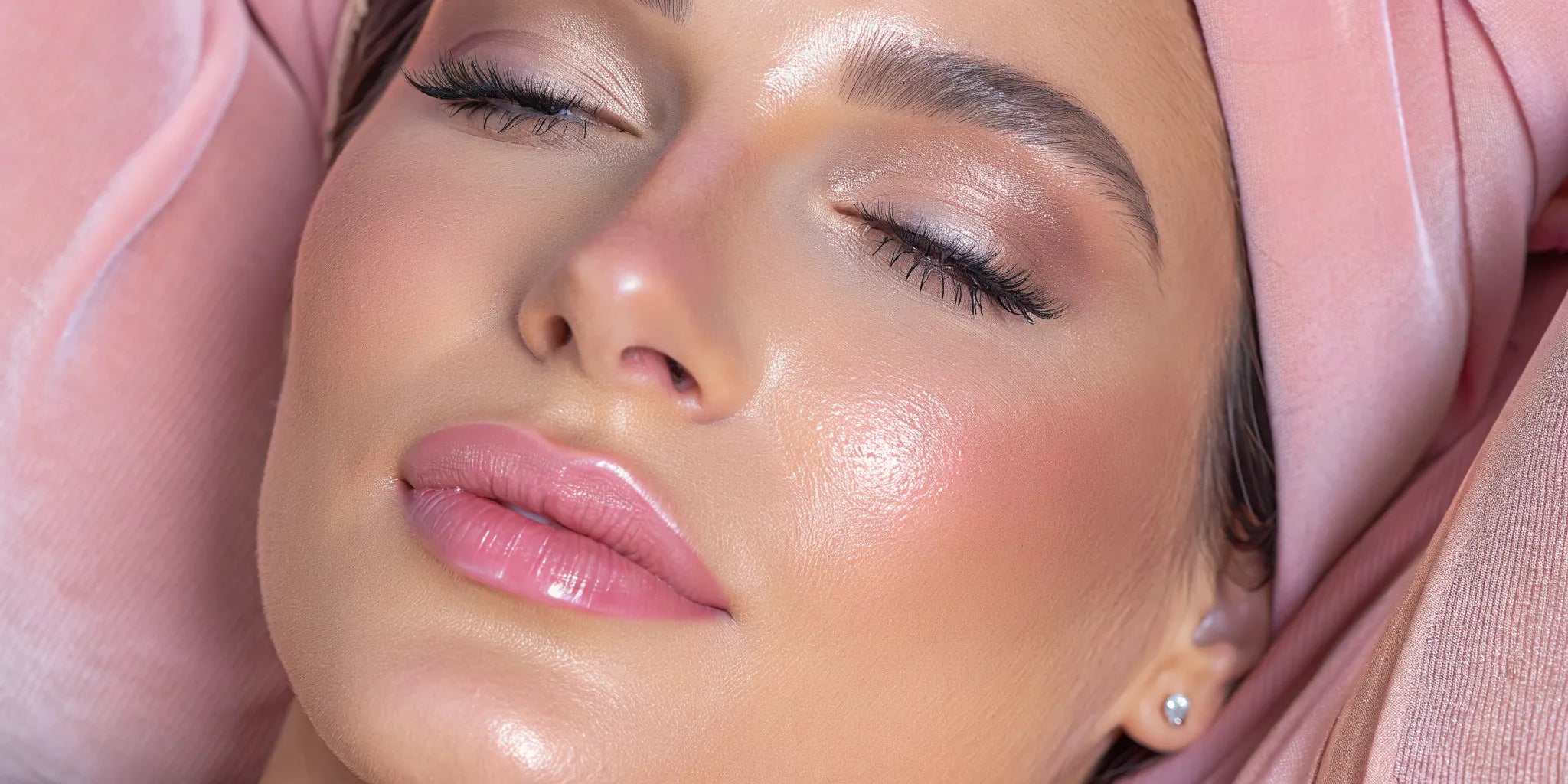
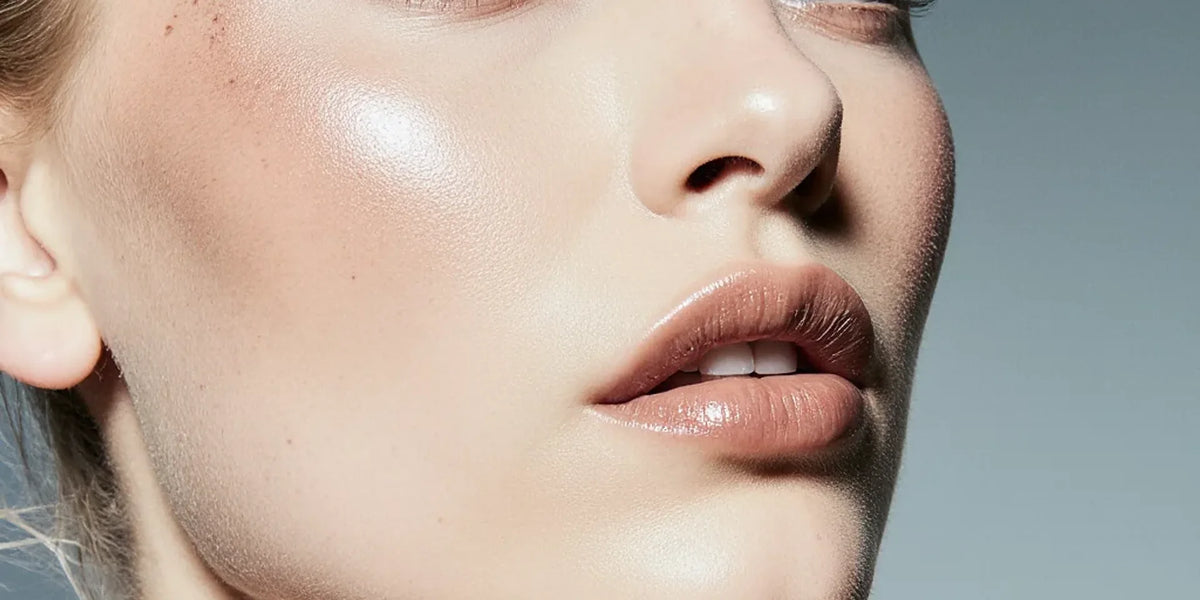
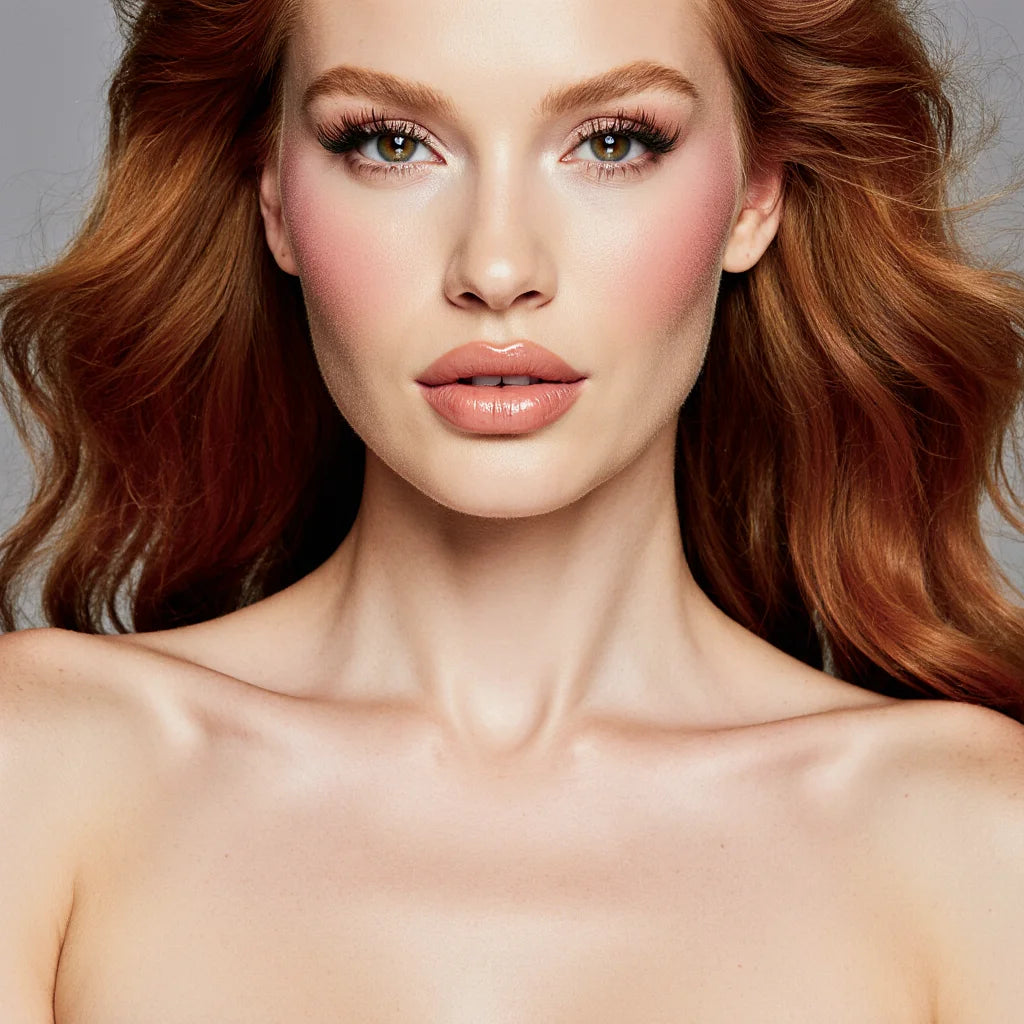
The best no makeup makeup does not hide your face. It lets your skin, features, and natural coloring lead while a few thoughtful touches make you look fresh and polished.
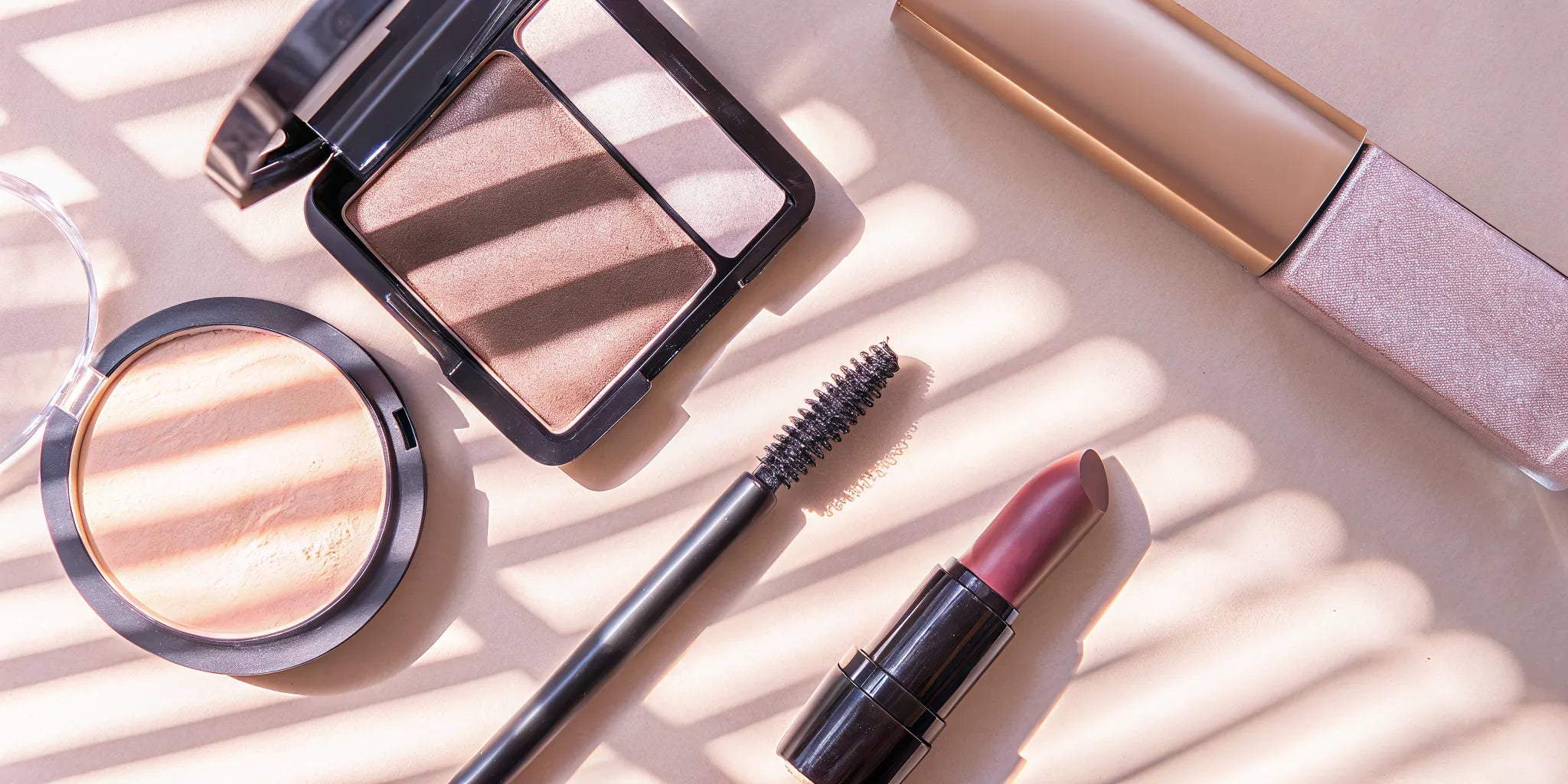
Build your own coordinated nude makeup collection.
No makeup makeup is a light, natural-looking approach that evens the complexion, softly defines the eyes and brows, and adds believable color to the cheeks and lips. The goal is not to make every feature perfect. It is to use sheer layers, close-to-skin shades, and careful placement so the finished look still feels like you. A practical routine starts with comfortable skin, adds coverage only where it helps, and finishes with coordinated nude tones. The result works for errands, meetings, travel, and any day when a full face feels like too much.
The secret is not simply using fewer products. It is knowing what to emphasize, what to leave alone, and when to stop. Here is how to build a routine that looks effortless in real life.
What no makeup makeup really means
No makeup makeup sits between a bare face and a full natural-glam look. A bare face uses no color cosmetics. Natural glam may use a complete set of products, but in soft shades. No makeup makeup takes a more selective path. It keeps real skin visible and uses just enough color and definition to make the face look rested and balanced.
The finish matters as much as the shade. Thick, perfectly uniform coverage can look obvious even when the color match is exact. A sheer layer that allows freckles, texture, and natural shifts in tone to show often looks more convincing. The same principle applies to every feature. Brows should still look like individual hairs. Cheeks should seem naturally flushed. Lips should retain their own shape and depth.
The three signs of a believable finish
- Skin still looks like skin. Natural texture remains visible rather than being covered by a flat layer.
- Edges look soft. Color fades into the skin without a clear line around blush, lip color, or eye definition.
- The shades feel connected. Cheek, lip, and eye tones share a similar warmth or coolness, so nothing looks out of place.
This style also leaves room for personal taste. One person may prefer a softly matte result that stays tidy through a busy day. Another may enjoy a dewy finish with more visible glow. Both can work if the layers stay light and the colors support the wearer's natural features.
Think of the routine as editing rather than covering. You are choosing where a touch of brightness, warmth, or definition will make the greatest difference. That approach makes the look faster to apply and easier to maintain.
How to create a fresh, skin-first base
A believable look begins before color cosmetics. Give skincare time to settle, then assess your face in natural light if possible. Notice where your skin already looks even and where a small amount of coverage would help. This short pause prevents the common habit of applying the same amount everywhere.
- Start with comfortable skin. Use the skincare and sun protection that suit your normal routine. Let each layer absorb so makeup does not slide or pill.
- Apply a sheer base only if needed. Blend a light layer from the center of the face outward. Keep the edges around the hairline and jaw especially thin.
- Spot-conceal with care. Add a small amount around areas you want to soften, then tap the edges until they disappear. Leave the rest of the skin alone.
- Set only where needed. If shine tends to break through, use a small amount of powder on those areas instead of flattening the entire face.
- Check the result from a normal distance. Step away from the mirror. If one area looks heavier than the rest, soften it with clean fingers, a sponge, or a brush.
Keep natural dimension
The face naturally has areas of light, shade, warmth, and coolness. Erasing all of them can make the complexion look flat. Keep the center of the forehead, the high points of the cheeks, and other naturally clear areas as untouched as possible. Use coverage where it solves a visible concern, not simply because the product is available.
Under-eye coverage deserves the same restraint. A bright, opaque shape can become the most noticeable part of a minimal look. Instead, place a small amount where shadow is deepest and blend outward. The goal is a rested appearance, not a completely blank under-eye area.
Before moving on, look at the base in more than one type of light. Bathroom lighting can hide a heavy edge that becomes obvious near a window. If the complexion still looks like your skin, you have built the right canvas for the subtle color that follows.
How do you softly define brows and eyes?
Eyes and brows give the face structure, but strong lines can quickly shift this look toward full makeup. Begin by brushing the brows into their natural shape. Then fill only the spaces that interrupt that shape. Short, light strokes usually blend more easily than drawing a single outline.
If the front of the brow is naturally sparse, keep your hand especially light there. Too much color at the inner edge can make even a neutral brow shade look severe. Concentrate definition through the arch and tail, then use what remains on the tool near the front.
Choose shadow over obvious lines
For the eyes, use soft depth where lashes naturally cast a shadow. A muted nude or brown tone placed close to the lash line can define the eye without looking like a stripe. Blend the edge until it seems to fade into the lid. If you add color to the crease, keep it sheer and close to your natural undertone.
Lashes can be curled for lift before adding any color. If you use mascara, focus on separation and the roots rather than building dramatic volume at the tips. A clean lash comb can remove any clumps that compete with the quiet finish.
Small choices make a visible difference. A dark, sharp line all around the eye can make the look feel heavy. A softer line at the upper lashes, paired with a clean lower lash line, often looks more awake. Likewise, a bright shimmer across the whole lid may read as makeup, while a subtle touch near the inner corner can simply catch the light.
Stop and look at both eyes together before adding more. The aim is balance, not exact symmetry. Natural brows and eyes are not perfectly matched, and preserving some of that character helps the finished face feel authentic.
How do you add believable color to cheeks and lips?
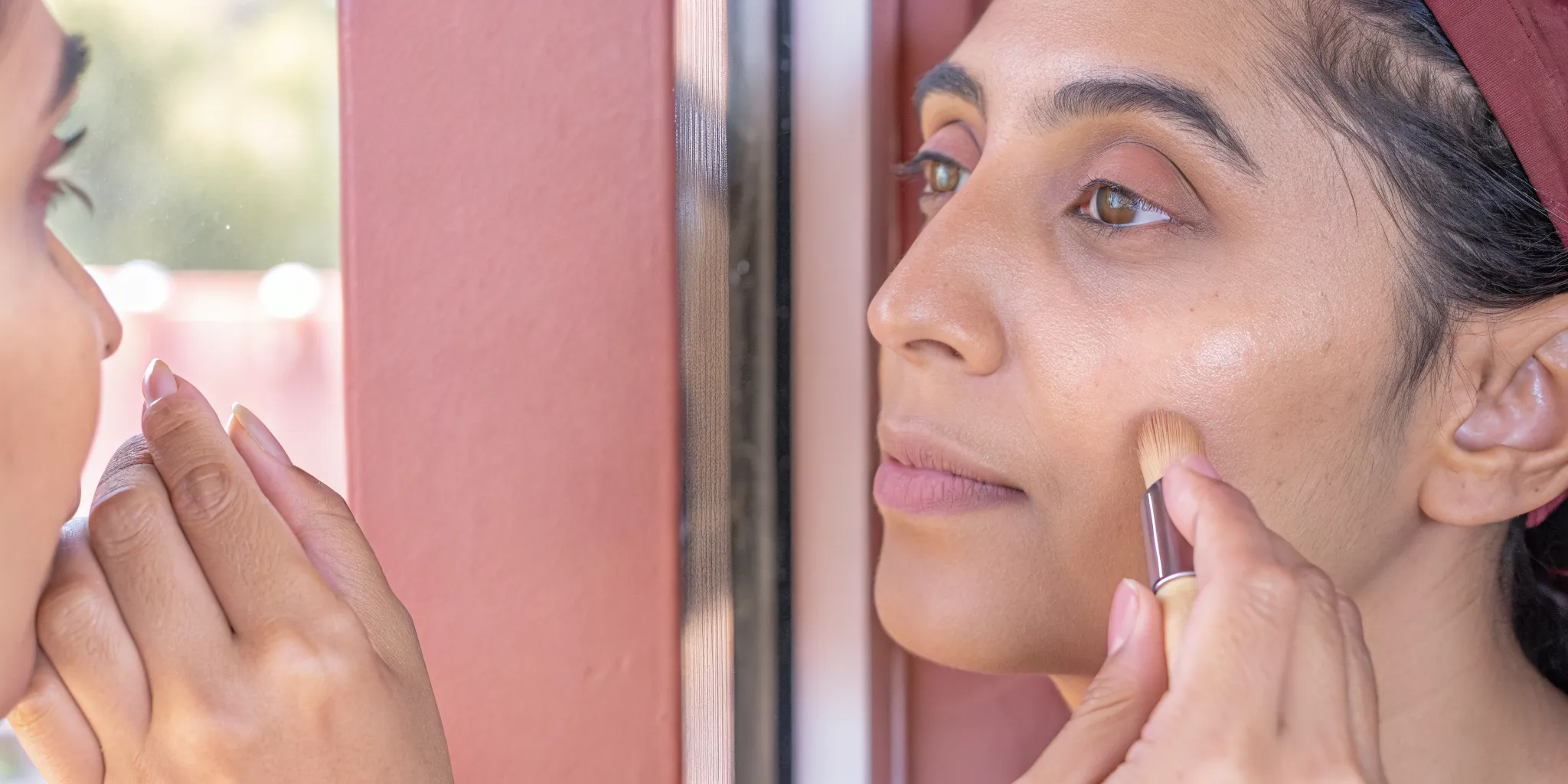
Complexion products can even the skin, but a face without any warmth or flush may look less natural than it did at the start. Cheek and lip color bring life back into the look. The most seamless result comes from choosing tones that feel related rather than treating each feature as a separate statement.
Begin with a small amount of cheek color and place it where you naturally flush. For many people, that means the rounded part of the cheek blended gently outward. Others prefer color slightly higher for a lifted effect. Either placement works when the edge is diffused and the color remains sheer.
Let your undertone guide the palette
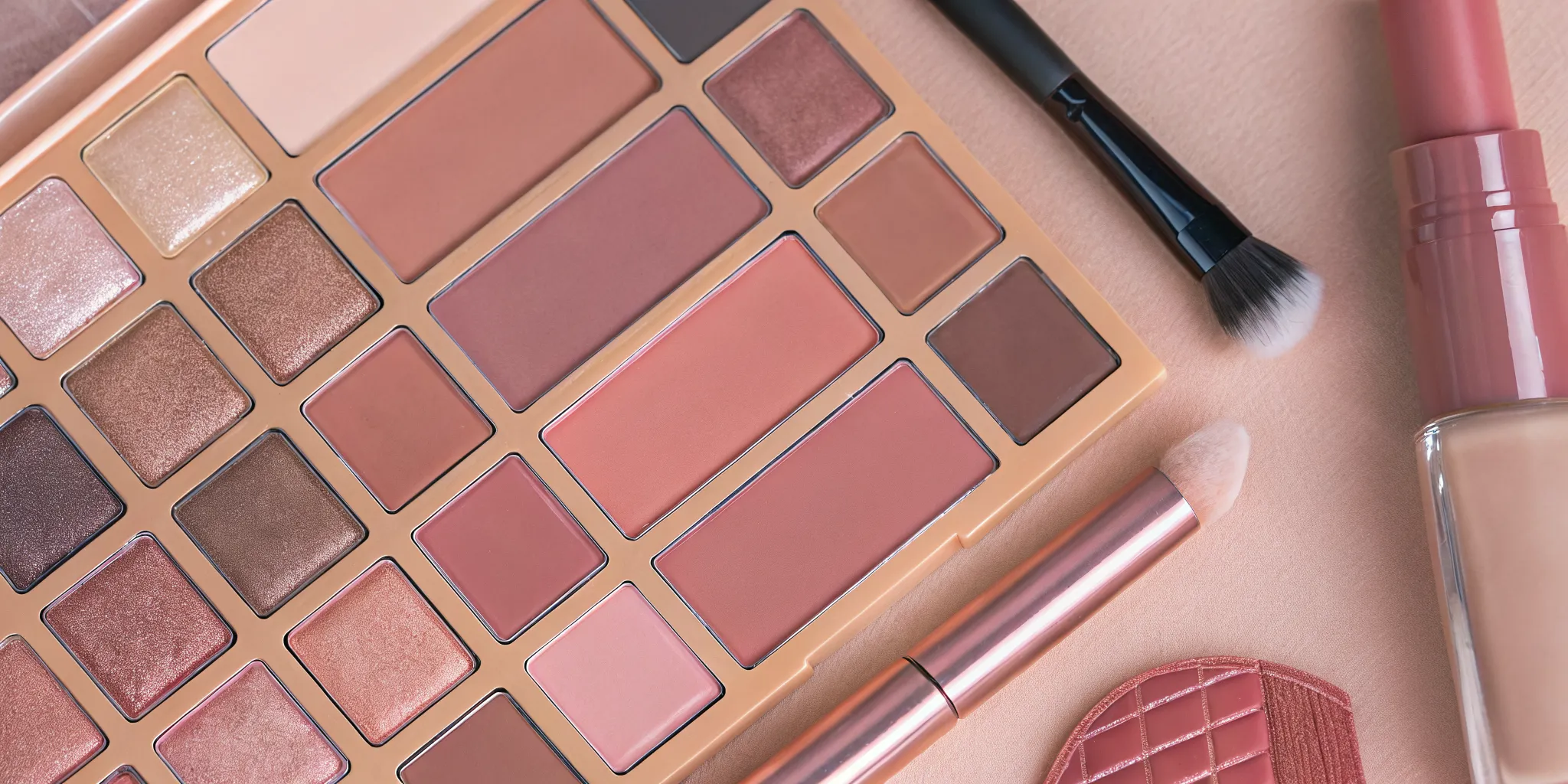
A nude shade is not one fixed beige. Nude colors may lean rosy, peachy, warm brown, neutral, or cool. Compare the shade with your natural lip color and the way your skin flushes. A related tone tends to look harmonious, while a strongly contrasting undertone can become the focus of the face.
Apply lip color in a way that keeps the natural lip texture visible. You can press color into the center and soften it toward the edges, or use a light, even layer. If you define the lip line, avoid making it much sharper or darker than the rest of the look. The lips should look cared for and balanced, not outlined.
Coordination is useful when you want the routine to feel simple. Nude Envie's approach to complementary nude shades makes it easier to think in a complete palette rather than isolated products. Explore the best-selling makeup for inspiration, or explore the makeup collections to create a set around the shades you enjoy.
After adding lips and cheeks, reassess the whole face. If the eye definition now feels too strong, soften it instead of adding more color elsewhere. If the complexion looks flat, add a small amount of cheek color rather than extra coverage. A convincing result comes from this quiet back-and-forth.
Explore Nude Envie best sellers for coordinated, natural-looking color.
How can you adapt no makeup makeup for real life?
A routine becomes useful when it can flex with the day ahead. The same core ideas apply everywhere: light layers, soft edges, and a coordinated palette. What changes is the finish, the placement, and the few items you choose to carry.
| Setting | Best adjustment | What to carry |
|---|---|---|
| Work or meetings | Keep shine controlled in the center of the face and add gentle eye definition. | Lip color and a small touch-up powder. |
| Errands or weekends | Use targeted coverage, brushed brows, and one coordinated cheek-and-lip tone. | Lip color only. |
| Travel | Choose comfortable textures and avoid building layers before a long journey. | A simple multi-step touch-up kit that fits your routine. |
| Evening | Add slightly more depth near the lashes and refresh cheek color while keeping edges soft. | Lip color and eye definition. |
Adjust for your skin throughout the day
Real skin changes as the hours pass. If one area becomes shiny, blot before adding more product. If another area begins to feel dry, avoid piling powder over it. Small corrections preserve the natural finish better than applying a fresh full layer.
Weather also affects the look. On warm days, use fewer creamy layers and set only the places that need help. In dry conditions, keep the base light and avoid overworking areas where texture becomes visible. These choices are less about rigid skin-type rules and more about observing what your face needs that day.
For a five-minute version, choose the steps with the greatest impact. That may be spot coverage, brows, cheeks, and lips. Another person may skip complexion coverage and focus on lashes and a fresh lip. A routine that reflects your priorities will feel easier to repeat.
Common mistakes that make natural makeup look obvious
The fastest way to improve a no makeup makeup routine is to remove the details that announce themselves. Most mistakes come from applying too much at once or trying to make every feature equally polished.
Using one thick complexion layer
A full, opaque base may cover variation, but it also covers the signs that make skin look real. Start sheer and add only where needed. If you have already applied too much, press over the skin with a clean, slightly damp sponge to lift and soften the excess.
Choosing colors that are too pale
A nude lip or cheek shade should not erase the face. Very pale beige can drain natural warmth and make the rest of the makeup more obvious. Look for a nude with enough rosy, peach, brown, or neutral depth to relate to your coloring.
Making every edge perfectly sharp
Hard brow blocks, crisp lip outlines, and visible blush borders all work against an effortless effect. Blend the edges while preserving the center of the color. This gives the feature shape without creating a drawn-on appearance.
Adding more instead of reassessing
When the look feels unfinished, the answer is not always another product. Step back and decide which single area needs balance. You might need to soften an eye, add warmth to the cheek, or remove shine. Editing one feature often brings the whole face together.
Book a virtual beauty consultation for personalized shade guidance.
Frequently asked questions about no makeup makeup
What products do you need for no makeup makeup?
You need only the products that support your own features. A practical routine may include light or targeted complexion coverage, brow definition, subtle eye color, mascara, cheek color, and a nude lip. You can skip any step that does not improve the finished look.
Can you create the look without foundation?
Yes. Many people use skincare and sun protection as the base, then apply concealer only where they want added coverage. Leaving most of the face bare can create an especially believable finish when the edges of the concealer are blended well.
How long should the routine take?
Once you know your preferred steps, a simple version can fit into a short morning routine. The goal is not a specific time. It is to choose a repeatable set of steps that works for your schedule and can be touched up with ease.
How do you choose the right nude shades?
Look at the natural tones already present in your lips, cheeks, and skin. Decide whether they lean rosy, peachy, warm, cool, or neutral, then explore shades that relate to those tones. For personal guidance, book a virtual beauty consultation.
Build your effortless Nude Envie look
Your best no makeup makeup routine should feel polished, personal, and easy to live in. Start with the features you love, add only what brings balance, and choose coordinated nude shades that still look like you.
Book a virtual beauty consultation
Get personal help selecting a natural palette and building a routine around your preferences.