Natural Makeup: A Fresh, Radiant Everyday Guide
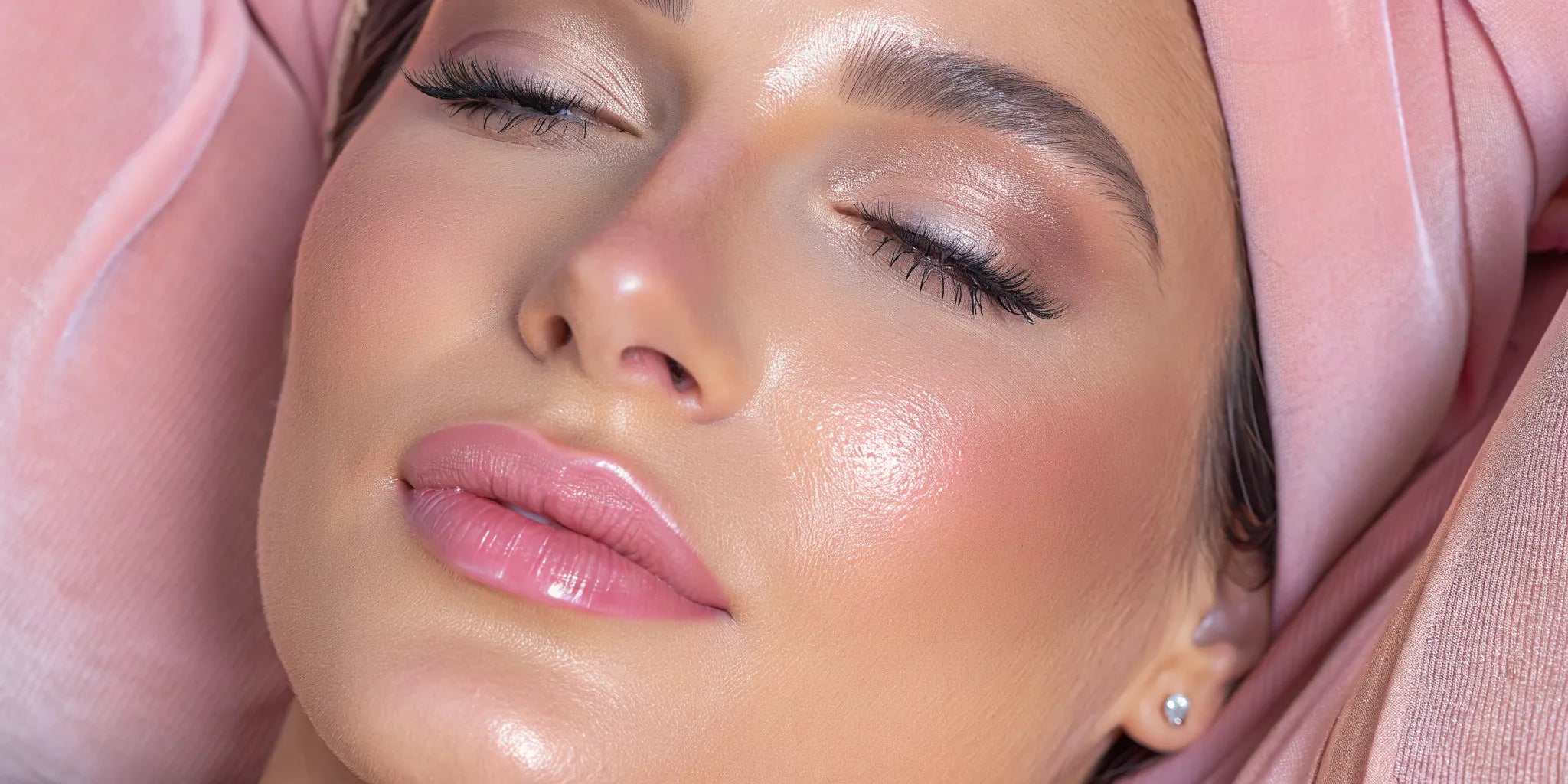
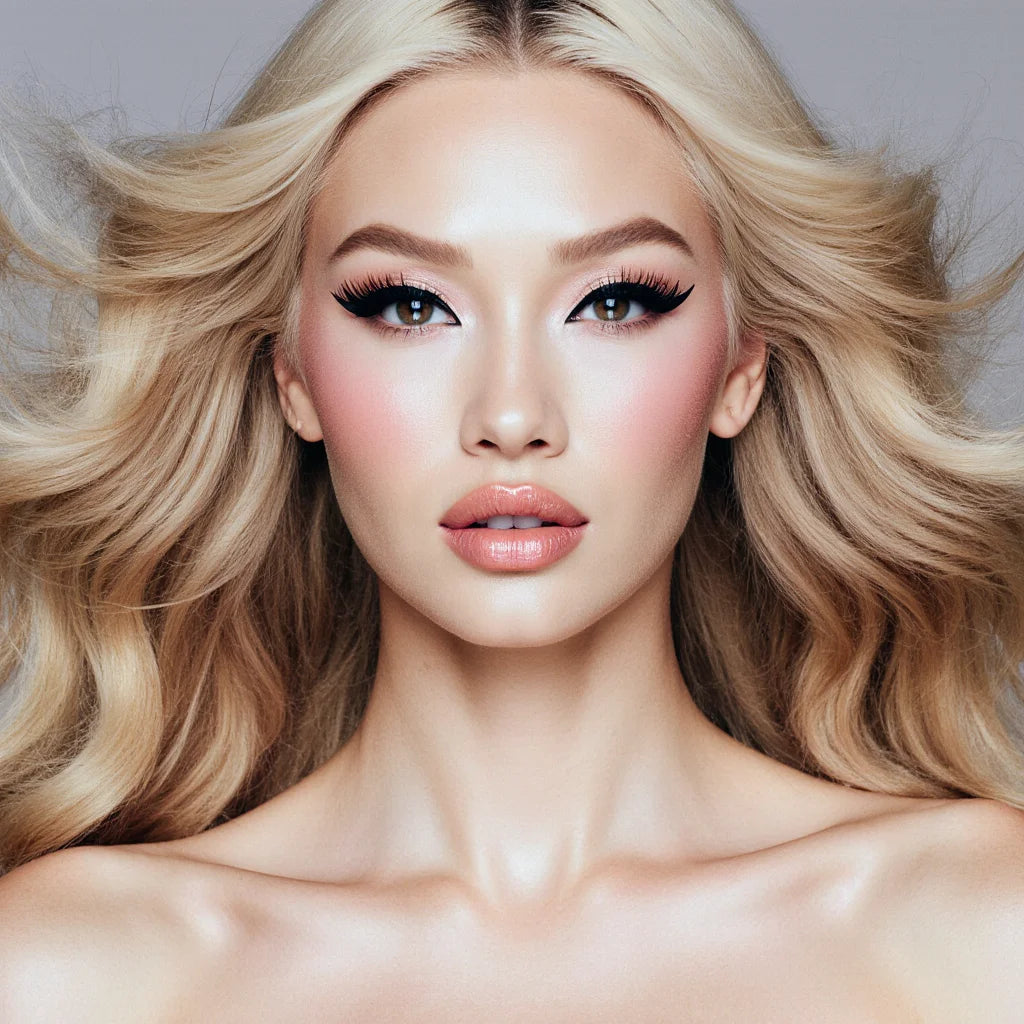
A convincing natural makeup look is not simply less makeup. It is a deliberate balance of sheer coverage, softly defined features, and nude shades chosen for your skin's depth and undertone. The result should look polished in daylight while still showing the details that make your face your own.
Book a 1-on-1 beauty consultation to find the nude shades that suit your features.
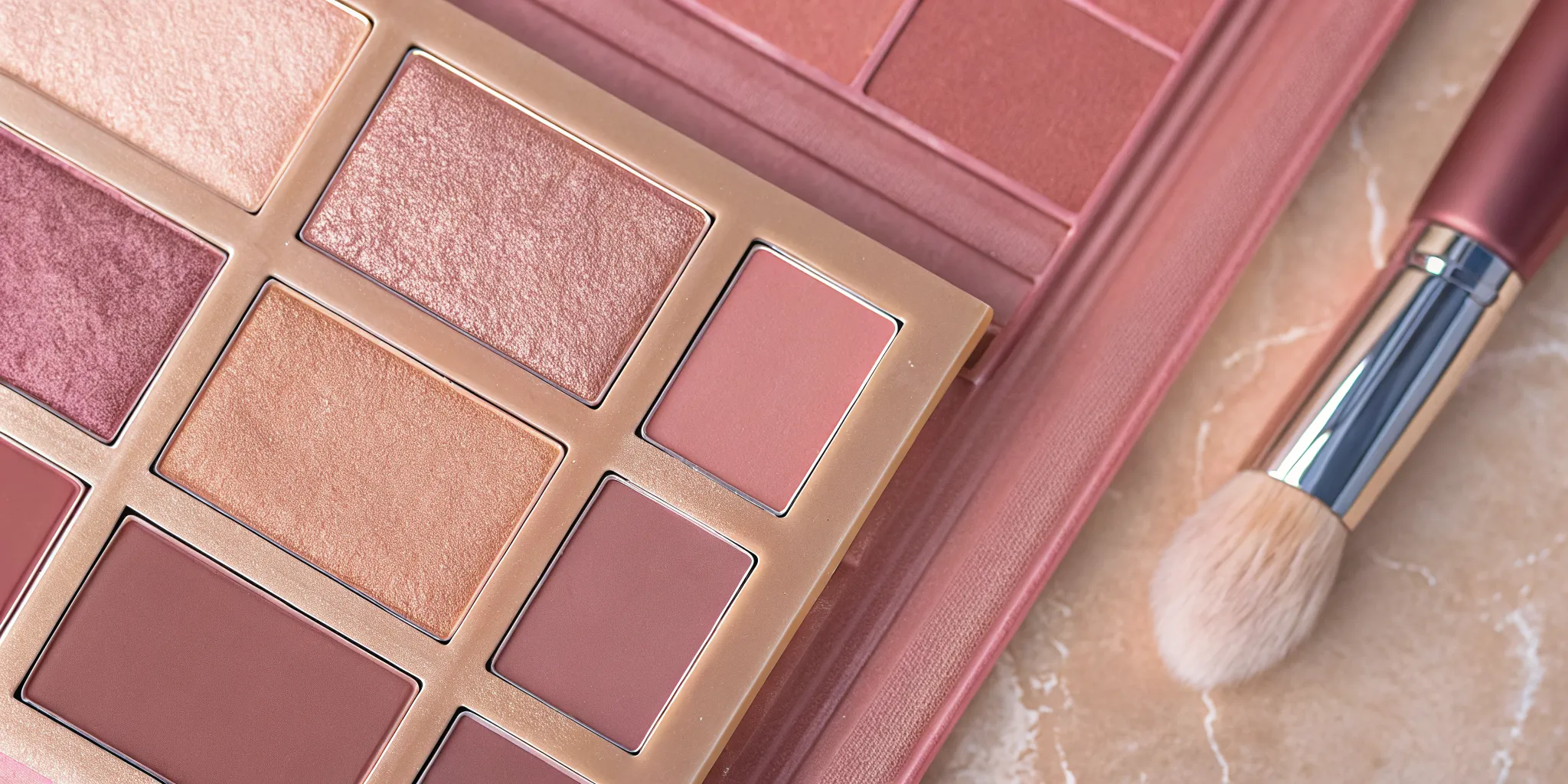
Natural makeup enhances rather than conceals. Begin with hydrated skin, apply coverage only where needed, then use coordinated cheek, eye, brow, and lip shades in thin layers. Match each color to your undertone and depth, blend every edge, and check the finished look in natural light.
What makes a makeup look appear natural?
A natural finish depends on placement, proportion, and texture. Full coverage across the entire face can flatten its natural variation. Strategic coverage preserves that variation while softening redness, uneven tone, or shadows. Likewise, one carefully blended cheek shade usually looks more believable than several strongly defined layers.
The term can also describe product formulas associated with naturally derived ingredients, but that is separate from the visual style. A product's ingredient list does not determine whether the finished look appears subtle. For the look itself, technique and shade selection matter most.
Key takeaway: Let real skin remain visible wherever you do not need correction. A soft finish comes from precise application, not from skipping every product.
Use light layers instead of one heavy layer
Thin layers give you control. Start with the smallest practical amount of base product and blend it outward. Pause before adding more. If a particular area still needs coverage, add a second light layer only there. This method keeps the center of the face refined without making the jawline or hairline look coated.
Apply concealer with the same restraint. Place it on a shadow or spot, allow it to sit briefly, then tap the edge until it disappears into the surrounding skin. Avoid spreading concealer far beyond the area you want to correct. Wider application can make a small correction look more obvious.
Coordinate color across the face
Cheek, eye, and lip colors do not need to match exactly, but they should look related. A shared rosy, peach, beige, or brown direction makes the face feel balanced. Nude Envie focuses on curated nude and feminine shades, which can make this coordination easier than mixing unrelated colors from a large palette.
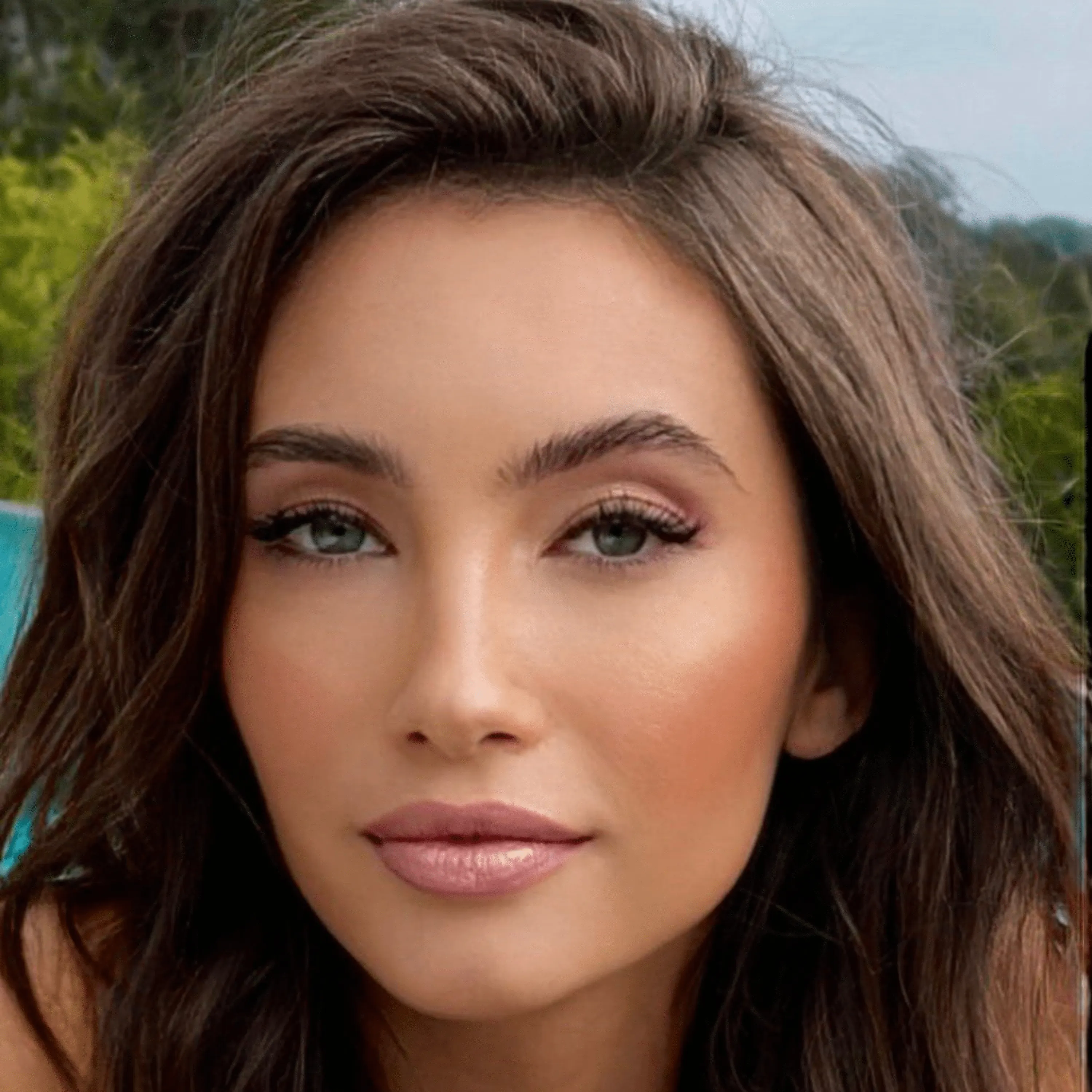
Think of nude as a family of colors rather than one pale beige. A suitable nude may be pink, caramel, mauve, peach, cocoa, or another muted tone. The right choice adds quiet definition without turning gray, orange, or chalky against your complexion.
Prepare a smooth, comfortable base
Skin preparation affects how every product applies. Makeup catches on dry patches, separates over excess oil, and moves when skincare has not settled. A short, consistent preparation routine is more useful than applying many layers immediately before makeup.
Cleanse, moisturize, and allow time to settle
Begin with clean skin and a moisturizer appropriate for how your skin feels that day. Spread it evenly, especially around the nose, mouth, and under-eye area, where texture is often more visible. Allow the moisturizer to settle before moving on. The surface should feel comfortable, not slippery.
Apply your usual broad-spectrum sunscreen as the final skincare step during the day. Follow its label directions and let it set before makeup. If your base pills or rolls, the issue may be too much product, incompatible textures, or not enough settling time. Removing the loose product and restarting with thinner layers is usually cleaner than piling more makeup over it.
Key takeaway: A natural finish starts with a stable surface. Give skincare time to settle, then use makeup to refine rather than repair the base.
A practical natural makeup routine
This routine moves from broad corrections to small details. Keep a clean sponge, brush, or fingertip available for blending, and step back from the mirror after each stage. Close-up inspection helps with precision, but normal viewing distance tells you whether the whole look is balanced.
1. Even the complexion selectively
Place a sheer base where tone is most uneven, commonly around the center of the face, then blend toward the edges. Leave areas that already look even uncovered. If you prefer not to use a base, spot concealing can create a polished result on its own.
For under-eye coverage, correct the deepest shadow rather than painting the entire area. Keep the layer thin near fine lines and tap rather than drag. On blemishes, use a small brush or fingertip to place coverage exactly where needed, then soften only the border.
2. Add cheek color where a flush naturally appears
Smile gently to identify the rounded area of the cheek, then relax your face before placing color. Blend upward and outward with a light hand. Keeping the strongest color slightly away from the nose generally creates a cleaner effect. If you apply too much, use the tool from your base step to soften it rather than covering it with a thick new layer.
Choose a muted shade that relates to your undertone and lip color. The Nude Envie article on creating radiant-looking cheeks with blush offers more ideas for making cheek color part of a cohesive look.
3. Define the eyes without hard edges
Use a soft shade close to your natural lid or crease color. Sweep it across the lid or blend it through the crease to create quiet dimension. Deepen the outer corner only if needed. The transition should fade gradually, with no clear stripe between shadow and bare skin.
For lash definition, work a small amount of liner or deeper shadow close to the lash roots rather than drawing a thick line above them. Curl lashes if desired, then apply mascara with attention to separation. Groom brows in their natural direction and fill only visible gaps. A few hair-like strokes look softer than a sharply outlined block.
4. Finish with a balanced nude lip
A useful everyday nude is often close to the natural color of your lips, with enough contrast to keep the face from looking washed out. Test whether the shade connects with your cheek color and overall undertone. If the lip appears too pale, add depth. If it dominates the look, blot or soften the edge.
Precise lip liner can improve shape without looking severe. Choose a shade close to the lip color, trace the natural border, and blend the line inward before applying color. For a softer result, tap color onto the center and diffuse it toward the edges.
Choose shades by undertone, depth, and finish
Shade names are useful starting points, but they do not tell the whole story. The same pink or brown can look different depending on its undertone, depth, and finish. Evaluate all three before deciding whether it belongs in your routine.
| Feature to assess | What to look for | How to use it |
|---|---|---|
| Undertone | Warm, cool, or balanced color beneath the skin | Choose related cheek and lip shades so they look harmonious rather than disconnected. |
| Depth | How light or deep a shade appears against your complexion | Use near-skin shades for subtle definition and slightly deeper shades for shape. |
| Finish | Matte, satin, luminous, or glossy reflection | Place luminosity selectively and use softer finishes where you want less emphasis. |
| Contrast | The visible difference between a color and your skin | Keep contrast moderate for daytime, then deepen one feature when you want more impact. |
Assess shades in useful light
Check color near a window or in another source of balanced light. Warm indoor bulbs can make colors appear more golden, while cool light can make them appear grayer. Look at the full face rather than judging one swatch in isolation. A shade is successful when it supports the entire look.
Undertone tests based on wrist veins or jewelry can offer clues, but they are not definitive for everyone. Comparing actual shades on your skin is more useful. If you want guidance, Nude Envie's 1-on-1 beauty advice can help narrow the options.
Balance finish with skin texture
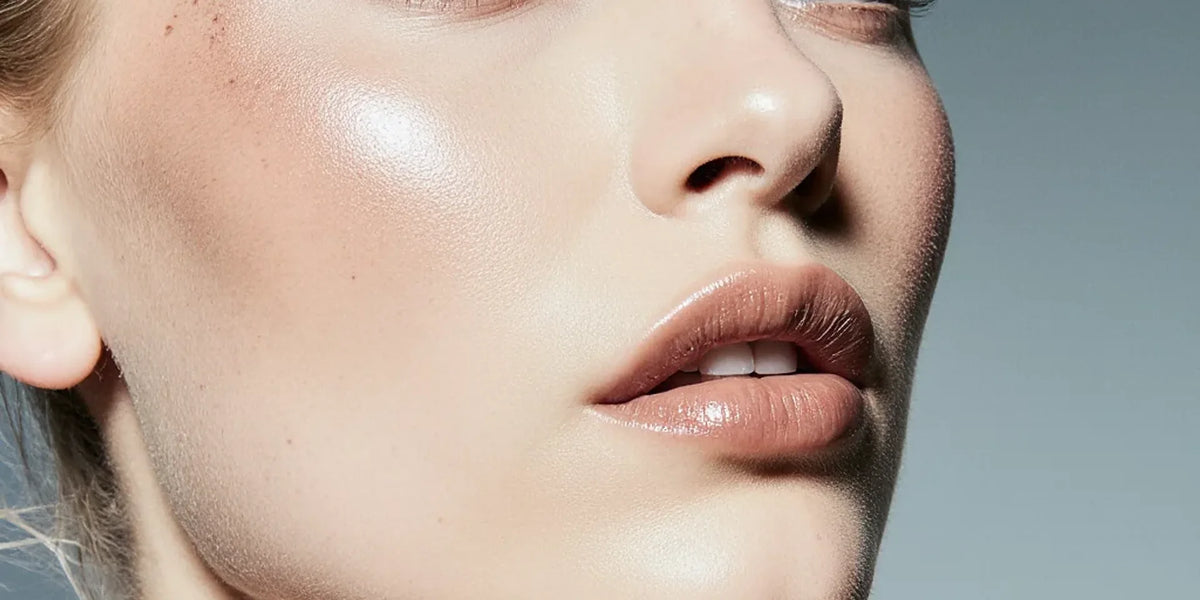
Finish changes where the eye lands. Luminous products reflect light and draw attention, while matte or satin textures tend to recede. If you want the cheekbones to stand out, place luminosity there rather than across the entire face. If texture is prominent in one area, a softer satin finish may be more flattering than strong shimmer.
A natural look does not have to be uniformly dewy. You can keep the center of the face more controlled and allow selected high points to retain a gentle sheen. The goal is intentional variation, similar to the way bare skin naturally reflects light.
Key takeaway: The best nude shade is not necessarily the palest one. It is the shade whose undertone, depth, and finish complement your complexion without overwhelming it.
Build a focused, versatile makeup wardrobe
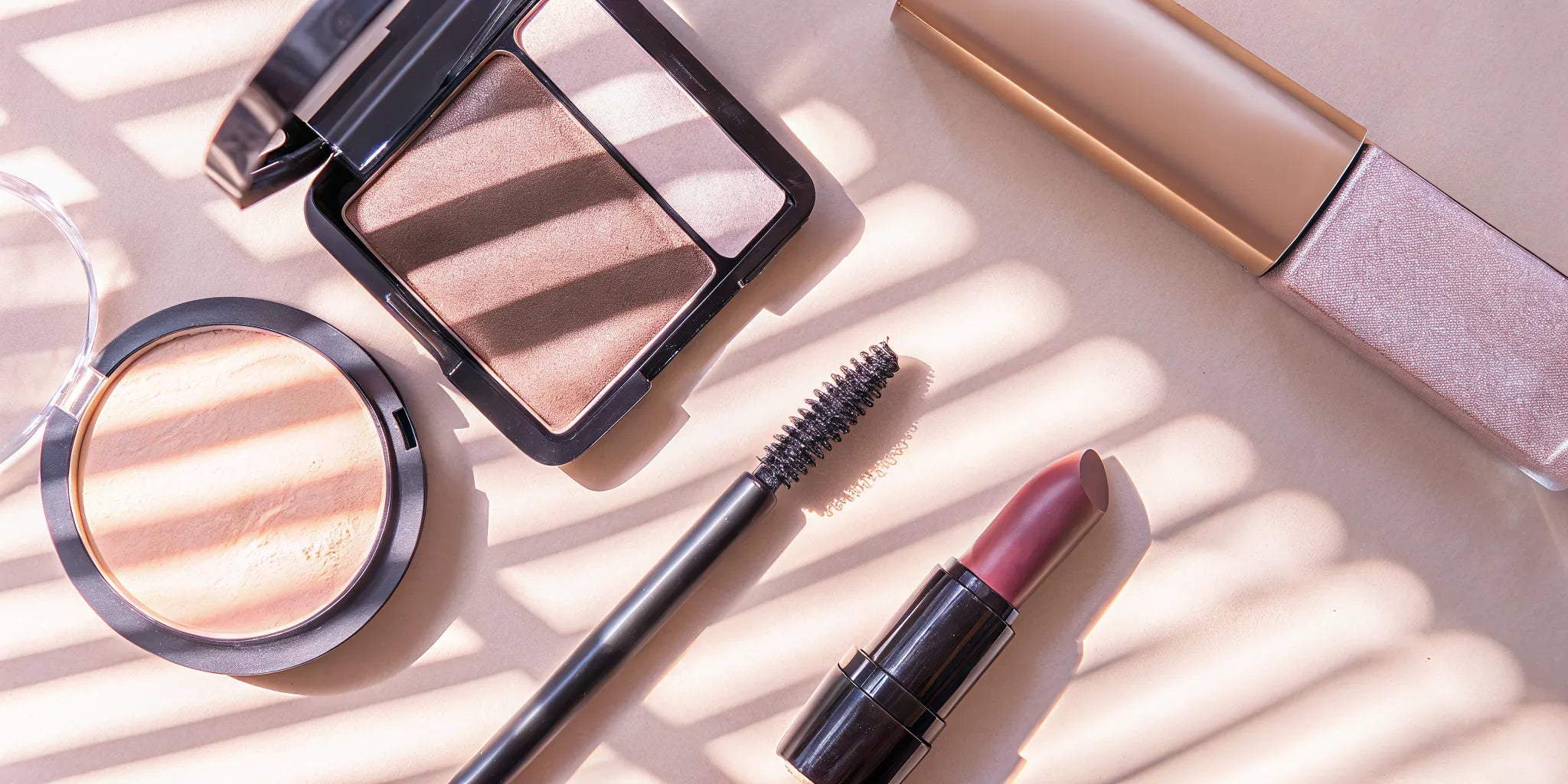
A smaller group of coordinated products makes daily decisions easier. Start with what you actually use: complexion coverage, a cheek shade, one or two eye shades, brow definition, mascara, and a lip color. Add products only when they solve a specific need or create a genuinely different look.
The most versatile items can shift in intensity. A muted eye shade can be worn sheer in the daytime and layered at the outer corner for evening. A lip color can be blotted for a stain or applied more precisely for polish. A coordinated cheek color can connect both versions of the look.
Nude Envie's guide to an essential nude makeup kit can help you decide which categories deserve a place in your routine. The brand's overview of high-performance natural cosmetics also provides context for shoppers exploring formula preferences.
Use a daytime-to-evening adjustment plan
You do not need to rebuild the face to move from daytime to evening. First, blot or touch up only where the base has shifted. Then deepen one area: add definition near the lashes, layer the outer eye shade, or choose a richer lip. Reinforce blush only if the stronger feature makes the face look unbalanced.
Keeping the adjustment focused prevents the natural character of the look from disappearing. It also makes your kit more practical, since the same coordinated shades work across different settings.
Common mistakes and precise fixes
The base looks heavy or cakey
This usually comes from too much product, too much powder, or repeated layers over texture. Press a clean, slightly damp sponge over the area to lift excess and blend edges. Next time, begin with less base and add coverage only after the first layer has settled.
The nude shades look flat or washed out
A nude that is too close to the skin in both depth and undertone can erase definition. Choose a lip or cheek shade with slightly more depth, then repeat a related tone around the eyes. The change should restore dimension without introducing a bold, unrelated color.
The features do not look connected
Review cheek, eye, and lip colors together. If one is much warmer, cooler, or brighter than the others, soften it or replace it with a related shade. Also check the edges. Even well-matched colors can appear disconnected when one area has a hard border and the others are diffused.
The result disappears too quickly
Apply thin layers and let each one settle before the next. Use powder sparingly where movement or shine is most likely, rather than coating the whole face. Carry only the item you expect to refresh, such as lip color, instead of repeatedly adding every product throughout the day.
Frequently Asked Questions
What products are essential for a natural makeup look?
Start with a light base or concealer, a coordinated cheek shade, a soft eye color, brow definition, mascara, and a nude lip. You may not need every category each day. Choose the few products that address your priorities and apply them in thin, blended layers.
How can I make natural makeup look polished?
Concentrate on precision. Even the complexion only where needed, groom the brows, define the lash roots, and blend every visible edge. Coordinating the undertone of cheek, eye, and lip shades makes a subtle look feel intentional rather than unfinished.
How do I choose a nude lip color?
Look for a shade related to your natural lip color and complexion, then assess its undertone and depth in balanced light. If it makes you look washed out, choose a slightly deeper or richer option. Pairing it with a related cheek shade helps it feel cohesive.
Can natural makeup work for an evening look?
Yes. Keep the fresh base, then deepen one feature. Add definition near the lashes, layer a deeper eye shade at the outer corner, or use a richer nude lip. Adjust the cheek color only as needed to keep the full face balanced.
A strong natural makeup routine should feel repeatable, flattering, and specific to your features. Nude Envie's coordinated approach to nude shades can help simplify the process, but careful placement and blending are what make the finish convincing.
Book a 1-on-1 beauty consultation with Nude Envie for personalized shade guidance.