Metallic Eyeshadow Stick: Soft Day to Night
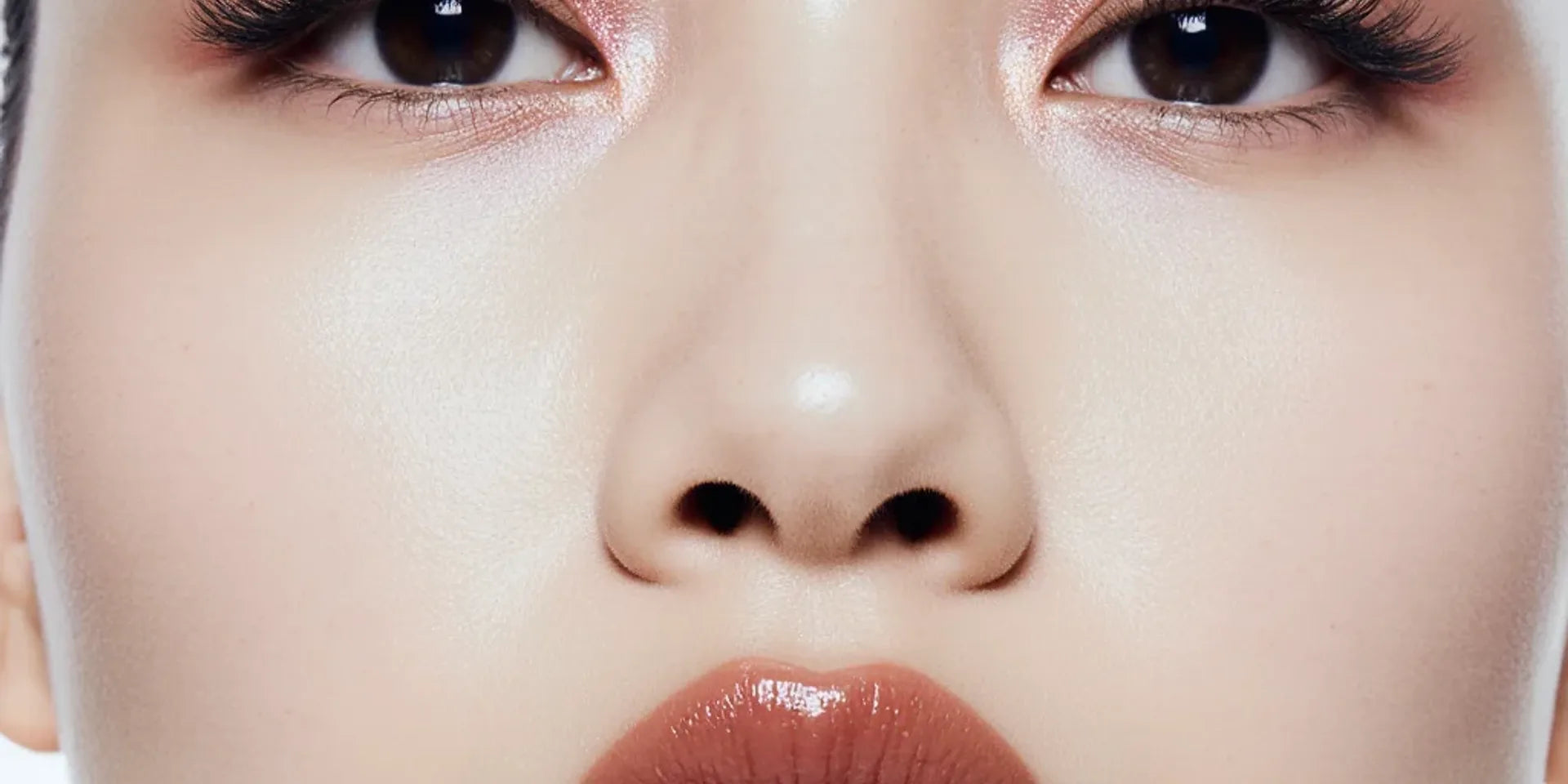
The first time I wear a metallic eyeshadow stick, I do not want a disco-ball lid before breakfast. I want that quick, polished flash of light that makes the eyes look rested, then enough control to deepen it later without starting over. The difference is rarely the shimmer itself. It is placement, pressure, and knowing when to stop.
Explore Nude Envie eye makeup for your next luminous look.
Quick answer: Use a metallic eyeshadow stick in a thin layer on a prepared lid, soften the edges immediately, and let each layer set before adding more. Keep the brightest pigment close to the lash line or center of the lid for daytime. For evening, deepen the outer corner and lash line rather than covering the entire eye in heavy shimmer.
This is the routine I use when I want an eye look that can move from a coffee meeting to dinner. We will cover the right texture, a clean daytime application, layering, crease control, undertone-friendly color choices. And the small wear tests that tell you whether a stick deserves a place in your makeup bag.
Why a metallic eyeshadow stick is easier than it looks
A stick format gives you a lot of control in a small package. You can draw color where you want it, tap out the edges with a fingertip, and build intensity without carrying a palette, several brushes, and a separate shimmer. That direct application is useful, but it also means the first mark can set the shape of the whole look.
Look for a formula that glides without tugging, deposits even color, and stays workable for a short blending window. A creamy first swipe should not feel wet for hours. Nor should it become stiff before you have softened the border. The finish should reflect light in a smooth veil, not leave large particles scattered below the eye.
I judge metallic texture in ordinary daylight first. A shade can look gorgeous under a bright vanity bulb and suddenly look patchy beside a window. Turn your face slightly from side to side. The light should travel across the lid evenly, with no bald stripe where the stick skipped over texture.
The finish matters more than maximum sparkle
Metallic, shimmer, and glitter are not interchangeable. Metallic color has a more continuous reflective effect. Shimmer looks softer and more diffused. Glitter has distinct particles that can read as festive, but may need more careful placement. For a polished nude look, I usually prefer metallic or fine shimmer because it gives dimension without competing with the rest of the face.
Use the same test on your hand and eyelid. If the product looks smooth on the back of your hand but catches around the inner lid. Apply less and press it in rather than dragging it across the skin. The most luxurious result is often the thinnest one.
How do you apply a metallic eyeshadow stick for daytime?
Daytime shine works best when it follows the natural shape of the eye. You do not need a perfect graphic line. You need a controlled wash that brightens the lid while leaving the crease soft and the lash line defined.
- Start with a clean, dry lid. Skincare can leave a slippery film that makes a creamy stick move too much. Blot gently if needed. If you normally use eye primer, apply a thin layer and allow it to settle before adding color.
- Draw in short strokes. Place the stick from the lash line toward the crease, stopping below the fold for a restrained daytime look. Short strokes are easier to control than one long sweep.
- Tap, do not scrub. Use a fingertip or small flat brush to press the edges until they look diffused. Keep the center of the lid more opaque if you want the metallic effect to catch light.
- Keep the inner corner intentional. Add a tiny amount near the inner corner only if the formula stays smooth there. Too much product in this area can gather when you blink.
- Balance the lash line. Curl lashes or add your usual mascara. A soft brown or neutral liner can give the eye enough definition without turning a sheer metallic wash into a full evening look.
The key is to work one eye at a time. Cream formulas have a blending window, and leaving the first eye untouched while you draw the second can make the two sides set differently. I apply, tap, compare, and then repeat.
How can you layer metallic shadow without making it heavy?
Layering should add dimension, not simply add thickness. The most wearable method is to place the first layer where you want the shape. Soften it, and then reserve the second layer for the center lid, outer corner, or lash line.
Use three levels of intensity
| Level | Placement | What it looks like | Best use |
|---|---|---|---|
| Soft wash. | Thin veil across the lid. | Low-key sheen. | Daytime and minimal makeup. |
| Focused shine. | Center lid and inner third. | Bright dimension. | Lunch, events, or a quick lift. |
| Evening definition. | Lash line and outer corner. | More contrast. | Dinner and low lighting. |
For the soft wash, swipe once and blend the perimeter. For focused shine, press a second layer over the center of the lid with your fingertip. Pressing keeps the reflective finish concentrated. Dragging can lift the first layer and create a thin patch.
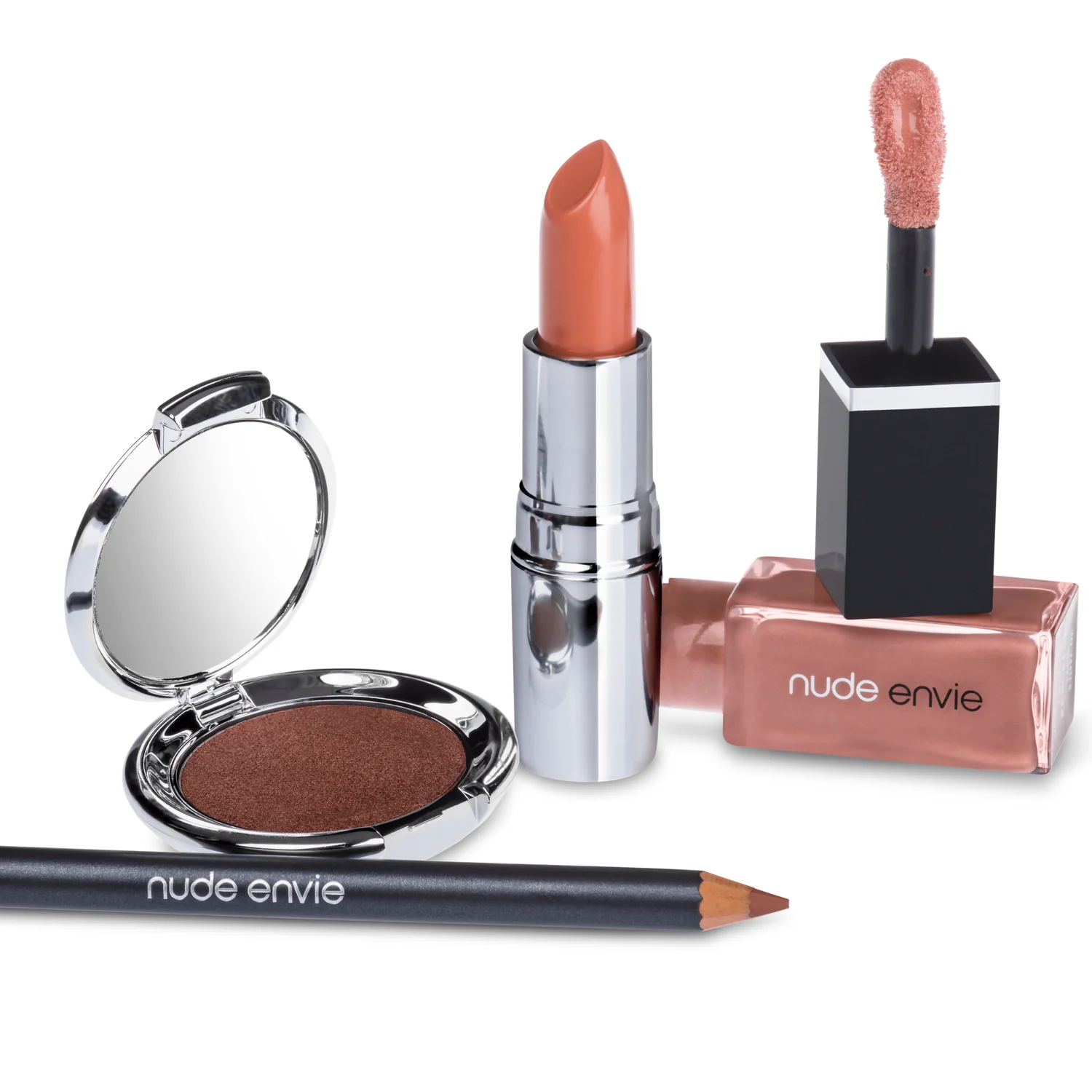
For evening definition, add a deeper matte or satin shade at the outer corner and along the upper lash line. Nude Envie eye shadows are described in the brand's product information as highly pigmented, long-wearing, buildable mattes. They can provide a useful contrast to a luminous stick finish. Browse the Nude Envie eye collection for a coordinated shade direction instead of forcing every part of the look to be metallic.
When I want more drama, I deepen the frame first. A darkened lash line and softly shaded outer corner make a single metallic accent look more intentional than a thick layer from lash line to brow bone.
Crease control starts before the eyeshadow stick
Creasing is not always a formula failure. Natural lid movement, skincare, oil, heat, and too much product can all contribute. The best prevention is a thin base and sensible placement.
Prepare the lid for movement
Give eye cream and moisturizer time to absorb. If the lid still feels slick, lightly press it with a clean tissue or use a small amount of primer. Avoid applying a thick, emollient layer directly beneath a creamy stick unless you know the combination works for you.
Keep the product below the deepest fold of the crease for daytime. If you draw all the way into a moving fold, the formula has more wet surface to gather against. For hooded eyes, look straight ahead while the product is still workable. Place the shine where it remains visible when the eye is open, then soften the upper edge.
Set strategically, not everywhere
Powdering the entire lid can dull the metallic finish. Instead, use a matte powder shadow above the crease if you need extra grip or definition. Leave the main reflective area creamy unless your specific formula instructs otherwise. You can also use a small brush to press a compatible powder shadow over the outer corner and lash line, where movement tends to break up definition first.
Check the look after ten minutes, then again after a few hours. If it has gathered in one line, tap the crease gently with a clean fingertip and remove the excess before adding more. Do not keep layering over a crease that has already formed. That turns a small correction into a thicker, more visible fold.
Which metallic shades suit your undertone?
Undertone is a helpful starting point, not a strict rule. The shade should also relate to your skin depth, eye color, wardrobe, and the mood you want. Still, a little color theory can keep metallic makeup from looking disconnected from the rest of your face.
- Warm undertones: Try champagne gold, bronze, honey, copper, and warm peach. These shades echo golden or olive warmth and look especially polished with a soft brown crease.
- Cool undertones: Look toward silver, icy champagne, rosy taupe, mauve, and soft plum. A cool metallic can brighten the lid without turning orange against pink or blue undertones.
- Neutral undertones: You have room to move between both families. Balanced champagne, taupe, rose gold, and soft bronze are easy places to begin.
Depth matters as much as temperature. A pale metallic may look like a bright highlight on deeper skin, while bronze, copper, pewter, or a richer rose can give more visible contrast. On fair skin, a very bright silver can be striking but may need a soft matte transition to keep the result from looking stark.
Nude Envie's color-based approach groups products around warm, cool, and neutral preferences. That makes the cool nude collection and warm nude collection useful places to compare the surrounding color story, especially when you want the eye, cheek, and lip tones to feel coordinated.
How do you make the look last through a real day?
A wear test should mimic your life, not a studio swatch. Apply the shade before you run errands, sit near a warm window, commute, or spend several hours looking down at a screen. Notice where the product moves and whether the fade is graceful.
There are four things I watch for. First, does the color settle only in the natural crease, or does it migrate across the lid? Second, do reflective particles fall beneath the eye? Third, does the edge stay soft, or does it break into a visible ring? Finally, does the eye still look balanced after the brightest center has softened?
If the stick fades evenly, a small touch-up can restore the look. Keep a cotton swab in your bag for cleanup, and carry the stick only if the cap closes securely. For an evening refresh, tap a little product on the center of the lid rather than redrawing the entire shape. Add mascara last if you need to wake up the lash line.
Do not judge wear by an untouched eight-hour finish alone. A comfortable product that softens evenly can be more useful than an intensely fixed formula that looks dry or flakes when the eye moves. I would rather see a little less sparkle at dinner than a hard, cracked edge at noon.
Three metallic eye looks I would actually wear
The polished daytime wash
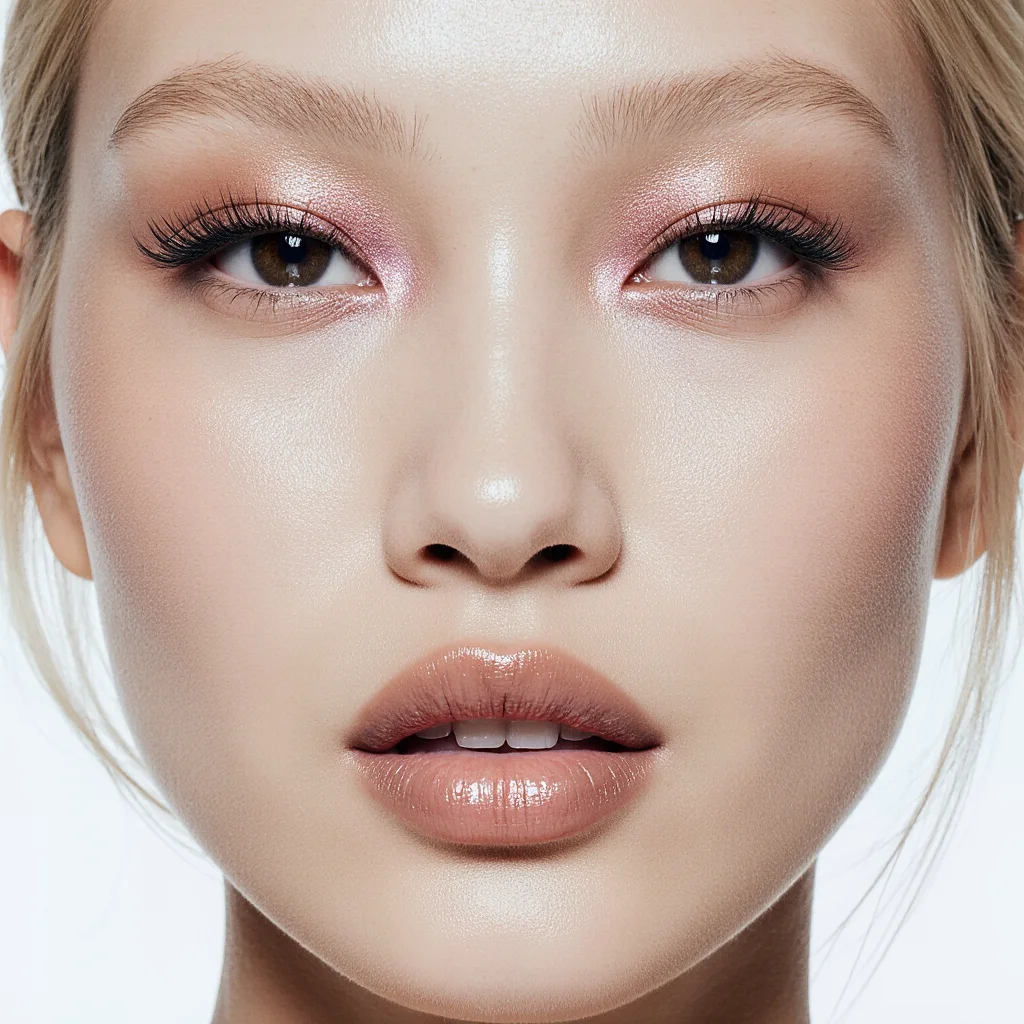
Use a neutral champagne or soft bronze in one thin layer across the mobile lid. Tap the border with a fingertip, add a matte transition just above the crease, and finish with mascara. Keep the cheek and lip fresh and quiet so the lid catches light without taking over.
The focused center-lid glow
Start with a taupe or soft brown matte through the crease. Add a metallic shade from the inner corner to the center of the lid, then press a second layer only at the center. The result has a visible point of light when you blink, but the outer corner remains softly defined.
The dinner-ready frame
Lay down a sheer metallic wash, then deepen the outer third with a matte brown, bronze, or muted plum. Press the stick close to the upper lash line and blur the lower edge with a small brush. Add another touch at the center of the lid. This gives you evening definition without turning the whole eye into one dense block of shine.
For a coordinated finish, pair the eye with one of Nude Envie's nude lip or cheek directions rather than introducing a competing bright color. The brand's product range is designed around coordinated natural-looking makeup, which is exactly the kind of restraint that lets a metallic eye look expensive.
Book a Virtual Beauty Consultation for a more personal shade edit
Frequently Asked Questions
Can you wear a metallic eyeshadow stick for a natural makeup look?
Yes. Apply one thin layer below the crease, soften the edges immediately, and keep the brightest color close to the center of the lid or lash line. A champagne, taupe, soft bronze, or muted rose shade usually reads more naturally than a very bright glitter finish.
Should you apply a metallic eyeshadow stick before or after foundation?
Apply it before foundation if you are concerned about fallout or want to clean the under-eye area easily. Apply it after foundation when the formula is controlled and you are comfortable working neatly. If you do your base first, use less product and avoid rubbing the finished under-eye area during blending.
How do you stop a metallic eyeshadow stick from creasing?
Use a clean, dry lid, a thin primer layer if needed, and less product in the crease. Keep the reflective color on the mobile lid, soften the upper border quickly, and set only the areas that need extra grip. If a crease appears later, tap away excess instead of layering over it.
Can you use powder eyeshadow with a metallic eyeshadow stick?
Yes. Use powder matte or satin shadow to build the crease and outer corner, then reserve the stick for the lid. You can also press a compatible powder over the lash line or outer edge to add structure. Layer slowly so the powder does not make the cream look thick or uneven.
What is the best metallic eyeshadow stick shade for your undertone?
Warm undertones often suit gold, bronze, copper, and warm peach. Cool undertones can try silver, icy champagne, rosy taupe, mauve, or soft plum. Neutral undertones can move between both families. Choose based on depth as well as undertone, and compare the shade in natural daylight before committing to a full look.
The best metallic eye is the one you can control. Start sheer, soften the edges while the formula is fresh, and add brightness only where you want the eye to catch light. That approach turns a quick swipe into a look that can stay polished from morning through evening.