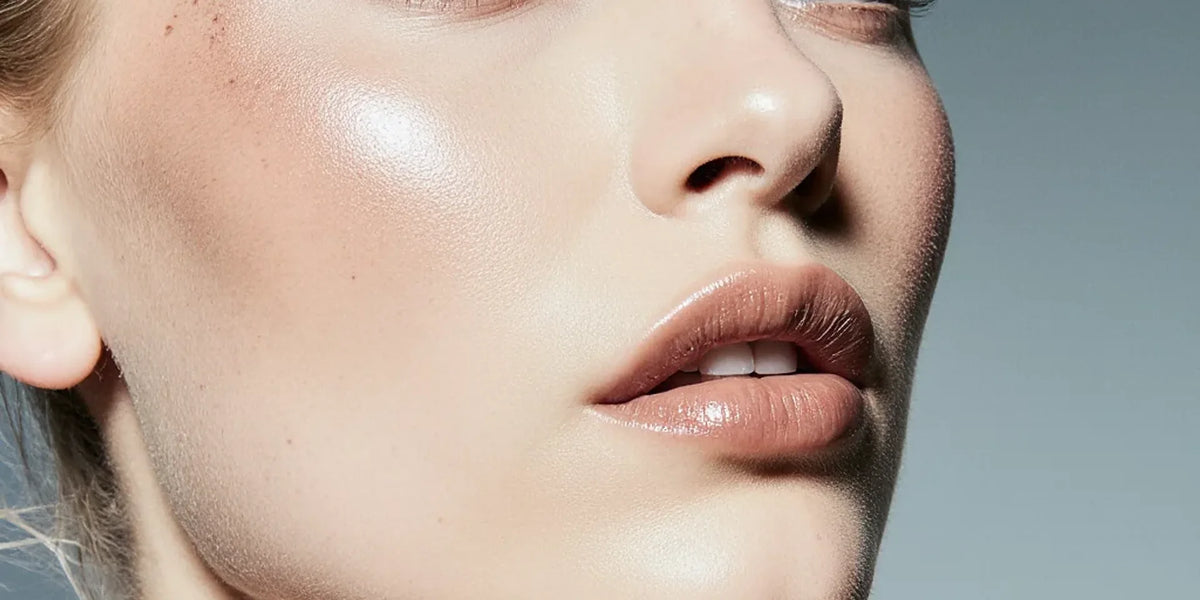
The Ultimate Guide to Makeup Shades for Tan Skin

Let's clear up a common myth: finding makeup for tan skin isn't just about choosing a darker shade. It's about understanding warmth, depth, and undertone. The wrong undertone is what leads to that ashy or orange finish, no matter how high-end the product is. As your guide, I want to demystify this process for you. We'll move past the trial-and-error and get straight to what works. This is your complete handbook for selecting the best makeup shades for tan skin, packed with simple tests to find your undertone, pro application tips, and product recommendations that will give you a radiant finish every time.
Key Takeaways
- Start by Identifying Your Undertone: Before choosing any makeup, figure out if your skin is warm, cool, or neutral. Simple methods like checking your vein color or seeing which jewelry metal flatters you most will guide you to your perfect shades.
- Choose Warm, Saturated Colors: Tan skin looks most radiant in shades with warm undertones. Look for peachy-corals, rich bronzes, and brown-based nudes that have enough pigment to complement your complexion without looking ashy.
- Prioritize Smart Testing and Blending: Always test foundation on your jawline in natural light to find a true match. For a flawless, second-skin finish, use a damp sponge to gently press products into your skin, ensuring there are no harsh lines.
How to Find Your Skin's Undertone
Finding the right makeup shades can feel like a guessing game, but it doesn't have to be. The secret isn't just about matching your skin's surface color; it's about understanding your undertone. This is the subtle hue beneath your skin that never changes, whether you’re tan in the summer or paler in the winter. Knowing if you lean warm, cool, or neutral is the key to choosing foundation, blush, and lipstick that look like they were made for you. Luckily, you don't need to be a makeup artist to figure it out. Here are three simple, at-home tests to help you discover your skin's true tone.
Try the vein test
This is one of the quickest and most classic ways to get a read on your undertone. Find some natural light and take a look at the inside of your wrist. What color are your veins? If they appear mostly blue or purple, you likely have a cool undertone. If your veins look more greenish, you’re probably in the warm-toned family. Seeing a mix of both blue and green? That points to a neutral undertone, meaning you can wear a wider range of shades. This simple vein test is a great starting point for decoding your skin's natural coloring.
Use the jewelry approach
Your jewelry box can tell you a lot about what colors flatter you most. Think about which metals truly make your skin glow. If you find yourself reaching for gold pieces because they bring out a warmth in your complexion, you likely have a warm undertone. On the other hand, if silver and platinum jewelry seem to brighten your skin, you probably have a cool undertone. If you can pull off both gold and silver without a second thought, you’re most likely neutral. This jewelry approach is an intuitive way to see which tones harmonize best with your skin.
Compare white vs. off-white clothing
For this test, head to your closet. Grab one piece of clothing that’s pure, stark white and another that’s off-white or cream. In natural light and with a clean face, hold each one up to your skin. Does the pure white make your skin look bright and clear, or does it wash you out? If pure white is your color, you’re likely cool-toned. If you find that off-white and creamy shades are more flattering and make your skin look healthier, you probably have a warm undertone. This comparison is a practical way to see how different shades interact with your skin, helping you choose the perfect blush and foundation.
How to Choose the Right Foundation Shade
Finding the right foundation can feel like a never-ending quest, especially for tan skin tones that have a beautiful, complex mix of undertones. The goal is to find a shade that melts into your skin, evening out your complexion without masking it. Choosing a foundation that’s too light can make your skin look ashy, while one that’s too dark creates that dreaded line along your jaw.
The key is to understand that your perfect shade will honor your natural coloring and undertones. It’s less about finding a color to cover your skin and more about finding one that seamlessly becomes a part of it. Once you’ve nailed down your undertone, you’re already halfway there. The next steps involve smart testing and maybe even a little custom mixing to get that flawless, second-skin finish. If you ever feel stuck, getting a second opinion can make all the difference. A virtual beauty consultation can provide personalized advice to help you find exactly what you need.
Identify your perfect match
The first step is knowing what you’re looking for. Your ideal foundation shade should disappear into your skin, creating a smooth and even canvas for the rest of your makeup. It shouldn't change your skin color, but rather enhance it. For many with tan complexions, the skin isn't one uniform color; it might be slightly lighter in the center of the face and a bit deeper around the perimeter. This is completely normal! Don't get discouraged if one shade doesn't seem to match every single spot. The goal is to find the shade that best unifies your overall skin tone, especially from your jaw down to your neck.
Test shades for an accurate color match
Forget testing foundation on your hand or wrist—the skin there is often a different color from your face. The best place to swatch is directly on your jawline. This spot allows you to see how the shade looks against both your face and your neck, ensuring a seamless transition. Apply two or three stripes of shades you think might work, then give them a minute to dry down, as some formulas can oxidize and change color. The most crucial step? Check the swatches in natural light. Walk over to a window or step outside to see the truest color match. The right shade will be the one that seems to vanish into your skin.
Mix foundations to create a custom shade
If you can’t find one perfect bottle, don’t be afraid to play chemist. Mixing two different foundation shades is a common technique makeup artists use to create a truly custom color. This is especially helpful for tan skin, which can change color between seasons. Consider investing in two foundations: one that matches you at your lightest and one that matches you at your deepest tan. This way, you can blend them to create the perfect shade for any time of year. This method also gives you the flexibility to adjust the undertone slightly, giving you complete control over your final look as you build your own collection of go-to products.
The Best Blush and Lip Colors for Tan Skin
Once you have your foundation sorted, the real fun begins. Choosing the right blush and lip colors can instantly brighten your complexion and pull your whole look together. For tan skin, the key is to lean into warmth. Shades that might look too intense on fairer skin often appear beautifully vibrant and natural on a warmer complexion. It’s all about finding colors that complement your undertones instead of fighting against them. Let’s get into the best shades to make your features pop.
Flatter your cheeks with warm coral and peach
To give your cheeks a healthy, natural-looking flush, think warm. Blushes with warm undertones will melt into your skin beautifully. Steer clear of cool-toned true pinks or purples, which can sometimes look ashy on tan complexions. Instead, reach for warm pinks like a soft rose, or peachy shades like apricot and coral. These colors add a sun-kissed glow that looks like it’s coming from within. Our cream blush in Ibiza Nude is a perfect peachy-pink that gives a radiant finish without overpowering your look. A touch of a red-brown shade like mahogany can also create a sophisticated, sculpted effect for the evening.
Enhance your lips with nudes and browns
Finding the perfect nude lipstick can feel like a quest, but it’s much simpler when you know what to look for. For tan skin, the most flattering nudes have warm undertones that lean toward brown, peach, or orange. These shades add warmth and definition to your lips without making you look washed out. Avoid nudes with cool, taupe undertones, as they can appear gray against your complexion. A great starting point is a shade slightly deeper than your natural lip color. Our lipstick collection features creamy, hydrating formulas in shades like Mesmerize and Nude that are specifically designed to complement warmer skin tones.
Make a statement with bold reds and berries
While a perfect nude is a must-have, sometimes you want your lips to be the center of attention. When you’re ready to go bold, tan skin looks incredible in vibrant, warm-toned colors. A classic red lip is always a showstopper; just look for one with orange or yellow undertones to keep the color bright and lively. For a deeper, more dramatic look, try a rich berry shade with hints of chocolate. These colors create a stunning contrast that highlights your smile. A swipe of a high-shine lip gloss over your chosen color can add dimension and make your bold lip even more impactful.
Find the Perfect Eyeshadows for Tan Skin
The right eyeshadow can make your eyes the star of the show, beautifully complementing your skin's natural warmth. For tan skin tones, the goal is to choose colors that provide rich pigmentation and enhance your golden or olive undertones, rather than washing them out. Forget about ashy, chalky shades that don't do you justice. Instead, think in terms of warmth, depth, and a touch of shimmer to really make your eyes pop.
Whether you’re aiming for a subtle, sun-kissed look for your daily routine or a dramatic, smoldering eye for a night out, there’s a perfect palette waiting for you. The key is to lean into colors that harmonize with your complexion. From gleaming metallics that catch the light to rich, earthy tones that add sophisticated definition, the right eye makeup can complete your entire look. Let’s explore the most flattering shades that will make you feel confident and radiant.
Add instant warmth with bronze and gold metallics
To enhance the natural warmth of tan skin, there’s nothing quite like the glow of metallic eyeshadows. Opt for colors like shimmering bronze, radiant gold, and warm copper. These shades contain beautiful flecks of light that catch the eye and add a touch of sparkle, perfectly complementing the warm undertones in your skin. A sweep of a gilded shadow across the lid can instantly brighten your entire face, making you look awake and luminous. These colors are incredibly versatile—you can wear them as a sheer wash for a daytime glow or build them up for a more intense, foiled effect for the evening.
Create an everyday look with warm neutral palettes
For a polished and sophisticated everyday look, warm neutral palettes are your best friend. Forget cool-toned grays or beiges that can look flat against your skin. Instead, reach for shades like soft peach, warm honey, and versatile red-brown nudes. These colors will enhance your features while maintaining a natural, effortless appearance. A matte peach on the lid can brighten your eyes, while a touch of a deeper brown in the crease adds soft definition. These shades are the foundation of a timeless makeup wardrobe, giving you endless options for simple yet stunning eye makeup looks.
Build dramatic depth with rich browns and plums
When you’re ready to create a more dramatic look, rich, deep shades are the way to go. Colors like decadent chocolate brown, velvety plum, and deep burgundy can create incredible depth and intensity. These warm, jewel-toned colors provide a beautiful contrast against tan skin, making your eyes the focal point. A warm, bronzy smokey eye or a look defined with a deep burgundy-brick shade works beautifully to accentuate your features. These powerful pigments are perfect for adding a touch of mystery and glamour to your evening makeup routine, ensuring you stand out in the best way possible.
Common Makeup Challenges for Tan Skin (and How to Fix Them)
Finding makeup that truly complements your skin shouldn't feel like a chore. Yet, many with tan complexions know the struggle of products that look ashy, orange, or simply disappear. The good news is that these common issues are easy to solve once you know what to look for. It’s all about understanding the nuances of your skin tone and choosing formulas with the right pigment and undertones. Let’s walk through some of the most frequent challenges and exactly how to handle them, so you can spend less time searching and more time enjoying a flawless finish.
How to avoid ashy or orange foundation
If you have tan skin, you’ve likely experienced the frustration of a foundation that looks just right in the bottle but turns strangely orange or ashy on your skin. This happens because many foundations fail to account for the beautiful golden, olive, or caramel undertones common in tan complexions. A foundation that’s too neutral or pink-based can create a grayish cast, while one that overcompensates with warm tones can look orange. The fix is to find a formula that specifically matches your undertone. Look for shades described as golden, warm beige, or olive, and always swatch along your jawline to see how it blends with your neck.
Find colors with the right intensity
Have you ever applied a pretty pink blush only to see it vanish into your skin? The intensity of your makeup matters. For colors to appear vibrant and true on tan skin, they need to have enough pigment. Sheer, light washes of color often don't have the depth required to show up. When choosing blush, lipstick, or eyeshadow, look for rich, saturated hues. Deeper shades of peach, warm corals, and rich berries will give your cheeks a natural flush, while pigmented nude lipsticks will define your lips without washing you out. Don’t be afraid of bold color—your skin can handle it beautifully.
Why you should test products in natural light
The fluorescent lighting in most stores can be incredibly deceiving. A shade that looks like a perfect match under artificial light might look completely different once you step outside. To get a true sense of a product’s color, always try to check it in natural daylight. After you apply a swatch to your jawline or hand, walk over to a window or head outdoors for a quick look. This simple step helps you see how the makeup really looks with your skin tone, preventing you from going home with a foundation that’s too light, dark, or the wrong undertone.
Move past trial-and-error frustration
Finding your holy-grail products can sometimes feel like an endless cycle of trial and error. It’s easy to get discouraged when shade after shade just isn’t quite right. Remember that you’re not alone in this—many people go through the same process. Instead of getting frustrated, think of it as a discovery process. And if you want to skip the guesswork entirely, consider getting some expert advice. A virtual beauty consultation can connect you with a professional who understands the complexities of tan skin tones and can give you personalized recommendations, saving you time, money, and a lot of hassle.
Application Tips for a Flawless Finish
Finding your perfect shades is a huge win, but how you apply your makeup makes all the difference. The right techniques can take your look from good to absolutely radiant, ensuring your foundation melts into your skin and your colors pop in the most flattering way. With a few simple adjustments to your routine, you can make sure your makeup enhances your beautiful tan skin.
Prep your skin and choose the right primer
A beautiful makeup look starts with happy skin. Before reaching for foundation, make sure to prep and moisturize your skin well. This simple step is the secret to preventing makeup from looking patchy or settling into fine lines. After cleansing and hydrating, a good primer will work wonders by smoothing your skin’s texture and giving your makeup something to grip onto for all-day wear. Look for a primer that offers a subtle, luminous finish to add to your skin’s natural radiance without looking ashy. This prep work ensures your makeup applies smoothly and looks fresh for hours.
Master blending techniques for your skin tone
The key to makeup that looks like a second skin is all in the blend. For liquid and cream products, like blush or bronzer, a damp beauty sponge is your best friend. Using a bouncing or stippling motion, gently press the product into your skin rather than wiping it across. This technique helps the makeup melt in seamlessly for an airbrushed effect. If you prefer brushes, choose fluffy ones for powders and denser brushes for creams, using light, circular motions to diffuse any harsh lines. The goal is to have no obvious start or end points, just a beautiful, even wash of color.
Create cohesive color combinations
To make your tan skin truly glow, stick with products that have warm undertones. This is the most important rule for creating a harmonious look. Think about pairing a warm, peachy blush with a complementary warm nude lipstick. Avoid blush colors with cool undertones like true pinks or purples, which can look stark against a warm complexion. Instead, opt for shades like apricot, coral, and rose. By keeping your lip and cheek colors in the same warm family, you’ll create a polished look that feels effortlessly beautiful. You can even build your own collection to ensure all your shades work together perfectly.
Build Your Ideal Makeup Collection
Creating a makeup collection that makes you feel confident shouldn't be a chore. Once you understand what works for your tan skin, you can start curating a set of go-to products that deliver a flawless look every time. Think of it as building a capsule wardrobe for your face—versatile, reliable, and perfectly suited to you. The key is to start with a solid foundation of essentials and then add pieces that let you play with different looks, from everyday radiance to evening glam. With the right products on hand, you’ll be able to create any look you want with total ease.
Start with these must-have products
When you’re just starting, focus on the essentials that will make the biggest impact. The most important rule is to choose products with warm undertones to make your skin glow. For your cheeks, select a blush in a warm peachy-coral or rosy-bronze shade. These tones add a natural-looking flush without appearing ashy. For your lips, you can’t go wrong with a peachy-coral nude or a warm bronze lipstick to enhance your natural warmth. These core products form the perfect base for any makeup look and ensure your features are beautifully defined.
Adjust your makeup for seasonal skin tone changes
It’s common for tan skin to change a shade or two between summer and winter. Instead of buying a whole new set of products, make small adjustments. You might need a foundation that’s a shade darker for the summer months, or you can keep a liquid bronzer on hand to mix into your usual foundation for a custom tint. The goal is to maintain a seamless match year-round. No matter the season, continue to choose products with warm undertones. This consistency will ensure your makeup always complements your skin, giving you that radiant, sun-kissed look whether it’s July or January.
Get personalized advice from a professional
If you’re still feeling unsure about which shades to choose, getting a second opinion can make all the difference. While online matching tools can be helpful, nothing compares to one-on-one advice from an expert who understands color theory. A professional can help you pinpoint your exact undertones and recommend products that will truly flatter your complexion. To get this kind of tailored guidance, you can book a Virtual Beauty Consultation with one of our experts. We’ll help you find your perfect shades so you can confidently build your own collection of makeup you’ll love and use.
Related Articles
- 12 Best Eyeshadows for Medium Skin Tone (2025) | Nude Envie
- The 5 Best Cream Blushes with Hyaluronic Acid | Nude Envie
- Best Eyeshadow for Fair Skin: The Ultimate Guide | Nude Envie
- The Best Nude Lipstick Shades for Fair Skin | Nude Envie
- 9 Best Nude Lipsticks for Fair Skin (2025) | Nude Envie
Frequently Asked Questions
What if I try the undertone tests and still can't figure it out? Don't worry, this is very common. If your veins look like a mix of blue and green or you feel you can wear both gold and silver jewelry, you likely have a neutral undertone. This is great news because it means a wider range of colors will flatter you. If you're still feeling stuck, try holding a pure white T-shirt up to your chest in natural light. If it makes your skin look vibrant, you lean cool. If an off-white or cream shirt is more flattering, you lean warm.
Does my undertone change when I get a tan? This is a great question, and the simple answer is no. Your skin's surface tone—how light or deep it is—will change with sun exposure, but your undertone is the permanent hue beneath the surface. This is why you might need a deeper foundation in the summer, but it should still have the same warm, cool, or neutral base as your winter shade to look natural.
Why does my foundation sometimes look great at first but then turn orange later in the day? This frustrating issue is called oxidation. It happens when the pigments in your foundation react with the natural oils on your skin and the air, causing the color to deepen or change. To avoid this, always test a new foundation on your jawline and wait at least 10-15 minutes to see how the color settles. A good primer can also create a barrier between your skin and the makeup, which can help minimize color change throughout the day.
Is it a strict rule that I can only wear warm-toned makeup? Think of it less as a strict rule and more as a reliable guideline for the most flattering look. Makeup is all about personal expression, so you should wear whatever makes you feel amazing. However, for a harmonious and natural look, sticking to colors that match your skin's undertone is the easiest way to ensure your blush, lipstick, and eyeshadow complement your complexion rather than clash with it.
What's the best way to find a nude lipstick that doesn't make me look washed out? The key to the perfect nude is choosing a shade with the right undertone that offers enough depth. For tan skin, look for nudes that have warm peachy, caramel, or rosy-brown undertones. Avoid nudes that are too light or have cool, grayish undertones, as these are often the culprits for that washed-out look. A great rule of thumb is to find a shade that is one or two steps deeper than your natural lip color.