Makeup for Older Women: Fresh, Natural Techniques
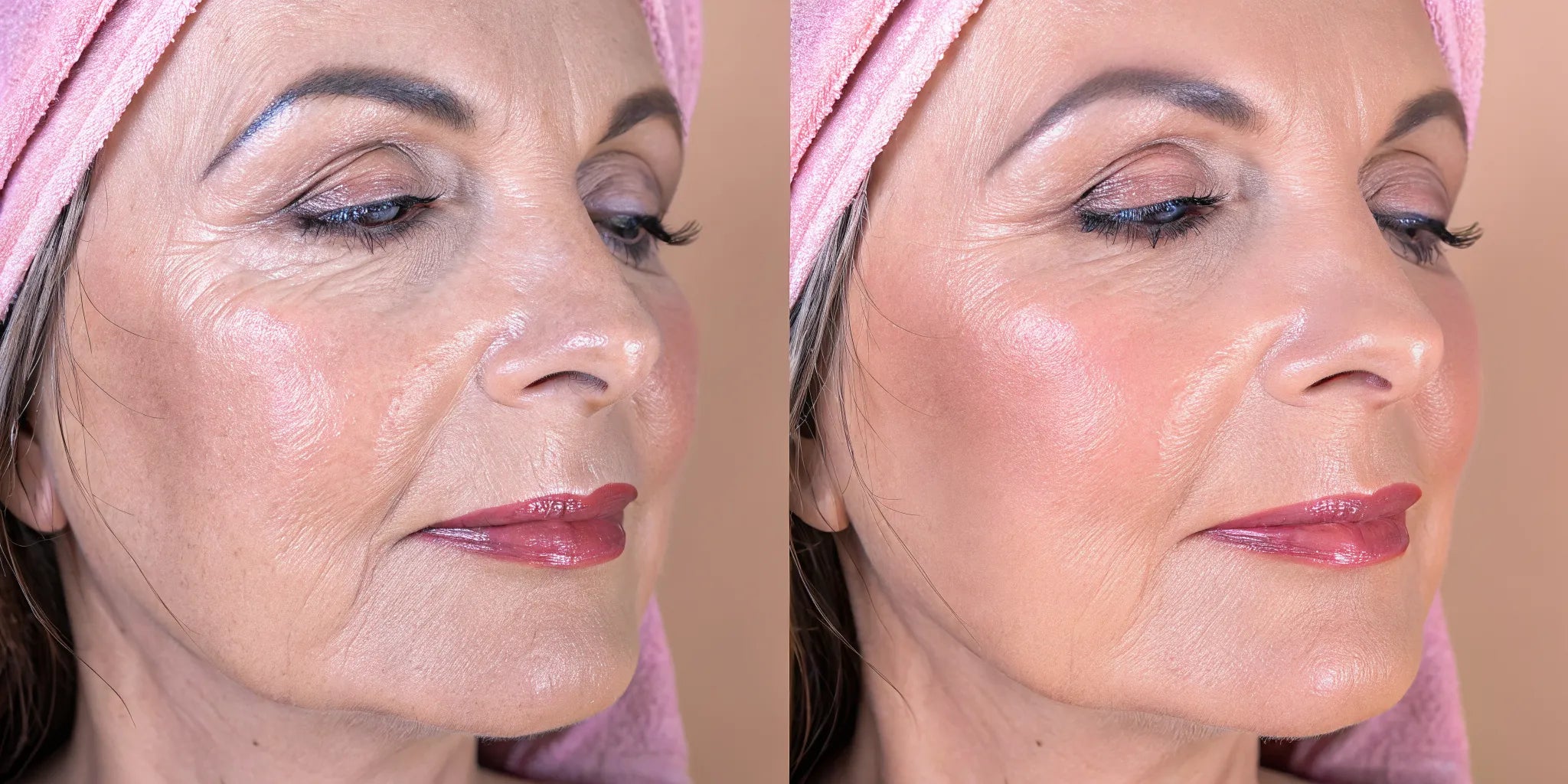
Embrace the natural radiance that comes with age by updating your makeup routine. The right techniques enhance your features without feeling heavy or artificial. It's about looking fresh and polished, reflecting your true self.
Modern makeup for older women focuses on hydration, light coverage, and strategic application to achieve a fresh, natural finish. As skin matures, it can become drier and lose some elasticity, making heavy foundations and powders less flattering. Techniques like using hydrating primers, liquid or cream products, and soft, diffused colors help minimize fine lines and enhance natural beauty. The goal is to brighten and lift the face while maintaining a youthful glow. Understanding how to adapt your product choices and application methods ensures your makeup looks effortless and elegant, celebrating your mature skin rather than trying to mask it.
Finding the best methods for your unique skin can make a big difference in how you feel and look. The path to achieving this starts with preparing your skin. Here's how to build a flawless base, which we cover in Prepping Mature Skin: The Essential Hydration Base.
Makeup For Older Women: Prepping Mature Skin: The Essential Hydration Base
As skin ages, its biology changes. It tends to become thinner and less elastic over time. This can make it drier and more prone to fine lines.
For makeup to look its best, proper skin preparation is key. It creates a smooth, hydrated canvas. This step is the foundation for any fresh makeup look on mature skin.
Aging Skin and Hydration Needs
Reduced natural oil production often comes with aging. The skin's barrier function also weakens. These changes can lead to increased moisture loss, making the skin feel tight or rough.
A good hydration base helps to replenish this lost moisture. It also protects the skin. This step is vital for a smooth makeup application that doesn't settle into lines.
Building Your Hydration Base
Start with a rich moisturizer. Look for ingredients like hyaluronic acid, glycerin, and ceramides. These help to draw in and lock moisture onto the skin. Apply it gently and let it absorb fully.
Next, use a hydrating primer. Primers create a smooth surface and help makeup last longer. They also add another layer of moisture. This keeps your skin comfortable and your makeup fresh all day.
If you need personalized advice on your skin's unique needs, consider a Virtual Beauty Consultation. Learning the right steps for your skin type is helpful.
Cream vs. Powder: Selecting the Best Textures for Aging Skin
Choosing the right makeup texture is key for aging skin. Cream and powder formulations offer different results. Understanding these differences helps you make the best choice for a smooth, youthful look.
Hydration and Finish
Cream products are often hydrating. They blend into the skin, offering a dewy or natural finish. This is helpful for skin that tends to be dry or lacks natural oils.
Powders can absorb oils. They provide a matte finish. While useful for oily skin, powders can sometimes settle into fine lines. This makes wrinkles appear more noticeable.
Settling into Fine Lines
Creams move with your skin. They are less likely to highlight wrinkles. Their emollient properties can even make the skin look plumper.
Powders, especially those that are thick or finely milled, may gather in lines. This can draw unwanted attention to texture and dryness. Opt for very sheer powders if you prefer them.
Ease of Application
Cream products are easy to apply with fingers, sponges, or brushes. They often require less blending time. This makes them a fast choice for daily routines.
Powders need precise application. A brush helps distribute the product evenly. Improper application can lead to a cakey look, especially on mature skin.
Cream vs. Powder Makeup for Mature Skin
| Factor. | Cream Formulations. | Powder Formulations. |
|---|---|---|
| Hydration. | Adds moisture, feels comfortable. | Can absorb oils, may feel dry. |
| Finish. | Dewy, natural, skin-like. | Matte, can look flat. |
| Fine Lines. | Less likely to settle, smooths appearance. | May settle into lines, highlights texture. |
| Application. | Easy to blend with fingers or brush. | Needs precise brush application. |
| Longevity. | Good wear, can need touch-ups. | Often long-wearing, can prevent shine. |
For most aging skin types, cream makeup is often the better option. Its hydrating nature helps keep skin looking fresh. It also avoids emphasizing fine lines. If you love powders, choose very finely milled, sheer versions. Also, use them sparingly. You can explore a variety of options among Best Sellers.
Flawless Complexion: Lightweight Foundation and Strategic Concealing
Achieving a flawless complexion with makeup for older women means choosing products and techniques that enhance natural beauty without settling into fine lines. Heavy, full-coverage foundations, though seemingly effective, can often highlight rather than hide skin textures and wrinkles. These types of foundations tend to create a mask-like effect, which can make skin appear older, not younger. Instead, focus on lightweight formulas that offer buildable coverage.
The key is to apply foundation only where it's truly needed, allowing your natural skin to show through in other areas. This approach creates a more radiant and youthful finish. Strategic concealing then targets specific imperfections, providing a polished look without overloading the face with product.
Why Avoid Heavy Foundations?
Heavy foundations can settle into fine lines and wrinkles, making them more noticeable throughout the day. This happens because thicker formulas contain more pigment and often have a drier consistency, which can emphasize any dryness or texture on the skin. They can also create a flat, matte appearance that lacks the natural glow often associated with youthful skin.
Additionally, full-coverage products can clog pores and feel uncomfortable, especially for mature skin that may be more sensitive. The goal is to create a smooth, even canvas that looks like skin, not like makeup. Choosing lightweight options allows skin to breathe and move naturally, preventing that heavy, caked-on look.
Strategic Concealing Steps
Concealing dark circles and blemishes requires a careful touch to avoid drawing attention to fine lines. The right technique ensures that makeup blends seamlessly and stays put without creasing. Using a moist sponge is crucial for a smooth application, preventing the product from settling into delicate areas.
Here are the steps for strategic concealing:
Choose the Right Concealer: Select a creamy, hydrating concealer that is one shade lighter than your foundation. For under-eye circles, opt for a peach or salmon-toned corrector first if needed, followed by your regular concealer.
Apply Sparingly: Use a small amount of concealer directly onto the areas needing coverage, such as under-eye discoloration or blemishes. For under-eyes, avoid applying concealer on the immediate lower lash line. This prevents it from settling into fine lines there.
Use a Moist Sponge: Gently tap and blend the concealer into your skin using a slightly damp sponge. The moisture helps the product melt into the skin for a seamless finish and prevents it from looking heavy or dry. This technique also helps to sheer out the product slightly, making it less prone to creasing.
Focus on Inner and Outer Corners: For dark circles, concentrate the product on the inner corner of your eye and the outer corner where shadows often appear. Blend upwards and outwards, avoiding the very center of the under-eye area unless absolutely necessary.
Set Lightly: If needed, set the concealed areas with a very thin layer of translucent setting powder. Apply with a fluffy brush, pressing gently rather than sweeping, to prevent disturbing the concealer. Explore your options when you Build Your Own Collection.
Eyeshadow and Eyeliner Techniques for a Lifted, Youthful Look
As we age, our skin changes, and so should our makeup approach. For a lifted, youthful appearance, focus on techniques that enhance your natural beauty without harsh lines. The goal is to create a soft, blended look that brightens and opens the eyes.
Choosing the Right Shades and Formulas
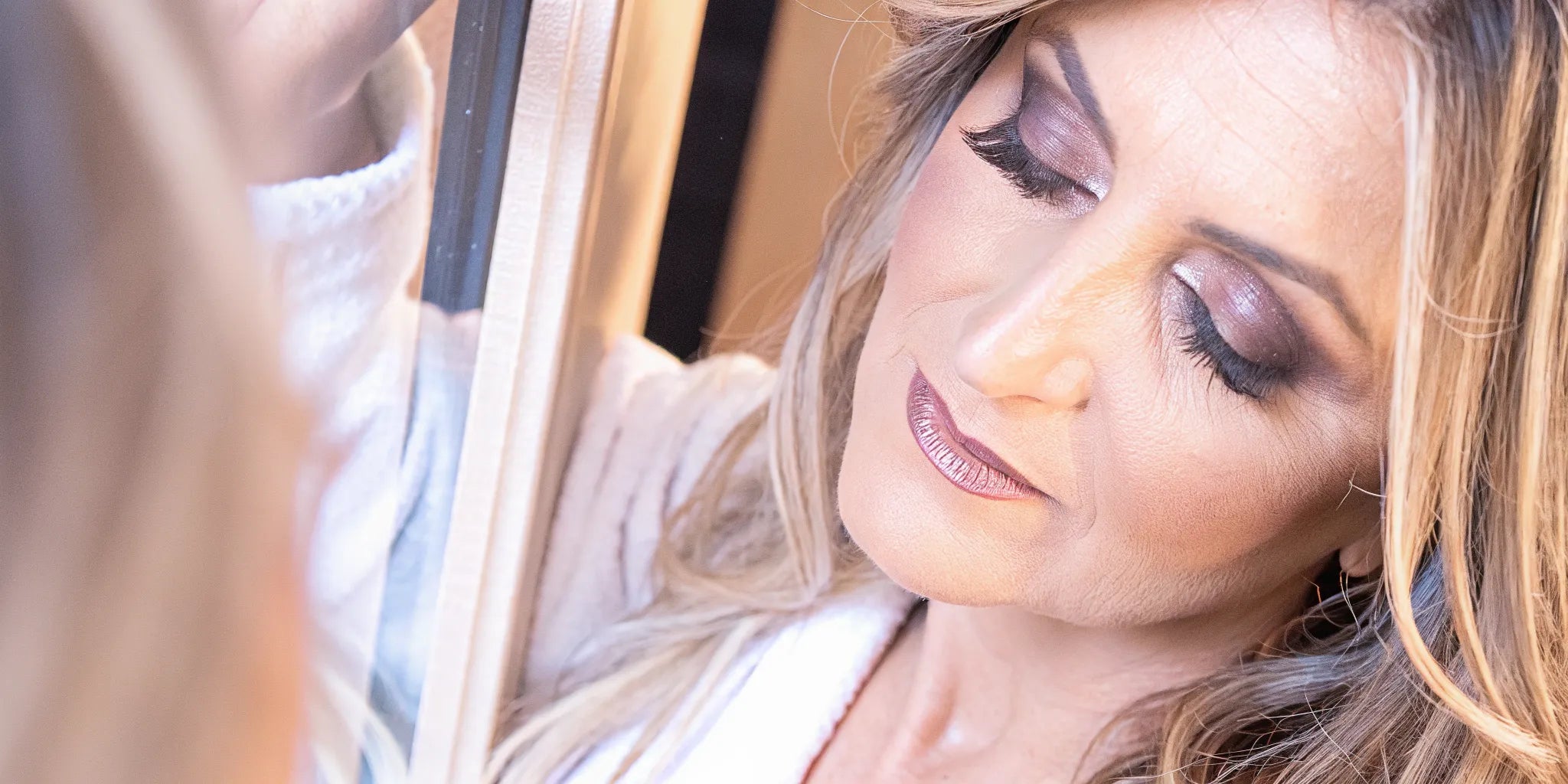
Select neutral eyeshadow shades like soft browns, taupes, and muted plums. Matte or satin finishes are often best, as shimmery or glittery shadows can highlight fine lines. Cream eyeshadows can also work well, offering a smooth application that resists creasing. For more options, explore best eyeshadows for mature lids.
When it comes to eyeliner, opt for soft pencils or gel liners over liquid formulas. Black can be too harsh; instead, choose brown, charcoal, or deep plum. These colors offer definition without making eyes appear smaller or heavy. For more tips on adapting your look, consider modern makeup techniques for mature skin.
Application Tips for a Lifted Effect
Start your eyeshadow by applying a neutral base color across the entire lid, from lash line to brow bone. Next, use a slightly darker matte shade in the crease, blending it upwards and outwards towards the tail of your brow. This helps to create the illusion of a lifted eye.
For eyeliner, avoid tight-lining the lower lash line entirely, as this can make eyes look smaller. Instead, apply a thin line of soft liner to the upper lash line, focusing on the outer two-thirds. Create a small, subtle wing that extends slightly upwards, following the angle of your lower lash line. This helps to give an upward lift.
Blending and Highlighting
Blending is key to a youthful look. Use a clean, fluffy brush to soften any harsh edges on your eyeshadow. Pay special attention to the crease and outer corners, ensuring a seamless transition between colors. Proper blending helps prevent a dated appearance.
Finish your eye makeup by adding a touch of a light, shimmery shade to the inner corner of your eyes and just under the arch of your brow. This brightens the eye area and creates a more open, refreshed look. For further guidance on eye makeup, explore makeup tips for mature hooded eyes.
Enhancing Lips and Cheeks with Warm, Radiant Tones
As you get older, choosing the right makeup for lips and cheeks can make a big difference. The goal is to add warmth and definition without looking heavy. Creamy textures are often best for mature skin. They blend well and do not settle into fine lines. This helps create a smooth, natural finish.
Creamy Cheek Colors for a Youthful Glow
For cheeks, choose creamy blush formulas. These blend easily into the skin. Apply them high on your cheekbones, moving towards your temples. This technique lifts the face and adds a youthful glow. Avoid powder blushes if your skin tends to be dry. Cream blushes offer hydration and a dewy look.
Warm, radiant tones like soft peaches, subtle roses, and muted corals are good choices. These colors mimic a natural flush. They brighten your complexion. Blending is key to avoiding harsh lines. Use your fingertips or a damp sponge for a seamless application.
Defining Lips with Coordinated Nudes
Lips also benefit from thoughtful color choices. As we age, lips can lose some natural fullness and definition. Nude lip liners and lipsticks are perfect for this. They define the lip shape without harsh contrasts. Look for formulas that offer moisture. This keeps lips feeling comfortable and looking smooth.
Nude Envie's Nude Lipstick Collection focuses on coordinated colors. This makes it easy to find shades that work well together. A liner that matches your natural lip color or lipstick shade helps prevent feathering. It also creates a clean, polished look. Applying a hydrating nude lipstick completes the look, adding both color and care.
Frequently Asked Questions
What makeup tricks help eyes look brighter for older women?
To brighten eyes, start with a light-colored, creamy concealer under the eyes to hide shadows. Use a soft, neutral eyeshadow shade on lids, avoiding heavy dark colors that can make eyes seem smaller. A thin line of brown or gray eyeliner, smudged gently, can define without harshness. Finish with a lengthening mascara to open up the eyes.
How can I keep my foundation from settling into fine lines?
Prep your skin with a hydrating primer before applying foundation. Choose a lightweight, liquid foundation formula, as heavy creams can settle more easily. Apply it sparingly with a damp sponge or brush, pressing it into the skin rather than rubbing. Set with a light dusting of translucent powder only in oily areas, avoiding dry spots.
Should older women avoid shimmery or glittery makeup?
Not necessarily. While heavy glitter can highlight texture, subtle shimmers can add a youthful glow. Opt for finely milled, soft shimmer eyeshadows on the center of the lid or inner corner of the eye. Avoid large glitter particles and excessive shimmer on areas with more lines, like under-eye or forehead, to keep a natural look.
What lipstick colors are best for mature lips?
For mature lips, choose hydrating, creamy lipsticks in soft, natural shades. Nude, rose, and berry tones often work well. Avoid very dark or overly bright colors, which can make lips appear thinner or harsh. A lip liner in a matching shade can prevent feathering. Glossy finishes can also make lips look fuller and more supple.
Ready to schedule your virtual beauty consultation?
Don't let outdated makeup routines diminish your natural glow. Many women feel stuck, using techniques that no longer suit their evolving beauty. Delaying means you continue to miss out on personalized techniques and modern approaches that can truly refresh and enhance your look. Imagine feeling confident and radiant every day, knowing your makeup perfectly complements your features. Start today to unveil a more confident, radiant you, embracing a finish that feels both fresh and natural.
Ready to schedule? Book your personalized session to schedule a virtual beauty consultation.