How to Find Your Undertone: A Simple Guide
Choosing a foundation that looks like a mask often stems from a simple mistake in reading your skin. This common beauty error happens when you ignore the subtle colors that live beneath the surface of your skin. Knowing how to find your undertone is the secret to finding makeup that looks truly natural.
Book a virtual beauty consultation to find shades selected for your undertone.
Learning how to find your undertone is the best way to make your beauty routine simple and ensure your makeup looks natural. Your undertone is the steady, subtle hue beneath your skin surface that stays the same even if you tan or get redness. To find it, you should look at your bare skin in natural light and see how it reacts to different colors. Warm profiles often feature yellow or peach base notes, while cool profiles show hints of pink or blue. If you have a mix of both, you likely have a neutral undertone. According to New Mexico State University, personal coloring is the most important factor in picking which shades will look best on your face. Knowing this hidden layer helps you avoid wasting money on products that make your skin look pale or drained.
What is a skin undertone?
Your skin undertone is the subtle color that lives beneath the surface. While your skin tone might change with the seasons or sun, your undertone remains the same for your whole life. Knowing this hidden shade is the key to how to find your undertone and pick makeup that looks natural and clean. Most people fall into three groups: warm, cool, or neutral.
Undertone vs surface skin tone
It is common to mix up skin tone and undertone, but they are quite different. Skin tone is the surface color you see when you look in the mirror, like fair, medium, or deep. This outer color can change based on things like a suntan. However, most skin has an undertone that stays steady even with a tan. Surface tones are what you see first, while undertones provide the base for your personal coloring.
Think of your undertone as the base of your skin's palette. Even if two people have the same fair surface tone, one may have a pink base while the other has a yellow one. This is why the same nude lipstick can look great on one person and dull on another. Using a guide to understanding undertones helps you see these small but vital shifts. This knowledge ensures you choose products that blend well rather than sitting on top of the skin.
The main undertone groups
There are three main types of skin undertones: warm, cool, and neutral. Warm skin often has yellow, peach, or red base notes. Cool skin often shows pink, violet, or blue undertones beneath the surface. If you have a mix of both warm and cool features, you likely have a neutral undertone. Some people also have an olive undertone, which adds a green tint to the skin. Olive can be tricky as it often has both warm and cool traits.
Finding where you fit on this scale eases your beauty routine. Warm shades might make you look radiant, while cool shades could make you look sallow if they do not match. At Nude Envie, we organize our clean luxury makeup into warm, cool, and neutral palettes. This system ensures every product you pick works in perfect harmony with your natural beauty. By knowing your group, you can shop our sets with ease and find your perfect match every time.
Why your undertone matters
Finding your undertone helps you choose the best colors for clothing and cosmetics. When you wear shades that clash with your base, your skin can look drained or unhealthy. Selecting the right hues makes your personal coloring stand out in a positive way. It also prevents you from wasting money on products that do not flatter your face. Once you know your undertone, you can build a set that truly works for you.
Knowing these shades helps you avoid decision fatigue when shopping. Most beauty stores can be tough to use with too many choices that do not fit your skin. Our proprietary system removes the choice paradox by grouping products by temperature. This allows you to shop with ease and find the nude shades that truly enhance your look. You can focus on the colors that make you feel radiant and confident, knowing they were made for your specific skin type.
How to find your undertone at home
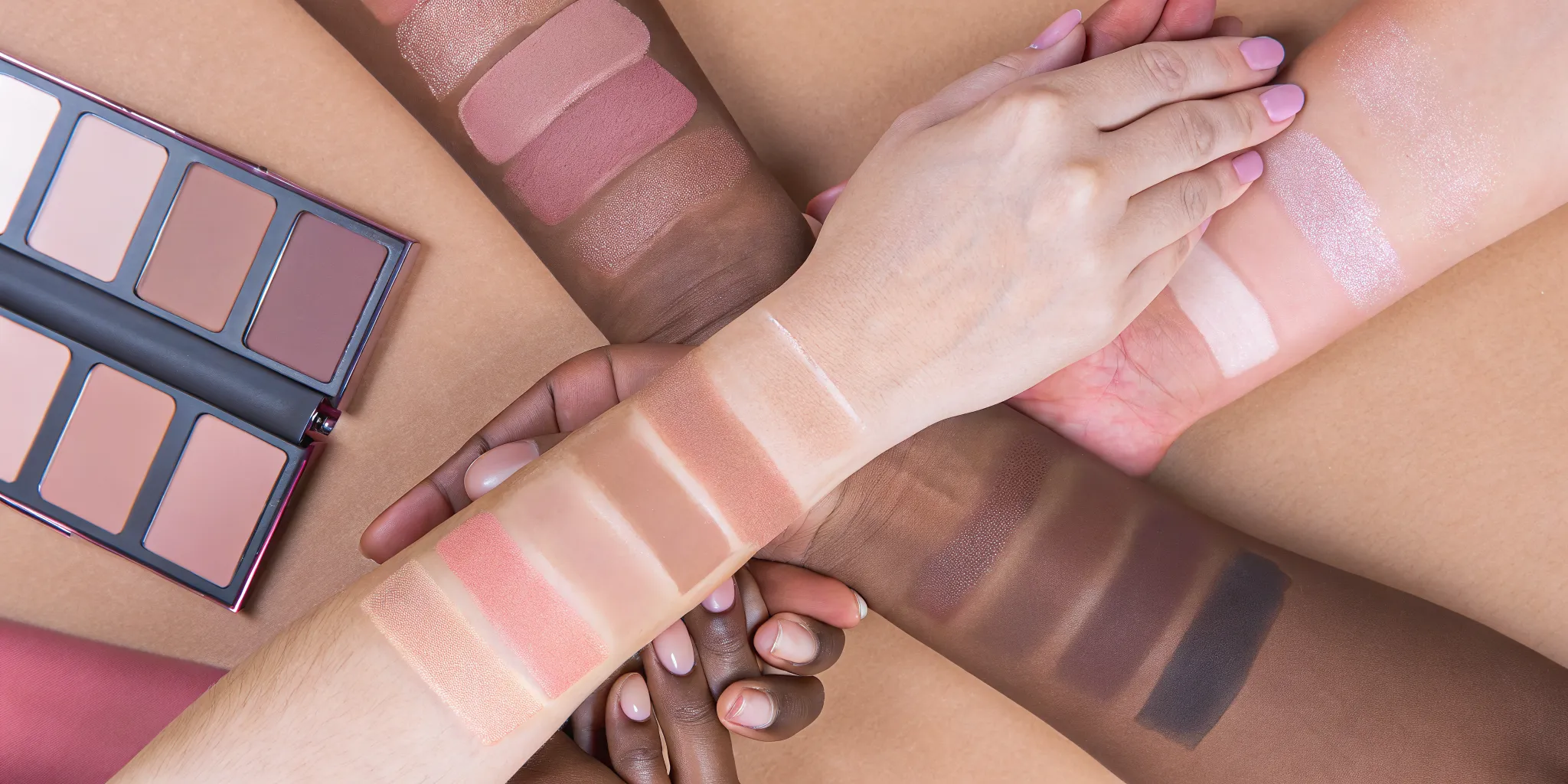
Knowing your skin's base shade is the best way to pick makeup that looks natural. While your surface skin color might change with the sun, your base shade stays the same. Finding this shade helps you buy products that blend well and make you look bright. Use this guide to learn how to find your undertone without leaving your house.
Prepare your skin and lighting
The first step is to start with a clean base. You must remove all makeup and wash your face before you begin. It is also vital to use the right light. Daylight is the best choice because it does not change how colors look on your skin. Stay away from yellow or bright office lights that can hide your true shades.
Look for a window with soft, shaded light. Direct sun can be too bright and wash out the soft hints of pink or yellow in your skin. If you are not sure what you see on your face, check your wrist or stomach. These areas often show your base shade more clearly because they get less sun than your face does.
Use the fabric and jewelry tests
You can use items you already own to see how your skin reacts to different colors. Grab a pure white cloth and a cream or off-white piece of fabric. Hold them up to your bare face one at a time. This test helps show if you have warm or cool hues. If white makes you look glowing, you might be cool. If cream looks better, you are likely warm.
The jewelry test is another quick way to find clues. Think about which metals make your skin look most alive. Many people find that gold jewelry flatters warm skin, while silver looks best on cool skin. If both look great, you may have a neutral base. This guide to learning undertones can help you see how these tests lead to better makeup choices.
- Clean your skin. Remove all makeup and dirt from your face. Wait about fifteen minutes for any redness from washing to go away so you can see your true color.
- Find good light. Stand near a window with plenty of daylight. Avoid using lamps or top lights which can make your skin look more yellow or blue than it really is.
- Look at your veins. Check the veins on the inside of your wrist. Blue or purple veins often mean cool shades, while green veins suggest a warm base. This test is just one clue and not a final answer.
- Try the white cloth test. Hold a pure white towel or shirt next to your face. If your skin looks pink or blue next to it, you are cool. If your skin looks yellow or peach, you are warm.
- Check with jewelry. Put on a gold ring or chain, then switch to a silver one. See which metal makes your skin look bright and clear. If you cannot decide, you likely have a mix of both.
Combine clues for a final check
No single test can give you a perfect answer every time. It is best to look at all your results together to see a pattern. If most tests point to warm, you likely have a warm base with hints of yellow or peach. If you see a mix of results, you might have a neutral base that works well with many colors.
If you still feel stuck, you can get expert help from home. You can book a Virtual Beauty Consultation to talk with a pro. They can look at your skin and help you find the right shades for your unique look. This helps you avoid wasting money on makeup that does not suit you.
Warm, cool, neutral, or olive: compare the clues
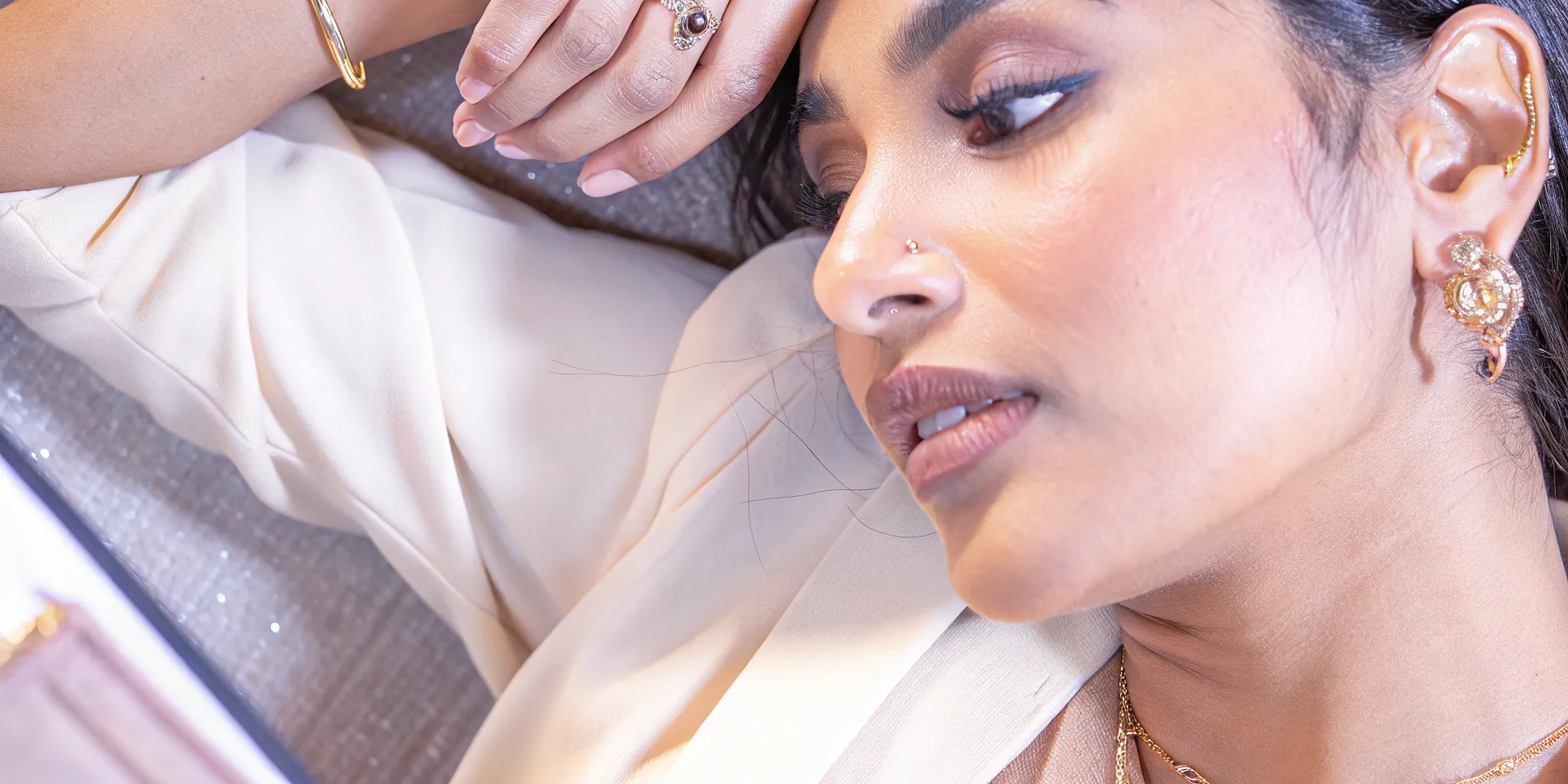
Finding your skin undertone is the first step to a great makeup look. Your skin undertone is the color that sits below the surface of your skin. While your tan may change in the sun, these base colors stay the same throughout your life. Learning how to find your undertone helps you pick shades that make your skin look bright and healthy. Most people fall into three main groups: warm, cool, or neutral. Knowing your group makes it easier to shop for new products without guessing.
Personal coloring gives clues to your best shades in both clothes and makeup. When you wear the right colors, your skin appears fresh and glowing. If you pick the wrong ones, your skin may look dull or tired. This is why many beauty experts suggest looking at your skin in natural light. Natural light shows your true colors without the yellow or blue tints from light bulbs. Taking the time to find your tone now will save you money on makeup that does not suit you later.
Finding warm and cool tones
Warm skin often has hints of yellow, peach, or red. If you have warm tones, gold jewelry likely looks best on you. You may also see that the veins on your wrist look green. This is because the blue of the veins mixes with the yellow tones in your skin. On the other hand, cool skin has hints of pink, blue, or violet. Silver jewelry often looks better on cool skin. People with cool tones usually have veins that look blue or purple. You can analyze your skin without makeup in natural light to see these colors clearly.
The jewelry test is one of the most common ways to find your tone. Gold jewelry has a yellow warmth that pairs well with warm skin. Sterling silver has a cool shine that flatters pink and blue tones. If you feel you look good in both, you might have a neutral tone. You can also try the white cloth test. Put a white cloth next to your bare face and look in the mirror. Pure white often makes cool tones stand out, while cream or off-white looks better with warm tones. Using the right colors can keep your skin from looking sallow.
| Undertone | Vein Clue | Jewelry Clue | Best Colors |
|---|---|---|---|
| Warm | Greenish | Gold | Peach and yellow |
| Cool | Bluish | Silver | Pink and blue |
| Neutral | Mix of both | Both | Most shades |
| Olive | Green or grey | Both | Earth tones |
The role of neutral and olive skin
Neutral skin is a mix of both warm and cool shades. If you have neutral tones, you can likely wear both gold and silver jewelry. Most colors will look good on you because your skin has a balance of tones. You do not have one dominant color that clashes with certain palettes. This makes shopping for makeup simple. Many neutral-toned people find that they can switch between warm and cool lipsticks depending on their mood or the season.
Olive skin is more complex than the others. It often has a green or grey tint that can be hard to spot at first. Olive skin can be either warm or cool, but it usually looks best with muted earth tones. Many people with olive skin find that they have both warm and cool traits. For example, they might have green veins but look great in silver. If your results seem to conflict, you might fall into this group. Olive skin is unique and often needs a mix of shades to look its best.
Why color harmony matters
Choosing the right colors helps you achieve a balanced look. When your makeup matches your skin, you look radiant. Nude Envie sorts products by temperature to help you find your perfect fit. This system removes the stress of picking from too many colors. By grouping items into warm, cool, and neutral, the brand helps you avoid choice fatigue. You can shop with confidence knowing that the products in your group will work together.
Color harmony is about more than just matching. It is about finding the shades that bring out your natural beauty. Using the right tone can make your eyes look brighter and your skin look clearer. If you are still unsure of your tone, you can get a Virtual Beauty Consultation to get expert help. These meetings give you personal advice from pros who know how to find the best shades for your unique skin.
Why do undertone tests give mixed results?
Finding a clear answer when you look for how to find your undertone can be hard. You might find that one test says you are warm while another says you are cool. This happens because most tests rely on things that change or are not always clear. Factors like your overtones, the light in the room, and your skin chemistry can all lead to mixed results.
The role of light and overtones
Light is often the main reason for a result that is not clear. Bright indoor light can change how skin colors look. This makes it hard to see your true base. It is best to analyze your skin in natural light to get a true view. If you test your skin under a blue bulb, you may look cooler than you really are.
Your overtones can also hide your undertones. An overtone is the color on the top of your skin. This may be redness from the sun or a tan. For example, if you have cool skin but a deep tan, you might think you are warm. Many people confuse surface pinkness with a cool base. This is true even if their real tone is warm. Using a guide to understanding undertones can help you see past these top layers.
Complex skin and olive tones
Some people have neutral undertones. These are a mix of both warm and cool shades. If you are neutral, silver and gold jewelry may both look good on you. This can make common tests feel like they do not work. Olive skin is another type of neutral. It has green or grayish hues in the face. These tones do not fit neatly into warm or cool boxes.
How to find a pattern
Do not look for one perfect test. Look for a pattern across three or four of them. If most tests point to warm, you likely have a warm base. This is true even if your veins look a bit blue. Think about how your skin reacts to the sun. Notice which colors make your face look bright. If you still feel stuck, a Virtual Beauty Consultation can give you the expert help you need.
How undertone helps you choose nude makeup
Finding your skin undertone is the best way to choose makeup that looks natural and fresh. While your skin shade may change with the seasons, your undertone stays the same. Most people fall into three groups: warm, cool, or neutral. Finding your group helps you pick shades that blend well with your skin. This creates a balanced look that shows off your beauty. A Virtual Beauty Consultation can help you find your match with ease.
Selecting your nude lipstick
Nude lipstick is not the same for everyone. If you have warm skin with peach or yellow hues, look for lip colors with a gold or coral base. People with cool skin often have pink or blue tones. They look best in mauves or soft berry nudes. If you are neutral, you can often wear both warm and cool shades. For a full look at your options, you can read our guide to understanding undertones in lip products. Choosing a shade that matches your tone keeps your lips looking healthy.
Matching blush and eye shades
Once you know your undertone, you can match your whole face for a clean finish. A warm blush like apricot or bronze adds a glow to warm skin. Cool skin types often look great in soft pink or plum blushes. Using the wrong shade can make your skin look tired or dull. You should aim for a look where your eyes, cheeks, and lips work together. If you want more help choosing the right nude shade for your skin, we have tips for you. Harmony is the key to a bright result.
Building a solid makeup look
The goal of nude makeup is to make you look like yourself. By using items with the same warmth, you avoid a look that does not match. For example, pairing a cool eye shade with a warm lip can look off. Many experts say that personal coloring gives clues to the best colors for both clothes and makeup. Staying within your group makes it easy to build a set of tools that always works. This method helps you feel sure of your choices every day.
How can you confirm your undertone with makeup?
Learning how to find your undertone is simple when you use the right tools. Makeup is one of the best ways to test your shade at home. By swatching a few colors, you can see how they react with your skin. This helps you find a look that feels clean and bright.
To start, you should look at your skin in 100% natural light. Fake light from lamps can make your skin look too yellow or too blue. Stand near a large window during the day. This gives you the best view of your real tones. You will want to test products on clean skin that has no other makeup on it.
The jawline swatch test
The best place to test color is your jawline. This spot shows how a shade blends with both your face and your neck. Choose three shades that look close to your skin tone. Swipe them in thin lines from your cheek down to your neck. Wait a few minutes for the makeup to set before you look at the results.
A shade that matches your undertone will seem to sink into your skin. If the color is still seen or looks like a mask, it is not the right fit. For example, a warm shade might look orange on cool skin. A cool shade might look grey or ashy on warm skin. You want a color that blends in and looks like part of you.
Signs of a good match
When you have a match, your skin will look healthy and smooth. Cool tones often look best in pink or berry shades. Warm tones glow when they wear peach or gold colors. Neutral tones can often wear both. But they look best in shades that are not too bright in either way.
You can also use lip color to check your work. A nude lip shade that matches your undertone will make your face look fresh. If the color makes your teeth look yellow or your skin look dull, the tone is likely wrong. Our Virtual Beauty Consultation can help if you are still not sure which way to go.
Lip and cheek checks
Testing on your lips is a quick way to see your true tone. Your lips have a natural tint that reacts to different pigments. If a cool-toned pink makes you look washed out, you may have warm skin. If a peach tint looks too harsh, you likely have cool skin. Finding these patterns helps you build a kit that works every day.
Keep your swatches small and thin. This makes it easy to compare many shades at once. Once you find the group that blends well, you can shop with more trust. Using this method saves time and helps you get the luxury look you want. It turns a guess into a plan for your best beauty routine.
Still unsure? Book a one-on-one virtual beauty consultation for personalized shade guidance.
Frequently Asked Questions
Does my skin reaction to the sun indicate my undertone?
Yes, how your skin reacts to the sun can give you a clear clue. People with cool undertones tend to burn easily or turn pink under the sun. If you have warm undertones, you likely tan easily and rarely burn. According to New Mexico State University, your undertones remain the same even if you get a tan. This means your core skin temperature does not change with the seasons.
What is an olive undertone?
An olive undertone is a certain type of neutral skin tone. It often features a mix of both warm and cool shades with a unique green or gray tint. This can make it hard to find a good match in most makeup lines. According to the Ogle School, neutral skin has a mix of features. Finding this tone helps you pick colors that do not look too orange or too pink.
Can I use AI tools to find my undertone?
Some brands use AI tools, but a human eye is often better for a high-end match. Nude Envie offers a Virtual Beauty Consultation with founder Isabel Madison. This service helps you find your exact shade without the guess work of a computer scan. A real person can see how light hits your skin and suggest the best nude shades for your unique look.
How do I find my undertone if my face has redness?
If you have redness or acne on your face, it can be hard to see your true undertone. You should look at the skin on the inside of your wrist or even your stomach instead. These areas usually have less sun damage and less skin stress. Experts at state schools suggest that checking these clear spots provides a more correct view of your natural skin temperature and tone.
Ready to find the perfect shades for your skin?
Using the wrong makeup colors often makes your skin look very dull and can lead to a waste of both time and money. If you do not find your true match now, you will keep buying products that do not work for your unique beauty. Learning your undertone today will stop this cycle of trial and error and help you look your very best every day.
Ready to book? Book your virtual beauty consultation to get expert help from our team today. We will find the shades that were made just for your skin tone and help you build a beauty routine that you can trust to work.