Eyeshadow for Green Eyes: Soft Shades That Bring Out Green
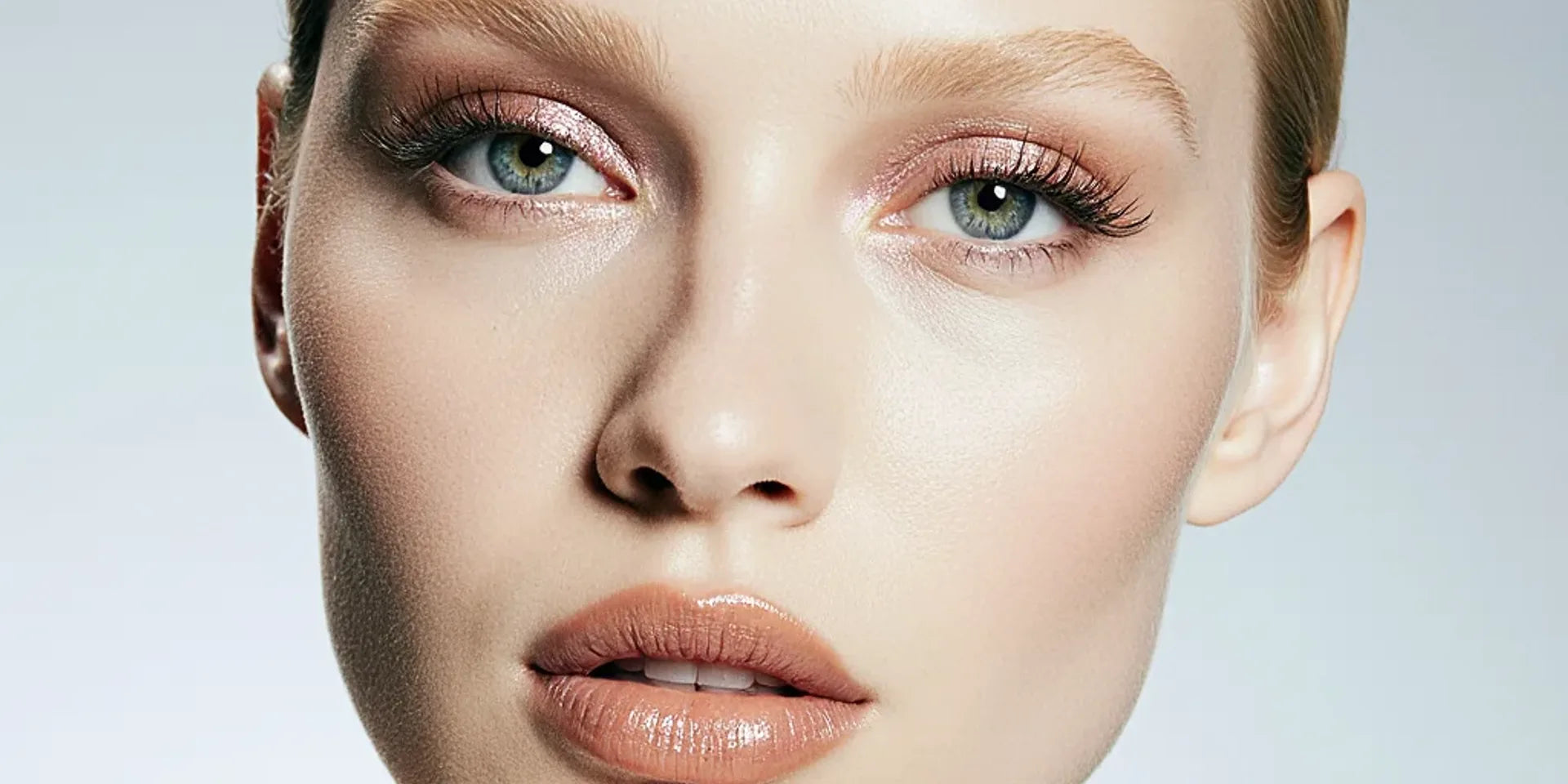
The first time I swapped a flat taupe wash for a soft plum along the lash line. The green in my eyes looked brighter before I had even finished mascara. That is the useful trick with green eyes: you do not need a dramatic smoky look. A little contrast, a warm neutral, or a softly reflective pink can bring out the color while keeping the finish polished and wearable.
The best eyeshadow for green eyes usually sits in the soft contrast zone: muted plum, rose. Warm brown, peach, bronze, or a lighter green that complements rather than disappears into the iris. Choose the shade by the mood you want, then adjust its depth and finish for your skin tone and the light you will be wearing it in.
Once you see how color temperature changes the effect, choosing between a barely-there daytime wash and a more defined evening look becomes much easier. It starts with the simple color relationship that makes some shades make green look instantly more vivid.
Why Certain Shades Make Green Eyes Pop
Green eyes already have a little visual intrigue built in. They are considered the rarest eye color globally, and the iris can shift between moss, olive, hazel, and clear jade depending on the light. The right eyeshadow does not compete with that variation. It gives one part of the green something to reflect against.
The simplest explanation comes from the color wheel. Purple sits opposite green, so violet, aubergine, and plum create the strongest contrast. That is why a plum crease can make the green in the iris glow almost immediately. I especially like a softly diffused plum at the outer corner, blended until there is no hard edge. In daylight it looks polished; under evening light, the green appears brighter and more dimensional. Purple, violet, and plum are widely recommended as complementary shades for intensifying green eyes (Avenue Five's color guidance).
You do not have to choose the most dramatic version of a complementary color. A useful color-wheel rule is to begin with the shade directly opposite your eye color, then move one or two colors in either direction. For green eyes, that opens the door to dusty mauve, berry, rose, pink-plum, and warm reddish brown. These neighboring tones give you the same contrast with a softer, more wearable finish (e.l.f.'s eye-color guide).
For an everyday look, lower the contrast
On days when plum feels too deliberate, muted shades keep the eye color present without turning the makeup into the whole conversation. Soft browns add definition, while olive green echoes the iris in a more tonal way. Peach brings gentle warmth to the lid, and a quiet gray can make the green look cooler and clearer. These are the shades I reach for when I want the eyes to look rested rather than obviously made up. Muted browns, olive greens, peaches, and grays are all practical choices for an understated green-eye look.
There is also a refined monochromatic option: choose a green that is lighter or brighter than the iris instead of trying to match it exactly. A pale sage or luminous moss can highlight the green without disappearing into it. The distinction matters. When the shadow is identical to the iris, the eye can look flatter; when it is lighter and more luminous, the color reads as intentional.
The Best Eyeshadow Shades for Green Eyes
When I want green eyes to look clearer and more dimensional, I do not start with another flat green. I reach for contrast first, then soften the edges so the result still feels elegant. The best shades for green eyes tend to sit in four families: plums and mauves. Warm browns and bronzes, rose golds and soft pinks, and greens that are noticeably lighter than the iris.
Plums, purples, and mauves
Plum is the shade I keep in mind when I want the green to look especially vivid. A smoky aubergine along the lash line gives definition without the hardness of black, while a muted mauve through the crease creates a softer daytime version. Violet and purple sit opposite green on the color wheel, so even a sheer wash can make the iris appear more luminous. The key is choosing a wearable finish: a satin plum looks polished, whereas an overly blue purple can make the whole eye feel cold.
Warm browns and bronzes
For everyday makeup, warm brown is almost impossible to beat. Think caramel, chestnut, cinnamon, and bronze rather than gray taupe. These shades frame green eyes beautifully and add warmth without competing with them. I like a matte brown in the crease paired with a softly reflective bronze on the lid. Pat the bronze on with a fingertip rather than sweeping it on with a fluffy brush. That keeps the pigment concentrated at the center of the lid, where it catches light when you blink, without turning the look glittery.
Rose golds and soft pinks
Rose gold is a particularly flattering middle ground between pink and bronze. It brings a little warmth to the eye while retaining a refined, rosy glow. Soft blush pink, dusty rose, and peachy pink are lovely when you want something fresh and feminine. I reach for these shades on days when a heavy smoky eye feels too deliberate. A thin brown liner and curled lashes are enough to make the color look finished.
Lighter greens for a tonal look
Green-on-green can work, but the shadow should be lighter or brighter than your iris so it adds dimension instead of blending into it. Soft sage, pistachio, and pale olive are good places to start. Nude Envie's Eye Shadow Dreamy gives a soft nude base that lets a lighter green accent look intentional, while Eye Shadow Divine is an easy option when you want more presence on the lid. For a warmer, more understated look, pair either with Dreamy eyeshadow in the crease and keep the lower lash line lightly defined.
| Shade Family | Best For | Finish I Prefer | Watch Out For |
|---|---|---|---|
| Plum, purple, mauve. | Making the green look most vivid. | Satin or soft matte. | Very blue purples can turn the eye cold. |
| Warm brown, bronze. | Everyday definition and warmth. | Matte crease with satin lid. | Gray taupe that drains the color. |
| Rose gold, soft pink. | A fresh, brightened daytime look. | Sheer, finely milled shimmer. | Chunky glitter on textured lids. |
| Lighter greens. | A tonal, monochromatic look. | Luminous wash. | Matching the iris exactly washes it out. |
When in doubt, use the table above to weigh each family. Start with the contrast you want for the occasion, then pick the finish that suits your skin and your day.
My personal rule is to choose one hero color and let the rest support it. A mauve lid with warm brown in the crease, or rose gold tapped over a soft nude, usually wears better than layering every flattering shade at once.
How to Choose Eyeshadow for Green Eyes by Skin Tone
Skin tone changes how a shade reads, but it does not put you in a narrow color box. I usually start with the depth of the shadow, then adjust its undertone and finish. The right pairing should make the green look clearer, not compete with it.
Fair skin
Soft pink, rose gold, and taupe are especially easy wins on fair skin. A cool taupe in a matte finish gives the crease gentle definition without looking hard. For the lid, I reach for a sheer rose-gold shimmer when I want the green to look brighter in daylight. Keep the shimmer finely milled and concentrated at the center of the lid; chunky sparkle can overwhelm a pale complexion. A satin pink-brown is a lovely in-between option for an office or daytime look because it adds warmth without turning coppery.
If you have been wondering which shade works best for green eyes and fair skin. Start with a muted pink or soft rose gold rather than a very dark purple. The contrast is still visible, but the overall effect stays light and polished.
Medium skin
Medium skin can carry more warmth and depth, so warm mauves, rose browns, and bronzes become wonderfully flexible. A matte rose brown through the crease gives definition, while a bronze satin on the lid brings out golden flecks that often appear in green irises. I prefer a true satin here over a high-shine metallic: it catches light when you blink but does not make the eye look too made up. For a softer nude look, blend the edges with a warm mauve instead of a stark beige.
Deeper skin
Deeper skin looks striking with rich plum, berry, bronze, and warm brown. Plum is my first choice for an evening eye because its purple undertone creates clear contrast with green. While a berry satin keeps the result dimensional rather than flat. Use a warm brown matte as the transition shade, then press bronze or plum onto the lid for pigment that remains visible. A luminous finish is beautiful on the inner corner, but keep the crease matte so the shape stays defined.
For more ways to compare undertones and finishes, browse Nude Envie's curated eyeshadow collection and choose the depth that feels natural on your skin.
Eyeshadow for Green Eyes Over 50: Soft, Luminous Looks
After 50, I am less interested in making an eye look louder and more interested in making it look awake. The right eyeshadow can bring gentle light to the lid, clarify the lash line, and let green eyes remain the feature rather than burying them under pigment.
Choose light-reflective texture, not chunky sparkle
Start with a satin or softly luminous shade across the lid. Satin gives the eye a polished reflection without the hard, glittery points that can settle into fine lines. A refined matte also has a place here, especially in a crease shade that adds shape without looking drawn on. I like a muted taupe, soft brown, or gentle rose tone blended above the natural crease, then a lighter neutral tapped at the center of the lid.
There is a useful reason to think about luminosity as we age. Research on facial contrast suggests that cosmetics can enhance the luminance contrast around the eyes, a quality that naturally declines with age. Makeup can create that contrast by gently deepening the eye area while keeping the surrounding skin visually light. The research on cosmetics and facial contrast supports a subtle approach: definition and light, rather than a dense block of color.
Blend the crease and soften the lash line
Use a fluffy brush to diffuse the crease shade well beyond its first application. The edges should look hazy, not absent, and the deepest color should sit close to the lashes. Instead of a thick black line, try a soft brown or deep plum pencil pressed between the lashes and lightly smudged. It gives green eyes structure while keeping the finish elegant.
Heavy glitter is usually the first thing I leave out. It can emphasize texture and migrate during the day, while a fine satin catches light more gracefully. Nude Envie's clean, sophisticated formulas suit this kind of edited routine, whether you prefer a barely-there wash or a more defined evening look. If you want help choosing finishes and tones, a virtual beauty consultation can make the process feel wonderfully personal.
Common Eyeshadow Mistakes for Green Eyes, and How to Fix Them
Green eyes already have plenty of dimension, so the most flattering application is usually about creating contrast rather than piling on more color. These are the mistakes I see most often, and the small adjustments that make a real difference.
Mistake 1: Choosing a green too close to your iris
A shadow that nearly matches your eye color can blur the distinction between the lid and the iris. Instead of making green look richer, it may wash out its natural vibrancy. If you love a monochromatic look, choose a green that is clearly lighter or brighter than your eyes. A pale sage, luminous mint, or soft celadon gives the look a deliberate contrast. Keep the matching depth away from the entire lid, and use it sparingly as a lower-lash accent if you want more intensity.
Mistake 2: Letting one heavy shade do all the work
One deeply saturated plum, brown, or bronze can look striking in the pan but flat and overwhelming when applied from lash line to crease. The fix is simple: use the strongest shade close to the lashes, then soften its edges with a lighter neutral. I prefer a sheer wash on the lid, a medium shade through the outer corner, and a small amount of depth at the lash line. You keep the drama without losing the brightness that makes green eyes interesting.
Mistake 3: Skipping the base and blending
Without a smooth base, pigment can catch on dry patches, crease unevenly, or lose its finish before the day is over. Apply a thin layer of eye primer or concealer, let it settle, then press on the first layer of shadow rather than sweeping on a thick coat. Blend the edges with a clean, soft brush. The goal is not to erase every trace of color, but to make each shade fade into the next.
Mistake 4: Creating muddy transitions
Mixing too many undertones in one look, especially cool gray with orange-brown or several competing greens, can turn a thoughtful palette murky. Choose one temperature for the transition shade and build from there. A muted taupe, warm cocoa, or soft peach usually gives the eye a clean frame. If you are unsure which combination suits your coloring, a virtual beauty consultation can help you choose shades and placement for your particular eye color, skin tone, and preferred finish.
When I correct a look that has gone flat, I work through a short sequence.
- Start with a clean, primed lid so the new shade sits smoothly.
- Press the softest contrast shade close to the lashes, keeping the center of the lid light.
- Blend the edges with a fluffy brush until each color fades into the next.
- Check the final look in natural light and deepen only the outer corner if you want more definition.
The point is to keep one clear change at a time. Green eyes respond best when the shadow frames them instead of fighting them for attention.
Frequently Asked Questions
What eyeshadow colors make green eyes pop?
Start with plum, violet, or a warm brown if you want clear contrast, then soften the look with rose gold, peach, or muted taupe. Purple sits opposite green on the color wheel, which is why even a sheer plum wash can make the iris look brighter. I prefer a translucent version for daytime and a deeper plum pressed into the lash line at night. See the color-theory guidance for the complementary-shade principle.
What eyeshadow is best for green eyes over 50?
Choose softly blended mattes or satin finishes in warm brown, taupe, rose, or plum, rather than dense glitter. A satin at the inner corner can bring light to the eyes, while a matte crease shade gives definition without making the texture the focus. Keep the pigment buildable so you can stop at the point where the green still looks open and luminous.
What eyeshadow colors can wash out green eyes?
Shades that closely match the iris can disappear into it, especially when the color is flat or overly saturated. If you love green, choose one that is lighter or brighter than your natural eye color so it highlights rather than blends away. Otherwise, add contrast with a soft plum, peach, or warm brown instead of abandoning green altogether.
Is natural eyeshadow a good choice for green eyes?
Absolutely. Natural makeup works beautifully when the neutral has the right temperature: warm browns and peaches bring gentle richness, while taupe and cool rose create a quieter contrast. For the most effortless result, use a matte nude through the crease, a softly reflective rose gold on the lid, and a little brown along the lashes.
Are matte eyeshadows good for green eyes?
Yes. Matte eyeshadow is excellent for shaping the crease and adding softly defined depth, particularly for an everyday look. Pair it with one satin or softly luminous shade if you want more light on the lid. The finish matters less than the undertone, so use Nude Envie's warm, cool. Or neutral color system to choose a shade that supports your skin and makes the green feel intentional.
Ready to Find Your Green-Eye Shade?
The right soft contrast can make green eyes look clearer and more vivid without turning the look dramatic. Start with coordinated nude tones, then choose the finish and depth that feel most like you. Shop the curated eyeshadow collection to explore your options, or use the virtual beauty consultation linked throughout the site if you would like a more personal recommendation.