Best Blush for Olive Skin: Warm, Rosy & Neutral Shades
Olive skin can make a blush look perfect in the pan and oddly flat on the cheek. I have found that the most flattering pinks are rarely the iciest ones. A cream shade with warmth, a touch of peach, or a muted rosy finish tends to bring the complexion forward without fighting its green undertone.
The best blush for olive skin usually sits in a warm peach, coral, muted rose, or bronzy family. Orangey-peach shades can look especially natural, while bronze can enhance the complexion's natural tan. Cream formulas also melt into the skin for a softer, more seamless flush.
That small shift in color direction makes Nude Envie's coordinated nude-color philosophy especially useful: the goal is not to cover olive skin. But to choose a shade that works with its complexity. First, it helps to understand why that complexity can make blush selection so surprisingly sensitive.
Shop the cream blush collection to find warm, rosy, and neutral shades made for olive skin.
What Makes Olive Skin Different (and Why Blush Is Tricky)
Olive skin can look golden in one mirror and softly green in another. That shift is not your imagination. The surface tone may be light, medium, or deep, while the undertone carries a muted green or neutral-green cast that stays visible throughout the year. It is often mistaken for straightforward yellow, which explains why a blush that looks warm in the pan can turn oddly flat or too orange on the cheek.
The green undertone, explained
Olive skin sits between familiar undertone categories. There can be warmth underneath, but it is softened by that green cast. Warm undertones commonly show yellow, golden, or peach notes, tan easily, and often look especially harmonious with gold jewelry. Those are useful clues, but they do not tell the whole story for olive complexions.
In practice, the green component mutes color. Blush needs enough warmth and clarity to bring life back to the face without sitting on top of the skin like a separate stripe. Very cool pinks and purple-leaning shades can be especially unforgiving. On a muted olive base, they may create a gray cast instead of a fresh flush, as noted in this olive skin color guide.
That is why I judge blush in daylight, after it has settled into the skin. A shade can look refined under a warm bathroom bulb, then appear ashy beside a window. The right color should make the complexion look clearer, not simply more colorful.
How to confirm an olive undertone
Start with several clues rather than relying on a single wrist test. Notice whether your skin can look yellow beside a pink foundation, then green beside a strongly yellow one. Check how gold and silver jewelry read against your face. Consider whether you tan easily, as warm undertones often do, but remember that surface redness or a tan can disguise the underlying tone.
You can also compare neutral, warm, and cool base products along the jawline in indirect daylight. The closest match should disappear rather than turn peach, pink, or distinctly yellow. If you are still unsure, use this guide to identify your skin undertone before choosing blush. Once the undertone is clear, selecting a flattering flush becomes far less mysterious.
Warm, Rosy, and Neutral Shades: How to Choose Blush for Olive Skin
Olive skin can make blush shopping feel oddly unpredictable. A shade that looks softly pink in the pan may turn gray on the cheek, while a warmer color can look polished and surprisingly natural. I usually start by looking for warmth, then adjust the depth and finish to suit the season, clothing, and the rest of the makeup.
There is useful guidance behind that instinct: warmer blush shades complement the warmth already present in olive complexions, and orangey-peach is described as an ideal natural-looking direction. The undertone guidance here also recommends bronzy tones for enhancing olive skin's natural tan.
Compare the shade family, not just the color name
Names such as rose, nude, and coral vary dramatically between brands. Swatch near the cheek rather than only on the wrist, and check the result in daylight. For a flexible place to begin, browse Nude Envie's cream blushes, then compare how each family supports your natural coloring.
| Shade family | Why it works | Real-purchase tradeoff |
|---|---|---|
| Warm peach | Brightens the complexion and gives a clean, natural flush. | Between peach and a cool baby pink, I'd grab peach for everyday wear. It is less likely to make olive skin look flat. |
| Coral or apricot | Adds lively warmth, especially when the skin has a golden summer tone. | I'd choose apricot for a fresh daytime look, but use a light hand. Strong coral can compete with bold lipstick. |
| Terracotta | Brings a softly earthy, sun-warmed quality to medium and deeper olive complexions. | Between terracotta and orange, I'd pick terracotta when I want definition without an obviously bright cheek. |
| Muted rose | Balances warmth with a refined pink tone and can look especially elegant in cooler light. | I'd reach for muted rose when wearing neutrals. Avoid shades that pull strongly purple, which can leave the base looking gray. |
| Bronzy or bronze | Enhances the natural tan in olive skin and creates a softly sculpted flush. | Between bronze and coral, I'd grab bronze for vacation makeup or a minimal look. It may need a brighter pink layer for contrast. |
When pink is the better choice
Warmth does not mean every olive complexion needs orange. Muted rose and terracotta are also flattering options, while overly pink or purple formulas may create a gray cast on the base. The best shade should look like color rising through the skin, not sitting on top of it. Start sheer, let the formula settle for a few minutes, and build only where the cheek still needs dimension.
Cream vs. Powder Blush for Olive Skin
When I want blush to look like it belongs on the skin rather than sitting on top of it, I reach for cream first. A cream formula has a little give as you tap it across the cheek. It melts into the base, softens at the edges, and leaves the complexion looking alive instead of powdered over.
That seamless quality matters on olive skin. Cream and translucent-stain formulas can blend into the complexion with a more natural finish. While a chalky powder may leave a flat, gray cast against green or golden undertones. The same shade can look fresh in the pan, then oddly ashy once it meets the skin. A skin-melting texture keeps the color sheer enough to adjust and layer.
For dry or combination skin, cream is usually the easier wear. It moves with the complexion instead of catching on dry patches. And you can build it from a quiet veil of color to a more noticeable flush without creating a hard edge. I tap a small amount onto the high point of the cheek, then blend outward with fingertips or a damp sponge. The finish stays softly dimensional in daylight, while warmer indoor light brings out its glow. In flash photography, use a lighter hand so the pigment does not read heavier than it feels in person.
There is still a good reason to keep powder in your makeup bag. If your T-zone becomes shiny by midday, a finely milled powder can add a little structure and help the surrounding makeup feel more secure. Powder also makes sense for an all-day event when you want a finish that resists movement through heat, commuting, or several hours of photographs. I prefer applying it over a lightly set base, using a small brush and pressing off excess before it reaches the cheek.
The best choice is not a permanent cream-versus-powder rule. Think about the finish you want and where your skin needs support. For a fresh, skinlike flush, browse the blush collection for a formula you can sheer out, layer gradually, and wear as your own color.
The Best Olive-Skin Blush Shades at Nude Envie: Romance and Greatness
When I want a pink cheek that still looks at home against olive skin, I reach for cream formulas rather than chalky, powdery pinks. Romance and Greatness are both vibrant, pink-toned shades, but they create noticeably different finishes. One gives the complexion a pearly lift; the other looks like a lively flush that has naturally risen through the skin.
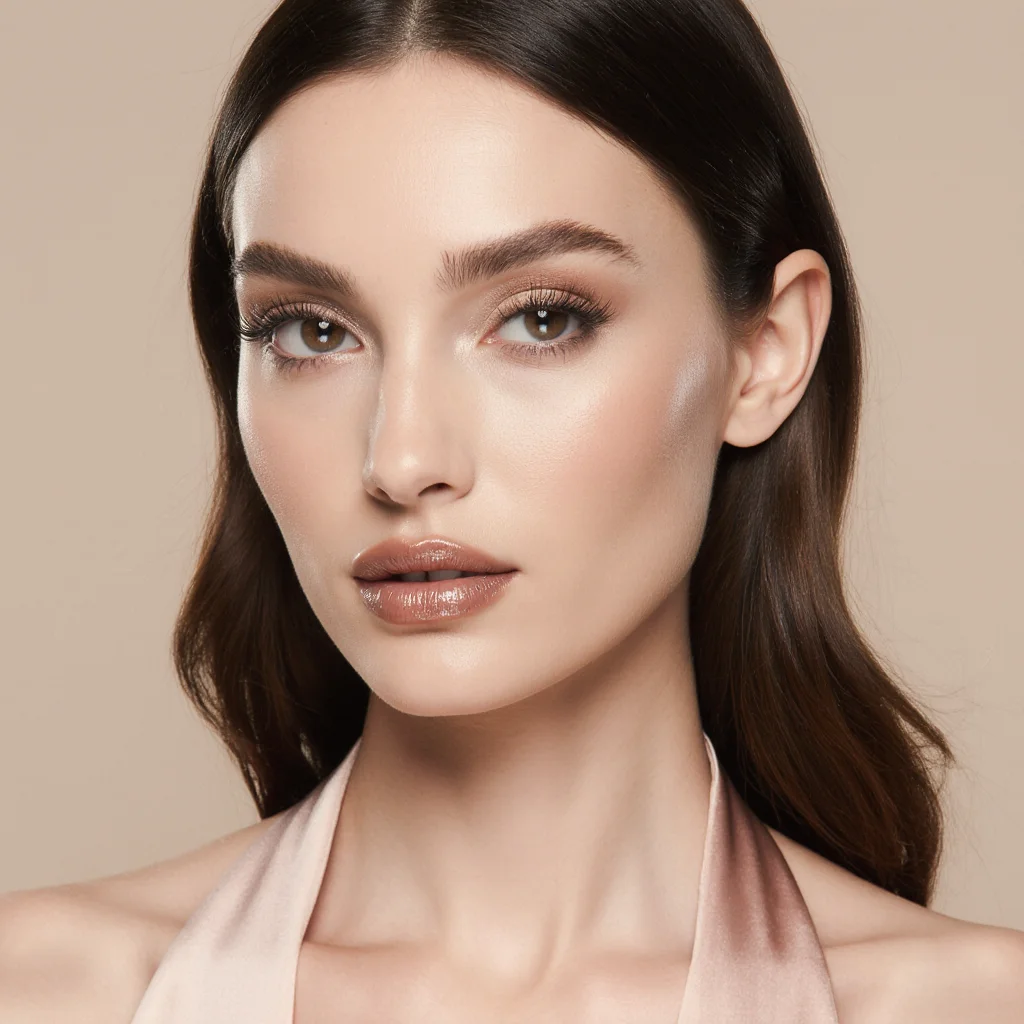
On the cheek: Romance
Romance cream blush is the one I keep close when my complexion looks tired. It is a luminous, vibrant rosy cream with a fresh, youthful flush and a soft pearly glow. The texture feels cushiony under the fingertips, then melts into the cheek without leaving a hard edge.
On bare skin, I tap a small amount over the high point of the cheek and blend toward the temples. The pigment is lively, so starting with less gives a more polished result. In daylight, the finish reads rosy and fresh. Under warmer evening light, the pearl catches subtly instead of turning glittery. It is especially useful with a neutral nude lip when you want the face to look awake without looking heavily made up.
On the cheek: Greatness
Greatness cream blush is my pick for a more effortless, just-pinched effect. It leaves a natural, lively flush of pink, while its creamy texture melts onto the cheeks. I like pressing it in with the pads of my fingers, then softening the perimeter with a clean brush.
Greatness has a slightly more skin-like impression than Romance. It looks fresh close up, but does not compete with a softly bronzed eye or a glossy lip. The finish stays comfortable as the day goes on, and the color remains present without looking stuck on. If you prefer a blush that can move from a morning coffee to dinner with only a quick fingertip touch-up, this is the shade I would choose first.
Why the formula matters
Both shades use a long-lasting cream formula with hyaluronic acid, and they are vegan, cruelty-free, paraben-free, and silicone-free. That combination matters when you want color that feels flexible rather than dry or stiff. Cream also gives olive skin a more seamless finish, helping the pink look integrated instead of sitting as a flat stripe above the complexion.
For more ways to wear the color, browse the best sellers or compare these shades with the brand's glowing pink blushes. Still deciding between a luminous rosy cheek and a softer lively flush? You can book a 1-on-1 virtual beauty consultation for shade guidance tailored to your undertone and preferred finish.
How to Apply Cream Blush on Olive Skin
Olive skin can make a pink flush look fresh or slightly muddy, depending on placement and how much product lands near the center of the face. I prefer a thin, luminous layer first, then build only where the cheek catches light. This keeps the finish skin-like instead of turning the color flat.
- Start with moisturized skin. Apply your skincare and let it settle before reaching for blush. A cream formula with hyaluronic acid gives the cheeks a smoother, more flexible base, so pigment does not catch on dry patches. Keep the richest moisturizer away from the exact apples if your skin becomes shiny there.
- Place the first touch high on the cheek. Smile softly and tap the smallest amount onto the outer half of the apple, then move upward toward the cheekbone. Avoid dragging a strong stripe across the nose or placing saturated color directly beside the nostrils. That lower placement can make olive skin read gray or muddy, especially under indoor lighting.
- Blend outward, not downward. Use warm fingertips to press and tap the edges, or work with a damp sponge for an especially seamless finish. Cream and translucent-stain textures are useful here because they can melt into the skin rather than sitting as a distinct powder patch. You can also soften the color before it dries.
- Build in thin layers. Wait a few seconds, check the color in natural light, and add another veil only to the center of the flush. For a pink look on olive skin, I would rather build two sheer taps than start with one heavy swipe. The Romance cream blush is a good shade to apply this way when you want a vibrant rosy finish without losing the skin underneath.
- Set the areas that need it. Leave the high points softly luminous, then press a very small amount of translucent powder around the lower edge or beside the nose. Do not blanket the entire cheek, or you may mute the fresh cream finish. If you need extra wear, mist from a distance after the blush has settled and avoid rubbing the face afterward.
My final check is always sideways in daylight. If the color disappears into a natural pink veil at the cheekbone, the placement is working. If it looks brown, move the next layer higher and use less product near the nose.
Blush Shades to Skip on Olive Skin
I have learned to be cautious with blushes that look charming in the pan but turn strangely flat once they meet an olive complexion. The usual offenders are chalky cool pinks, blue-based baby pinks, and very pale lavender shades. They can sit on top of the skin instead of melting into it, leaving the cheeks looking powdery rather than naturally flushed.
The issue is not that olive skin cannot wear pink. It is the relationship between the pink pigment and the green or neutral-green cast beneath the surface. A cool, opaque pink can fight that undertone, while a formula with too much white pigment may drain warmth from the face. In daylight, the result can read gray or slightly ashy, especially when the blush is layered heavily.
I am equally careful with highly saturated purple and neon brights. A vivid violet or electric fuchsia may photograph with impact, but on a muted olive base it can look disconnected from the rest of the complexion. Instead of creating a believable flush, it draws a hard stripe across the cheek. Overly pink or purple blushes can create a gray cast on olive skin, while muted rose and terracotta tend to harmonize more naturally.
My safer swaps are warm mauve-brown, soft terracotta, muted rose, and restrained orangey-peach. These shades still give you color, but their earthy depth makes the finish feel intentional rather than icy. Warm mauve-brown is especially useful when you want a sculpted, understated cheek. Terracotta brings life to medium and deeper olive complexions, while muted rose gives fair olive skin a fresh flush without turning bubblegum pink.
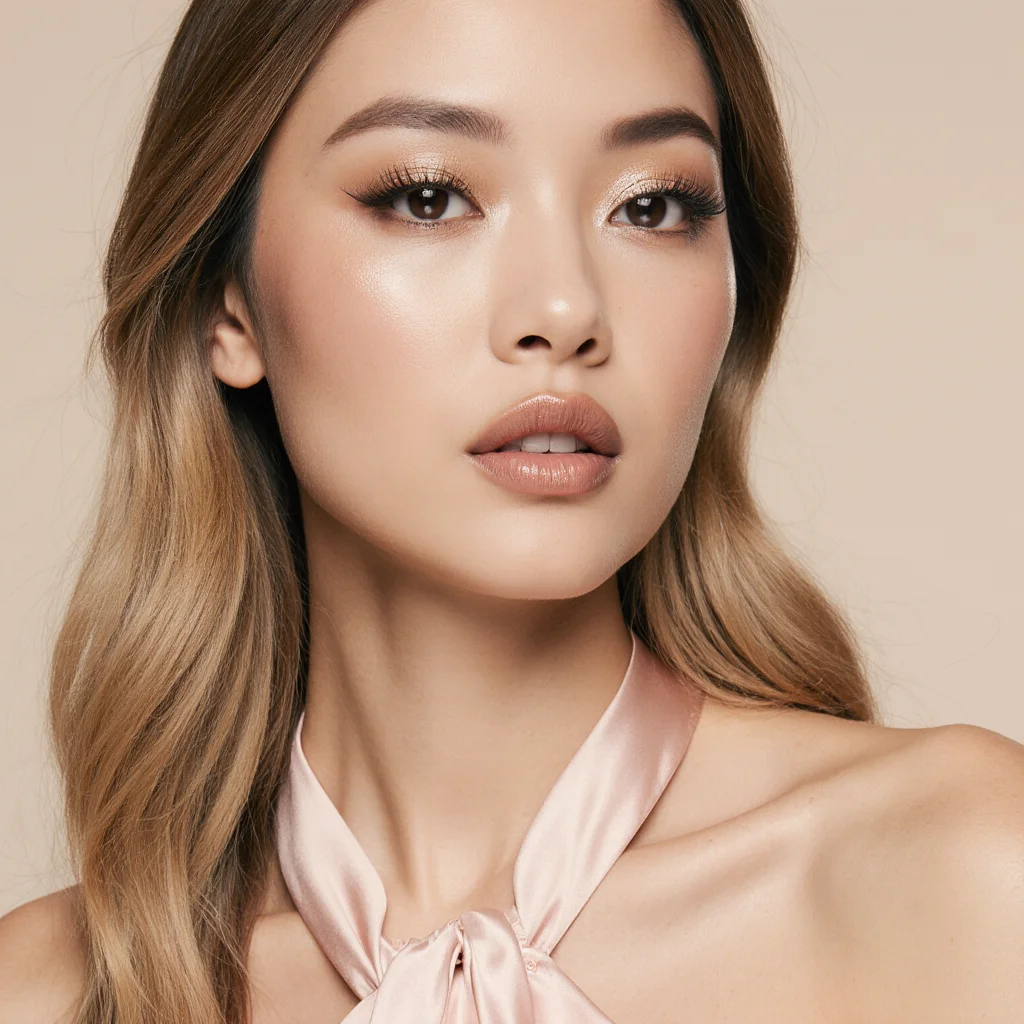
When I am building a coordinated look, I use the same principle for the lips. A softly balanced nude lipstick for olive skin can make a warm blush feel integrated from cheek to mouth. Start with a sheer layer, check it in natural light, and add pigment only if the shade still looks like skin at its healthiest.
Book a 1-on-1 virtual beauty consultation to match blush shades to your exact olive undertone.
Frequently Asked Questions
What color blush goes best with olive skin?
Warm peach, coral, apricot, terracotta, and muted rose shades usually sit most naturally against olive undertones. I especially like a rosy peach for daytime because it adds life without making the skin look sallow. If your complexion leans more green than golden, choose a softened rose or terracotta rather than a very blue-based pink.
Does terracotta blush look good on olive skin?
Yes. Terracotta can bring out the warmth in olive skin while still looking polished and believable. Choose a sheer or buildable cream formula, then tap it onto the high points of your cheeks. A lighter layer gives a sun-warmed flush, while an extra touch near the cheekbone creates more definition without looking muddy.
Which blush colors can make olive skin look dull?
Very cool, chalky pinks and strongly purple formulas can fight the green cast in olive skin and leave the complexion looking gray. That does not mean every pink is wrong. Look for pinks with warmth, such as vibrant rosy shades, muted rose, or pink blended with peach or terracotta.
Is cream or powder blush better for olive skin?
Cream blush is often the easiest starting point because a translucent stain can blend seamlessly into the skin for a natural finish. Apply a small amount and build slowly, especially with vibrant pigment. Powder can work well over a set base, but a dry, opaque formula may look more noticeable than a softly melting cream.
Ready to Find Your Most Flattering Blush?
Olive skin can shift beautifully between green, golden, and neutral tones, so the right cream blush often comes down to the finish and shade balance you prefer. For a more personal recommendation, book a 1-on-1 virtual beauty consultation with Nude Envie. You can talk through the blush tones that feel most natural with your complexion and build a coordinated nude-color look you will reach for often.